
Engineering the Silent Laborer: DC Drives in Automated Sanitation
The shift towards “Smart Farming” in the dairy industry has transformed the humble manure scraper from a tractor-pulled implement into an intelligent, autonomous robot. At the heart of this transformation lies the DC gear motor—a specialized form of agricultural gearbox integrated with electric traction. Unlike traditional machinery that relies on the brute force of a diesel engine and a heavy-duty agricultural pto gearbox, the manure scraping robot operates in silence, navigating the delicate environment of a livestock barn 24/7. The engineering challenge here is deceptive; while the speed is low, the torque requirements are punishing, and the operating environment is chemically aggressive.
In a typical free-stall barn, the robot must push a slurry load that varies significantly in viscosity and weight depending on the bedding material (sand, sawdust, or straw) and moisture content. The drive system must deliver consistent traction without wheel slip, necessitating a gearbox with a high reduction ratio and exceptional low-speed torque characteristics. Furthermore, the presence of ammonia gas and liquid slurry demands a sealing standard far exceeding typical industrial norms. A standard industrial motor will corrode within weeks in a dairy barn. Our solution involves a fully encapsulated DC motor mated to a sealed planetary or worm gearbox, specifically treated with epoxy coatings and Viton seals to withstand the caustic reality of farm hygiene. This reliability is crucial for Korean farmers who are increasingly adopting ICT-based convergence technology to combat labor shortages in rural provinces like Jeollabuk-do and Gyeongsangbuk-do.
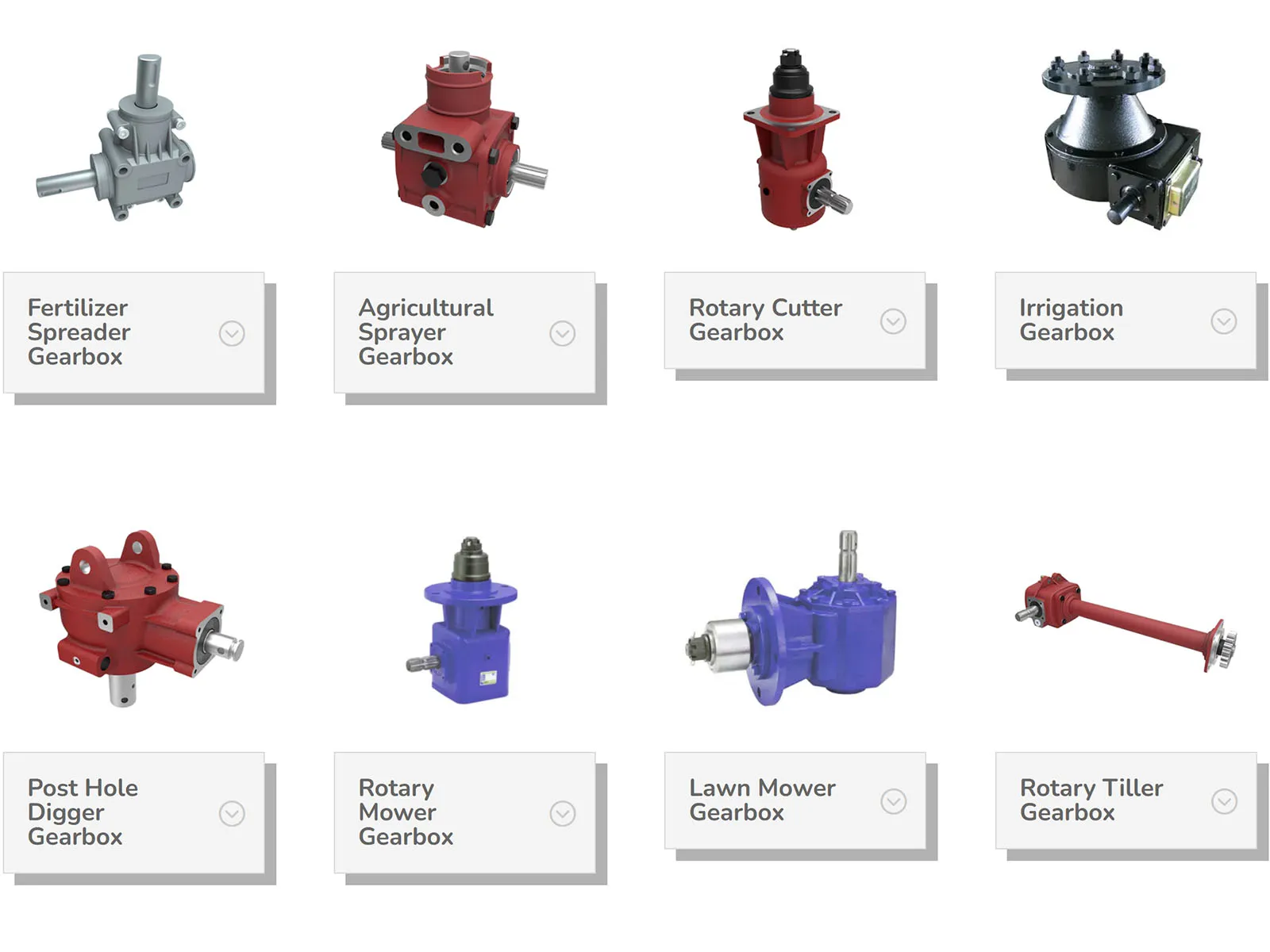
Figure 1: Robust internal gearing designed for high-torque low-speed applications.
Technical Specifications: EP-Bot Series Drive Units
The EP-Bot Series is designed specifically for the skid-steer or differential drive chassis common in manure scraping robots. Unlike a high-speed pto gearbox used on mowers, these units prioritize thermal efficiency to maximize the battery life of the autonomous vehicle. The specifications below outline our flagship model used in 500kg-class scraping robots.
| Parameter | Specification Details | Notes |
|---|---|---|
| Voltage Nominal | 24V DC / 48V DC | Matches standard AGM or LiFePO4 battery packs. |
| Rated Power | 250W – 750W | Depending on scraper width (1.2m – 2.5m). |
| Output Speed | 40 RPM – 65 RPM | Optimized for walking pace safety (4-6 m/min). |
| Rated Torque | 65 Nm – 120 Nm | Continuous load rating. |
| Peak Torque | 240 Nm | For overcoming frozen obstacles or heavy bedding. |
| Gearbox Type | Right-Angle Worm (NMRV) or Planetary | Worm gear provides self-locking on inclines. |
| Protection Class | IP66 / IP67 | Washdown resistant; fully sealed housing. |
| Insulation Class | Class F (155°C) | High thermal headroom for enclosed chassis. |
| Lubrication | Synthetic Long-Life Grease | Maintenance-free for 5,000 hours. |
| Shaft Material | Stainless Steel (SUS304/316) | Critical for corrosion resistance near wheel hubs. |
Engineer’s Insight: Overcoming the Friction Coefficient
When designing the drivetrain for a manure robot, the most critical variable is the Coefficient of Friction ($\mu$). Unlike a tractor operating a heavy agricultural pto gearbox on soil, a robot operates on concrete that is constantly covered in a biofilm of manure. This biofilm creates a paradox: it is slippery for the wheels (requiring traction control) but viscous for the scraper blade (creating drag).
From a mechanical design perspective, we opted for a high-reduction worm gear set for two reasons. First, the inherent inefficiency of the worm gear at back-driving provides a natural braking effect. When the robot stops to charge or yield to a cow, it must not roll backwards, even on the sloped floors (1-3% gradient) used for drainage in Korean barns. A standard planetary gearbox would require an external electromagnetic brake, consuming precious battery power. Second, the worm gear setup allows for a 90-degree output, enabling the motor to sit parallel to the wheel axle, keeping the chassis profile low enough to pass under stall dividers. We utilize a bronze-on-steel gear interface which absorbs the shock load when the scraper hits a “freeze patch” in winter, a common occurrence in open-sided barns in Gangwon-do. The motor winding is specifically wound for high torque at zero RPM, ensuring the robot can “break out” of a sticky standstill without overheating the controller.
Localization: Adapting to the Korean Dairy Ecosystem
The adoption of automated equipment in South Korea is heavily influenced by the “ICT Smart Farm” initiatives promoted by the Ministry of Agriculture, Food and Rural Affairs (MAFRA). To qualify for government subsidies, equipment must meet stringent safety and durability standards.
- Safety Compliance (KS B ISO 12100): While the robot moves slowly, it shares space with livestock weighing over 600kg. Our gear motors are compatible with current-sensing motor drivers that detect abnormal resistance (e.g., a cow’s leg blocking the path). If the current spikes beyond a set threshold, the gearbox is capable of instantly reversing torque without mechanical lash damage, compliant with collision safety protocols.
- Electrical Safety (KC Certification Standards): The humid environment of a barn makes electrical leakage a lethal risk. Our DC motors feature double-impregnated windings and hermetically sealed terminal boxes to meet the insulation resistance requirements necessary for KC (Korea Certification) compliance for agricultural electrical appliances.
- Winter Operation Protocols: Korean winters, particularly in the northern regions, can see temperatures drop below -15°C. Manure freezes rapidly. We equip our Korean export units with low-temperature synthetic grease (Aeroshell or equivalent) that remains fluid at -30°C, ensuring the agricultural gearbox does not suffer from high viscous drag during cold starts.
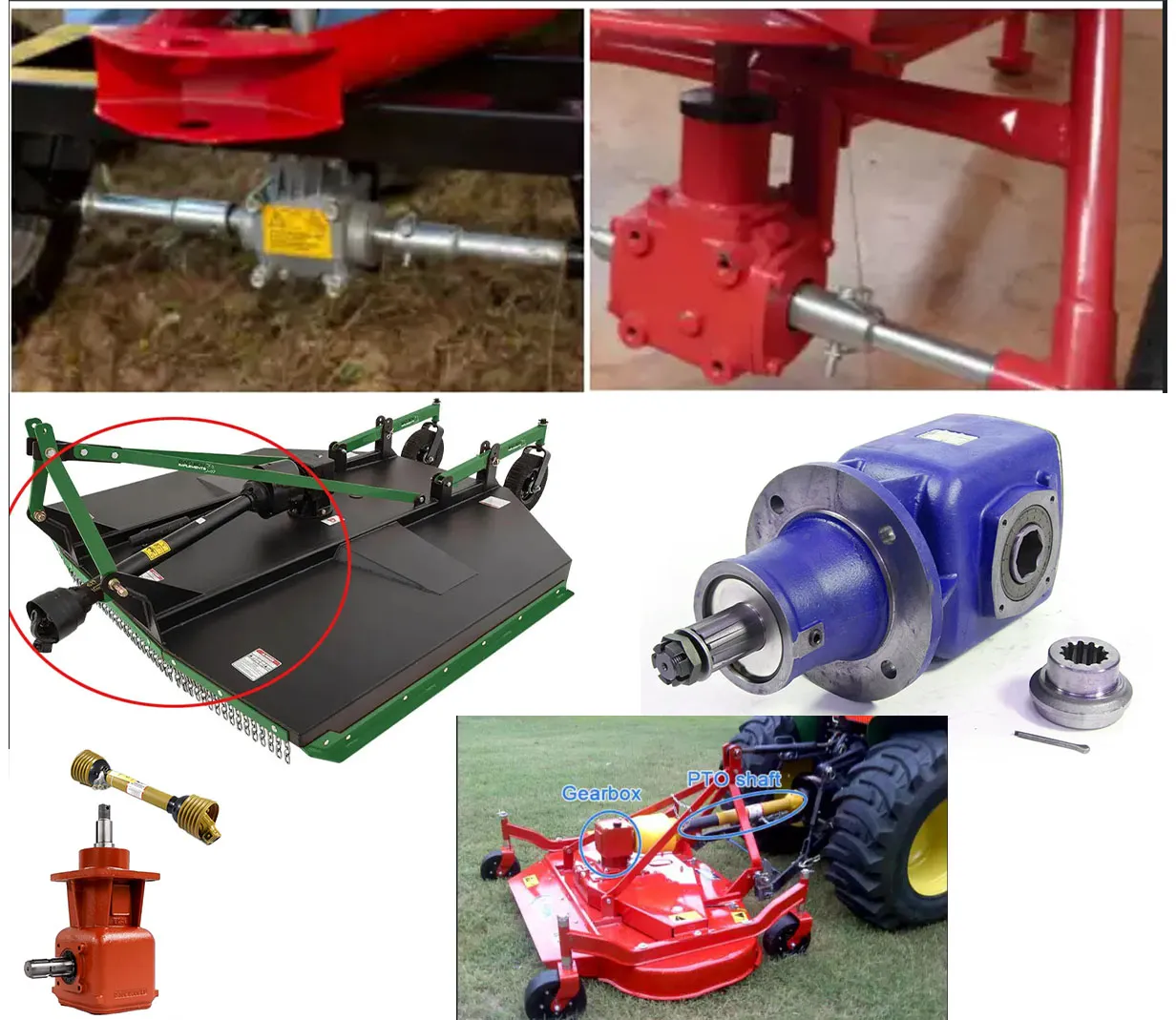
Figure 2: Precision machined output shafts ready for assembly.
Why Leading Robotics OEMs Choose Ever-Power
In the niche market of agricultural robotics, off-the-shelf industrial motors rarely suffice. They are either too heavy, designed for dry factory floors, or lack the necessary torque density. Ever-Power bridges the gap between the heavy-duty world of the pto gearbox and the precision world of automation. We are one of the few manufacturers that understand the “Agricultural Grade” requirement for small DC drives.
Customization at Scale: We don’t just sell motors; we co-develop drivetrains. If your robot chassis requires a specific mounting flange to clear the manure scraper mechanism, we cast it. If you need a specific waterproof connector (like Deutsch or Amphenol) to plug directly into your wiring harness, we install it at the factory. This plug-and-play capability reduces your assembly line time and eliminates potential ingress points.
Supply Chain Resilience: We maintain a strategic inventory of critical components—armatures, magnets, and gear sets. For our partners in Korea, we offer a Vendor Managed Inventory (VMI) service, ensuring that even during global shipping disruptions, your production line in Gyeonggi-do never stops. Our quality control involves 100% submersion testing for IP ratings, giving you the confidence to offer extended warranties to your farmers. When you choose Ever-Power, you are choosing a partner who views the gearbox not as a part, but as the robot’s muscle. For more on our capabilities, visit our home page.
Global Case Studies: Proven Performance
Case 1: Smart Dairy Farm, Chungcheongnam-do, South Korea
Challenge: A newly automated 200-head dairy farm faced frequent robot failures during the winter. The robots were stalling when pushing semi-frozen manure mixed with sawdust bedding. The original motors (sourced from a generic supplier) were overheating and tripping the thermal overload protection.
Solution: Ever-Power analyzed the load profile and supplied a customized 24V DC Worm Gear Motor with a higher reduction ratio (60:1 vs 40:1). We also upgraded the brush material to a silver-graphite composite for better current handling.
Result: The increased torque allowed the robots to plow through frozen patches without stalling. The farm manager reported a 100% uptime in the subsequent winter, securing his milk production schedule.
Case 2: Compact Barn Retrofit, Netherlands
Challenge: A Dutch robotics manufacturer needed a super-compact drive unit for a “mini-scraper” designed for narrow passageways in older barns. Standard agricultural gearbox units were too bulky.
Solution: We developed a custom right-angle planetary solution that integrated the wheel hub directly onto the gearbox output shaft, saving 150mm of width.
Result: The slimmer robot could navigate tight corners previously accessible only by hand scraping, opening up a new market segment for the manufacturer.
Case 3: Large Scale Feedlot, Texas, USA
Challenge: Ammonia gas corrosion was destroying the aluminum housings of the robot’s drive motors within 6 months. The oxidation caused the seals to lift and water to enter.
Solution: Ever-Power implemented an electrophoretic deposition (E-coating) process on the cast iron gearbox housing and used stainless steel 316 for the output shafts.
Result: The lifespan of the drive units extended from 6 months to over 5 years, drastically reducing the Total Cost of Ownership (TCO) for the feedlot operator.
Frequently Asked Questions
Q1: Can these motors handle high-pressure washing?
Yes. Our IP67 rated units are designed to withstand high-pressure water jets used during barn cleaning. We use double-lip oil seals and a sealed terminal box cover with a rubber gasket to prevent water ingress.
Q2: What happens if the robot gets stuck? Is the gearbox protected?
While the gearbox is mechanically robust, we recommend using a current-limiting motor controller. However, the gears are manufactured with a high safety factor (Service Factor > 1.5) to withstand the momentary stall torque without tooth breakage.
Q3: How does the battery type affect the motor choice?
The motor’s voltage must match your battery system (typically 24V for smaller robots, 48V for larger ones). Lithium-ion systems maintain voltage better under load than lead-acid, allowing the motor to deliver consistent torque throughout the scraping cycle.
Q4: Can I use a standard agricultural PTO gearbox for this application?
No. An agricultural pto gearbox is designed for 540 or 1000 RPM input from a diesel engine and is generally too large, heavy, and inefficient for battery-powered electric drive applications.
Q5: Do you offer replacement parts for the brushes?
Yes, for our brushed DC models, the brushes are designed to be replaceable. However, we also offer Brushless DC (BLDC) motors which eliminate brush maintenance entirely, ideal for robots running 24/7 cycles.
Comprehensive Agricultural Drivetrain Solutions
While your immediate need may be DC drives for robotics, Ever-Power is a full-spectrum supplier for the agricultural industry. We invite you to explore our other product lines which are essential for complete farm mechanization:
- PTO Drive Shafts: Essential for connecting tractors to implements like TMR mixers and spreaders. View our Product Catalog.
- Agricultural PTO Gearbox: Heavy-duty boxes for rotary tillers, mowers, and post-hole diggers.
- Replacement Parts: From chains and sprockets to hydraulic cylinders, we support the entire ecosystem of farm machinery.
Ready to Automate Your Farm Maintenance?
Don’t let equipment failure interrupt your dairy operations. Partner with Ever-Power for drive solutions that are as tough as your environment.
Editor: Cxm