

Overview: The Heart of the Billeting Process
In the intricate anatomy of a sugarcane harvester, the chopper gearbox (also known as the billet chopper drive) serves as the critical dividing line between raw stalk intake and processed cargo. Located immediately after the feed rollers in the mid-section of the harvester chassis, this transmission unit is responsible for driving the dual drum rollers—the “chopper drums”—equipped with heavy-duty blades. Unlike the base cutter which operates near the ground, the chopper gearbox operates in a confined, high-vibration environment where it must slice continuous cane stalks into precise 20-30 centimeter billets.
The defining challenge of this application is synchronization. The upper and lower drums must rotate in perfect antiphase to ensure the blades meet exactly at the center line to sever the cane, without physically colliding. A deviation of just 2 degrees in gear timing results in blade-on-blade impact, causing catastrophic failure of the shafts and housing. EVER-POWER has engineered a robust solution featuring an external timing mechanism, allowing maintenance teams to fine-tune the blade overlap without disassembling the heavy gearbox casing—a feature crucial for minimizing downtime during the intense 24-hour harvest windows seen in global plantations.
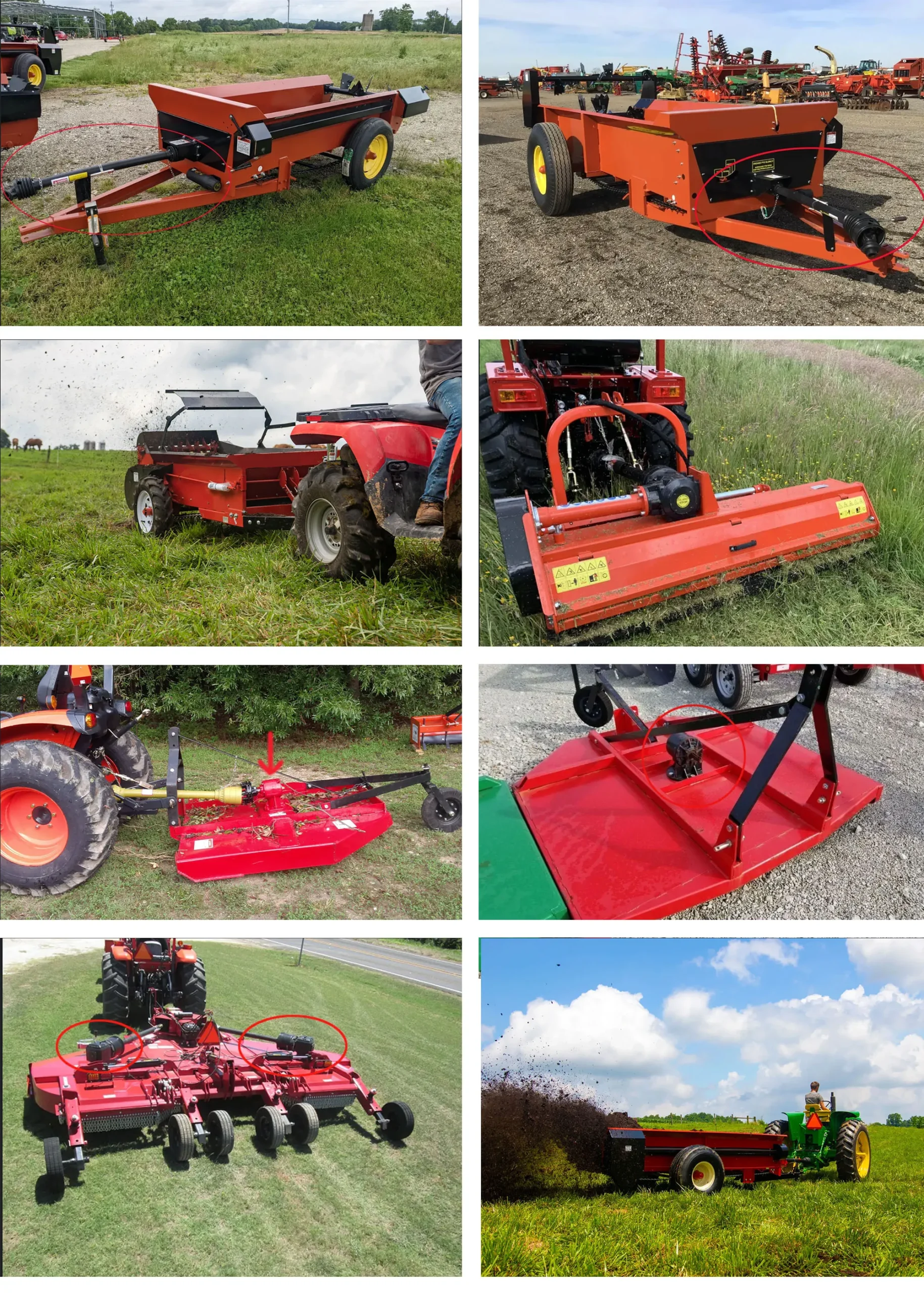
Figure 1: The chopper unit is centrally located to process stalks before extraction.
Technical Specifications & Engineering Data
The following data reflects the EVER-POWER CH-Series Chopper Gearbox, compatible with 350-400 HP class harvesters.
| Parameter Category | Specification / Value |
|---|---|
| Rated Input Power | 60 kW – 90 kW (Hydraulic Motor Input) |
| Input Speed (Max) | 2,200 RPM |
| Drum Output Speed | 180 – 220 RPM (Variable) |
| Reduction Ratio | 10.5:1 (Typical) |
| Max Output Torque | 3,800 Nm per drum |
| Gear Configuration | Planetary Primary + Spur Gear Synchronization |
| Sync Gear Material | 20CrNi2Mo (Carburized & Ground) |
| Timing Adjustment | External Eccentric Bushing / Spline Phase Lock |
| Housing Material | Ductile Iron QT500-7 (Shock Resistant) |
| Shaft Hardness | HRC 58-62 (Spline Area) |
| Bearing Type | Heavy Duty Spherical Roller Bearings (Timken/SKF) |
| Backlash Tolerance | < 0.15mm (Critical for timing) |
| Lubrication Capacity | 6.5 Liters |
| Oil Type | ISO VG 220 / SAE 85W-140 |
| Sealing System | Cartridge Seal with Mud Shield (FKM) |
| Operating Temp | -10°C to +110°C |
| Input Interface | SAE C 2-Bolt or 4-Bolt Flange |
| Weight (Dry) | 185 kg |
| Service Factor | 2.0 (Heavy Impact Load) |
| Flywheel Effect | Integrated Inertia Optimization |
| Breather | Remote Mount Desiccant Type |
| Paint | Epoxy Primer + Polyurethane Topcoat (Green/Black) |
| Mounting Orientation | Horizontal |
| Noise Level | < 85 dB |
| Vibration Rating | Class B (ISO 10816) |
Operational Logic: Managing the “Collision Course”
1. Phase Synchronization
The chopper gearbox is essentially a high-torque timing device. It accepts input from a hydraulic motor and splits it into two counter-rotating outputs. Inside, a pair of precision-ground spur gears mesh with zero allowable play. These “timing gears” dictate the relative position of the top and bottom blade holders. If these gears wear or suffer tooth deformation, the blades (which pass within millimeters of each other) will collide, resulting in downtime costing thousands of dollars per hour.
2. External Timing Adjustment
Over time, blade wear and shaft torsion can cause the cut point to drift. Traditional gearboxes required removal and disassembly to re-index the gears. Our design mimics the advanced systems found in John Deere 3520/CH570 series harvesters. We incorporate an accessible Quill Shaft Adjustment or eccentric bearing housing. By loosening a locknut on the exterior, a technician can rotate the timing shaft slightly to advance or retard the blade phase, verifying the clearance with a feeler gauge before locking it back down—all without draining the oil.
3. Inertia Management
Sugarcane varies in density. A sudden thick clump acts like a brake on the drums. The gearbox is designed with significant rotational inertia (flywheel effect) to carry the blades through these density spikes without stalling the hydraulic system, ensuring a clean cut rather than a “tear” which damages the sugar content of the billet.
[South Korea] Regional Adaptation & Standards
Biomass & Sorghum Processing
While sugarcane is not a primary crop in Korea, the machinery (like the CH570) is increasingly used for Sweet Sorghum (Biomass) harvesting in regions like Jeollanam-do. The fibrous nature of sorghum requires tighter blade tolerances than cane. Our gearboxes are calibrated with tighter backlash settings (0.08mm) to ensure clean cutting of thinner sorghum stalks utilized in Korean bio-ethanol pilot projects.
KCs & KOSHA Compliance
Machinery imported into or operated in Korea must adhere to KOSHA (Korea Occupational Safety and Health Agency) standards for rotating machinery. Our units feature enhanced safety guarding mounts and pressure relief valves that prevent housing rupture, meeting the stringent “KCs” safety certification requirements for industrial agricultural equipment.
Supply Chain Hub
Korea serves as a strategic testing and logistics hub for agricultural machinery exported to Southeast Asia. We partner with Korean testing facilities to validate our agricultural gearboxes under ISO 500 standards, ensuring that units transiting through Busan Port meet global reliability benchmarks before reaching fields in the Philippines or Thailand.
Engineer’s Perspective: Design Philosophy
“We Don’t Just Build Gears; We Build Time.”
From the desk of Chief Engineer Chen:
In the field of billet chopping, “Time” is literal. The upper and lower blades are racing towards each other at 600 cuts per minute. If the timing is off by a fraction of a second, you don’t just have a dull cut; you have a mechanical explosion.
The standard failure mode we see isn’t tooth breakage from load; it’s Backlash Amplification. As bearings wear, the shaft center-lines shift, increasing backlash. This allows the blades to ‘flutter’ and eventually clash. My design philosophy for the billet chopper drive centers on Pre-load Retention. We use oversized tapered roller bearings with a rigid spacer shim pack, pre-loaded to 0.05mm axial play. This is tighter than standard agricultural specs but necessary to hold the shafts rigid against the violent chopping forces. We also use a ‘blind’ assembly method for the timing gears where they are heat-shrunk onto the shafts, eliminating keyed connections that can wallow out over time.
Field Reports: 3 Global Success Stories
1. South Korea (Jeju) – Sorghum Pilot
Scenario: A government-backed biomass project on Jeju Island used a modified harvester for high-density sorghum.
Issue: The thinner stalks were jamming between the blades of the standard gearbox due to excessive clearance.
Solution: We supplied a precision-timed unit with zero-backlash gears and a tighter blade gap setting.
Result: Clean cut quality improved by 40%, reducing fermentation issues in the ethanol plant.
2. Brazil (São Paulo) – The 24-Hour Grind
Scenario: A major mill (Usina) runs harvesters 24/7. Thermal expansion was causing bearing seizures in OEM boxes.
Solution: We implemented a high-flow oil circulation system with external cooling ports on the gearbox housing.
Result: Operating temperature stabilized at 85°C (down from 110°C), doubling seal life.
3. Australia (Queensland) – The Adjustment
Scenario: Contractors needed to change blade types mid-season, requiring frequent timing resets.
Solution: Our “External Timing” feature allowed them to re-phase the shafts in 20 minutes without shop tools.
Result: Saved approximately 4 hours of maintenance time per blade change event.
Why Partner with EVER-POWER?
The Chopper Gearbox is the most technically demanding component on a sugarcane harvester. It requires the precision of a Swiss watch but the durability of a tank. At EVER-POWER, we don’t treat this as just another agricultural gearbox; we treat it as a precision instrument.
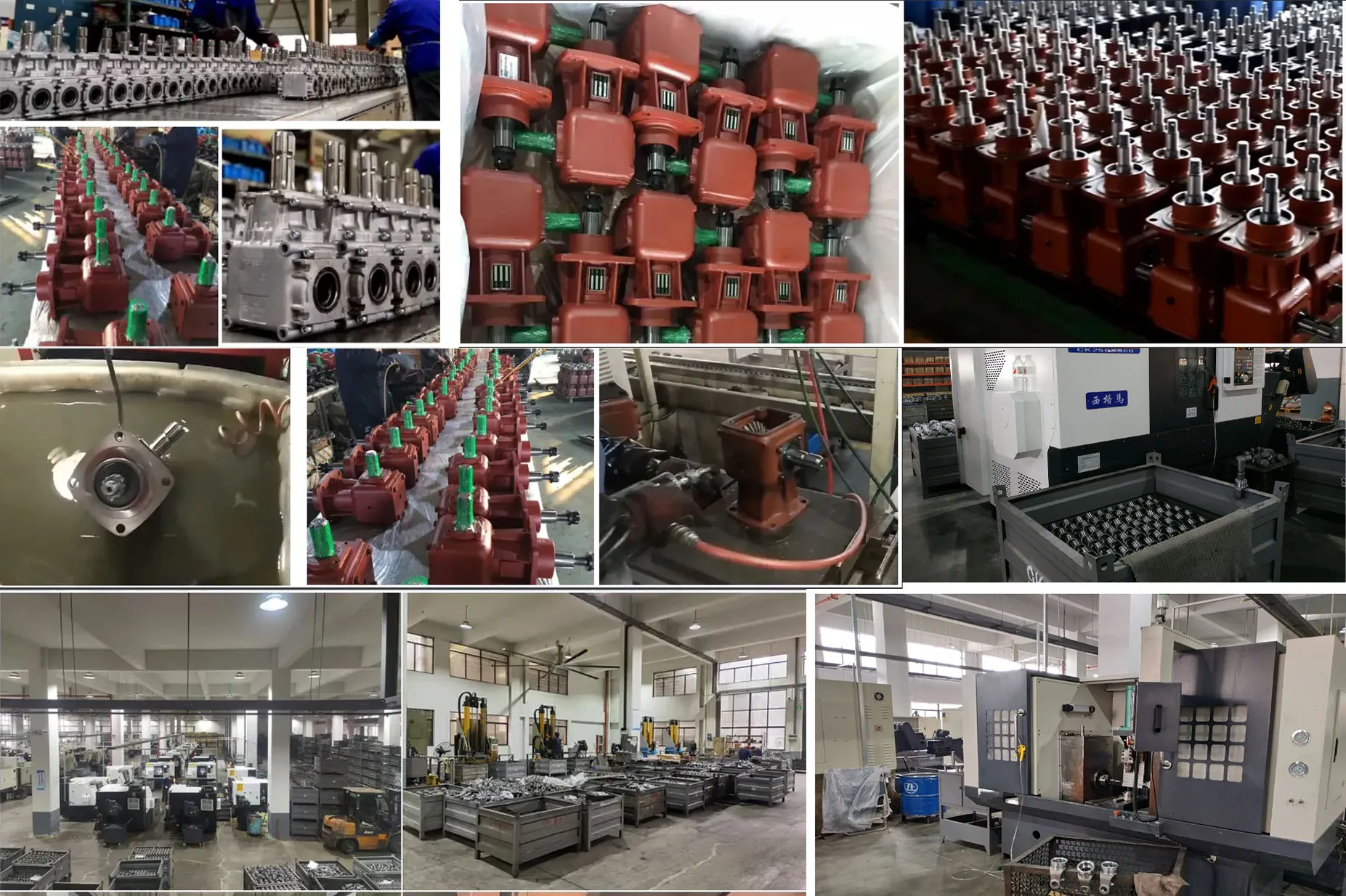
Our manufacturing facility is equipped with Gleason bevel gear generators and Klingelnberg gear measuring centers (P26), ensuring that every timing gear set meets DIN 5 precision standards. We are one of the few aftermarket manufacturers that perform “Phase Testing” on every chopper box before it leaves the factory—we run the unit and measure the blade tip deviation with laser sensors to guarantee perfect synchronization. Furthermore, as a comprehensive supplier of agricultural pto gearbox and pto gearbox solutions, we offer the complete drivetrain package, including the input hydraulic motor adapters and the output blade hubs, ensuring seamless integration for your harvesting fleet.
Complete Sugarcane Harvester Drivetrain
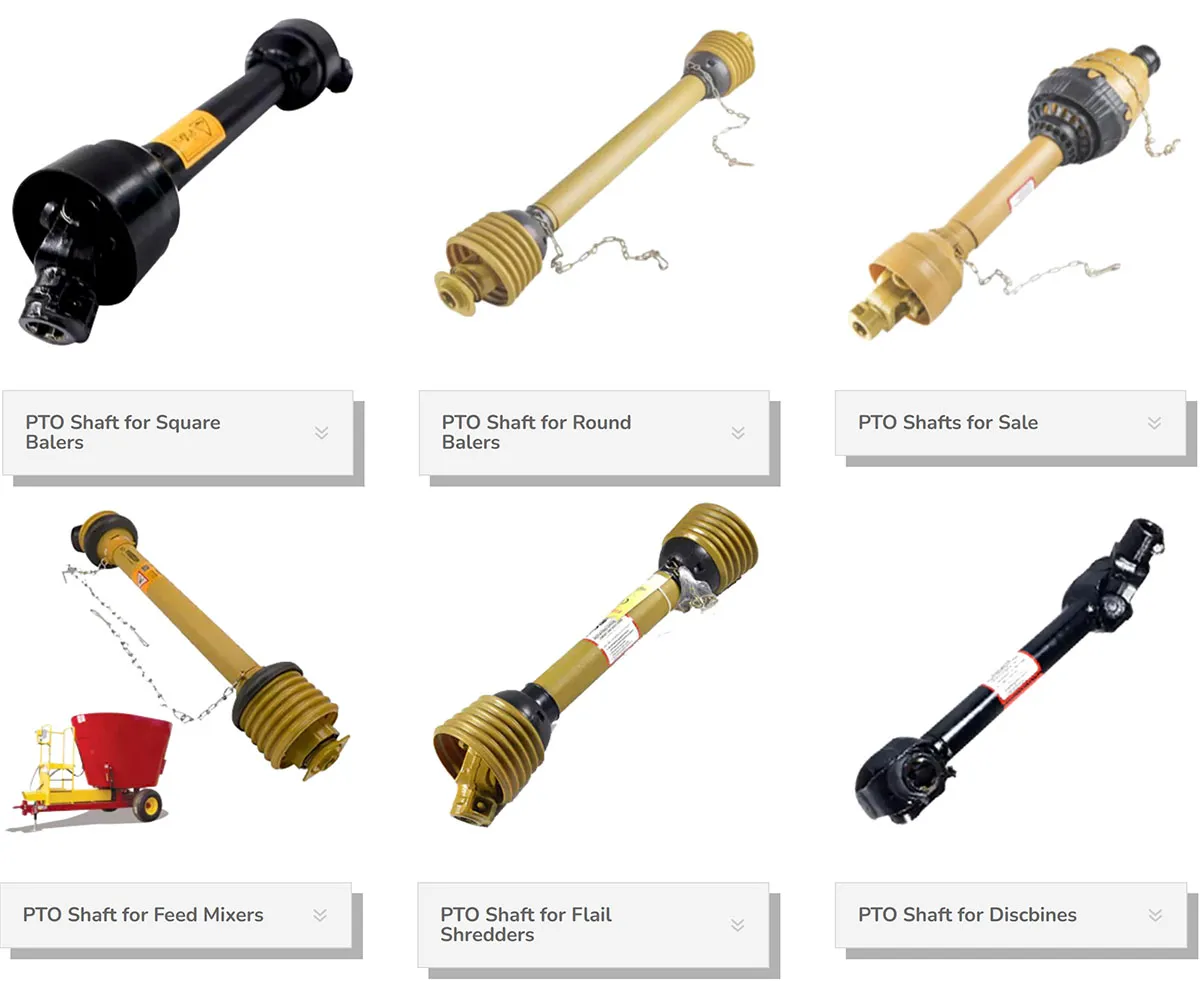
B2B FAQ: Maintenance & Specs
Q: How do I adjust the timing without opening the gearbox?
Our gearboxes feature an external access cap. Underneath is a splined quill shaft or an eccentric locking nut. By loosening the clamp bolts, you can rotate the timing shaft independently of the drive gear. Use a feeler gauge between the blades to confirm the gap, then re-torque the clamp bolts.
Q: What happens if the blades collide?
Blade collision transmits an infinite shock load back into the gearbox. This typically strips the teeth off the timing gears and can crack the cast iron housing. If you hear a rhythmic “knocking” sound, stop immediately and check the timing.
Q: Can this replace a John Deere CH570 chopper box?
Yes, our CH-Series is dimensionally compatible with the John Deere mechanism, including the mounting bolt pattern and the hydraulic motor interface. We offer both the standard and “Heavy Duty” (larger bearing) versions.
Q: How often should I change the oil?
Due to the high speed and heat, we recommend an initial break-in oil change at 50 hours, and then every 500 hours or once per harvest season. Use high-quality synthetic gear oil to resist thermal breakdown.
Q: Is the gearbox compatible with biomass harvesting?
Yes. For biomass (like sorghum or miscanthus), we recommend our “Precision Spec” unit which has tighter backlash tolerances to ensure clean cutting of thinner, tougher fibers.
Eliminate Downtime with Synchronized Power
Whether harvesting cane in Brazil or biomass in Korea, rely on EVER-POWER for chopper gearboxes that hold their timing season after season.
Editor: Cxm