
Base cutter gearbox for sugarcane harvester efficiency
Engineered for the ground-zero impact zone: high-torque synchronization for cleaner cuts and lower losses.
Operational mastery at the cutting edge
In the anatomy of a sugarcane harvester, the base cutter gearbox occupies the most hostile position: the front chassis undercarriage, mere centimeters from the soil. It is the tactical heart of the harvesting process. Its primary function is to accept power from the hydraulic motor or the main driveline and split this torque into two counter-rotating vertical output shafts. These shafts drive large discs fitted with hardened steel blades that sever the cane stalk at ground level.
The engineering challenge here is twofold: synchronization and survival. The two cutting discs must overlap to ensure a clean cut without missed stalks, which necessitates precise internal “timing gears” to prevent the blades from colliding—a catastrophic failure mode known as “blade clash.” Furthermore, because the base cutter drive operates partially submerged in mud, trash, and abrasive soil, the thermal management of the gearbox becomes critical. Mud acts as a thermal insulator, preventing natural heat dissipation, while the impact of hidden field stones sends shockwaves directly through the vertical shafts into the gear train.
Our design philosophy treats the agricultural gearbox not just as a transmission device, but as a structural shield. We utilize high-grade ductile iron housings capable of deflecting rock impacts, ensuring that the precision helical gears inside remain aligned even under the severe vibration typical of harvesting conditions in regions ranging from the rocky fields of Queensland to the clay-heavy soils of South Korea’s bio-crop trial zones.
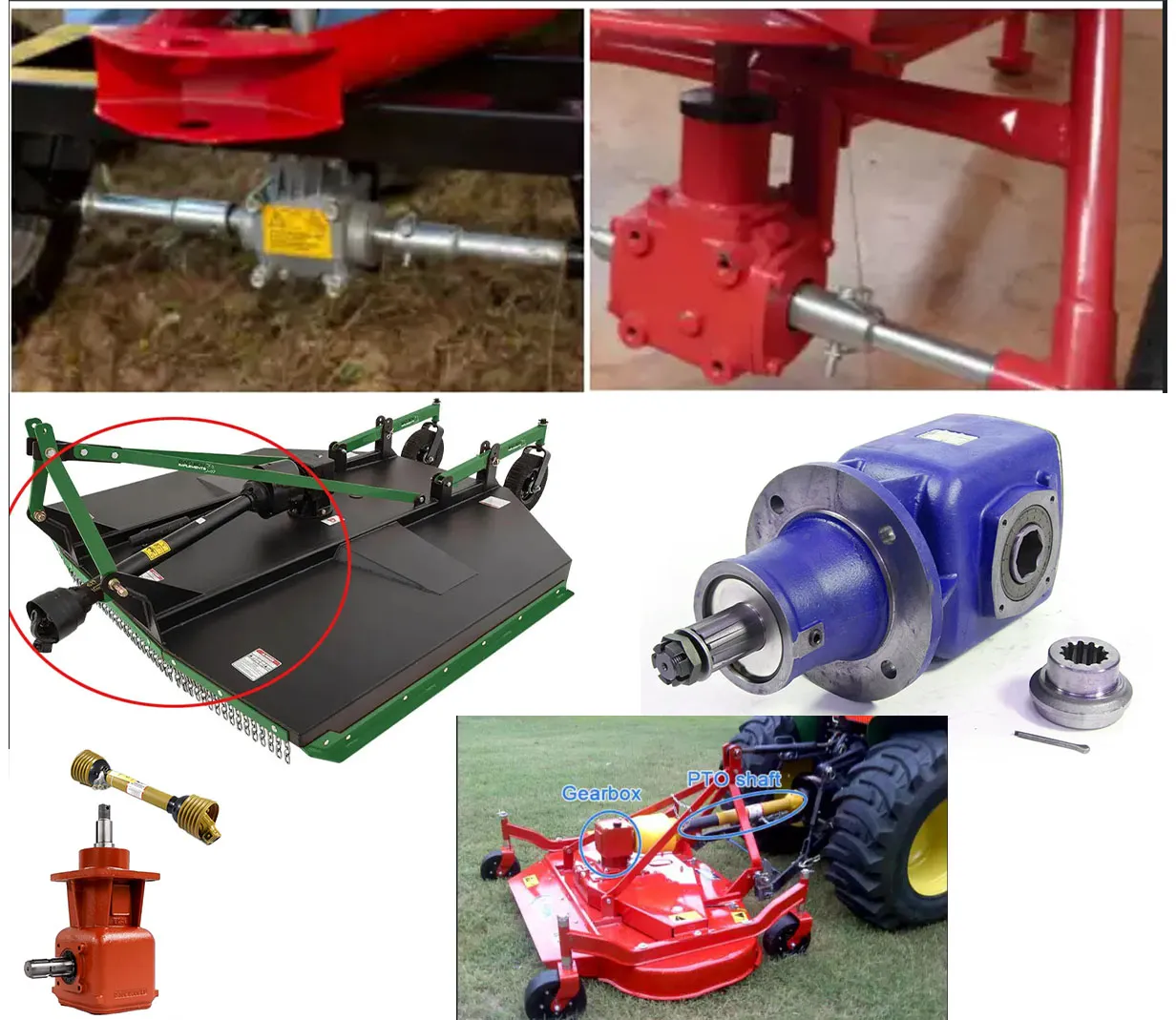
Technical specifications: BC-Series heavy duty
| Parameter | Specification range | Engineering note |
|---|---|---|
| Rated input power | 80 hp – 150 hp (60 – 110 kW) | Continuous duty cycle |
| Max output torque | 2,800 nm per shaft | Peak shock load capacity: 4,500 nm |
| Input speed | 540 / 1000 rpm | Hydraulic or PTO driven options |
| Gear ratio | 1:1.92 (Speed increaser) | Optimized for 600-800 rpm disc speed |
| Gear type | Helical bevel + spur timing | 20CrMnTiH carburized steel (HRC 58-62) |
| Housing material | Ductile iron QT450-10 | High tensile strength against impact |
| Shaft sealing | Cassette seal (mud block) | Multi-lip FKM viton with slinger |
| Lubrication system | Forced circulation + Splash | Optional external cooler ports |
| Output shaft profile | Splined or tapered key | Customizable to disc hub interface |
| Weight (dry) | 185 kg – 240 kg | Depending on mounting flange |
Engineering the “Timing” Architecture
The defining feature of a premium base cutter gearbox is its timing mechanism. Unlike a standard agricultural tiller box, this unit drives two shafts that must remain in perfect phase. We utilize precision-ground spur gears located on the upper tier of the transmission to lock the shafts in synchronization. This design separates the “timing load” from the “cutting torque,” allowing the lower helical gears to handle the brute force of severing thick cane stalks. Chinese patent analysis and our own R&D confirm that increasing the helix angle of the lower drive gears to 12-15 degrees significantly reduces the noise signature and vibration transmission to the harvester chassis, protecting sensitive hydraulic sensors located nearby.
Regional adaptation: South Korea & East Asia
While South Korea is not a traditional sugarcane giant, the rise of biomass energy crops and the export manufacturing sector (brands like LS Mtron and TYM expanding into global agricultural implements) demands high-spec drivetrain components. For the Korean market, our agricultural gearbox solutions comply strictly with KS B ISO 4254-7 (Combine Harvesters and Forage Harvesters – Safety). We recognize the unique terrain challenges in provinces like Jeollanam-do, where reclaimed land often contains hidden saline rock fragments. Our “Korean Export Spec” gearboxes feature reinforced output bearings and specialized anti-corrosion paint to withstand the acidic soil conditions often found in these bio-crop zones. Furthermore, we provide localized documentation to assist manufacturers in meeting the stringent safety audits required for machinery entering the OECD market.
Why OEM engineers specify Ever-Power for base cutter drives
Selecting a supplier for the base cutter drive is a decision that directly impacts the reliability rating of the entire harvester. At Ever-Power, we move beyond the role of a simple assembler. We are a vertically integrated transmission manufacturer with over 15 years of specialized experience in the sugarcane and forage harvesting sectors. Our facility houses complete gear hobbing, grinding, and heat treatment lines, allowing us to control the metallurgy of every critical component.
Unlike generic suppliers who repurpose standard rotary mower boxes for sugarcane applications, we engineer from the ground up. We understand that a base cutter gearbox must survive where others fail. Our quality assurance process involves a 100% full-load run test for every unit, checking for noise, vibration, and thermal anomalies before crating. We also implement a unique “vacuum leak test” on the casing to ensure that seals are perfectly seated—crucial for preventing mud ingress in the field.
Furthermore, our global supply chain agility means we can support assembly lines in South Korea, Brazil, or Thailand with Just-In-Time delivery. We offer full CAD integration support, helping your design team optimize the mounting points on the harvester chassis to reduce vibration fatigue. When you choose Ever-Power, you are choosing a partner who understands the difference between a gearbox that runs and a gearbox that lasts.
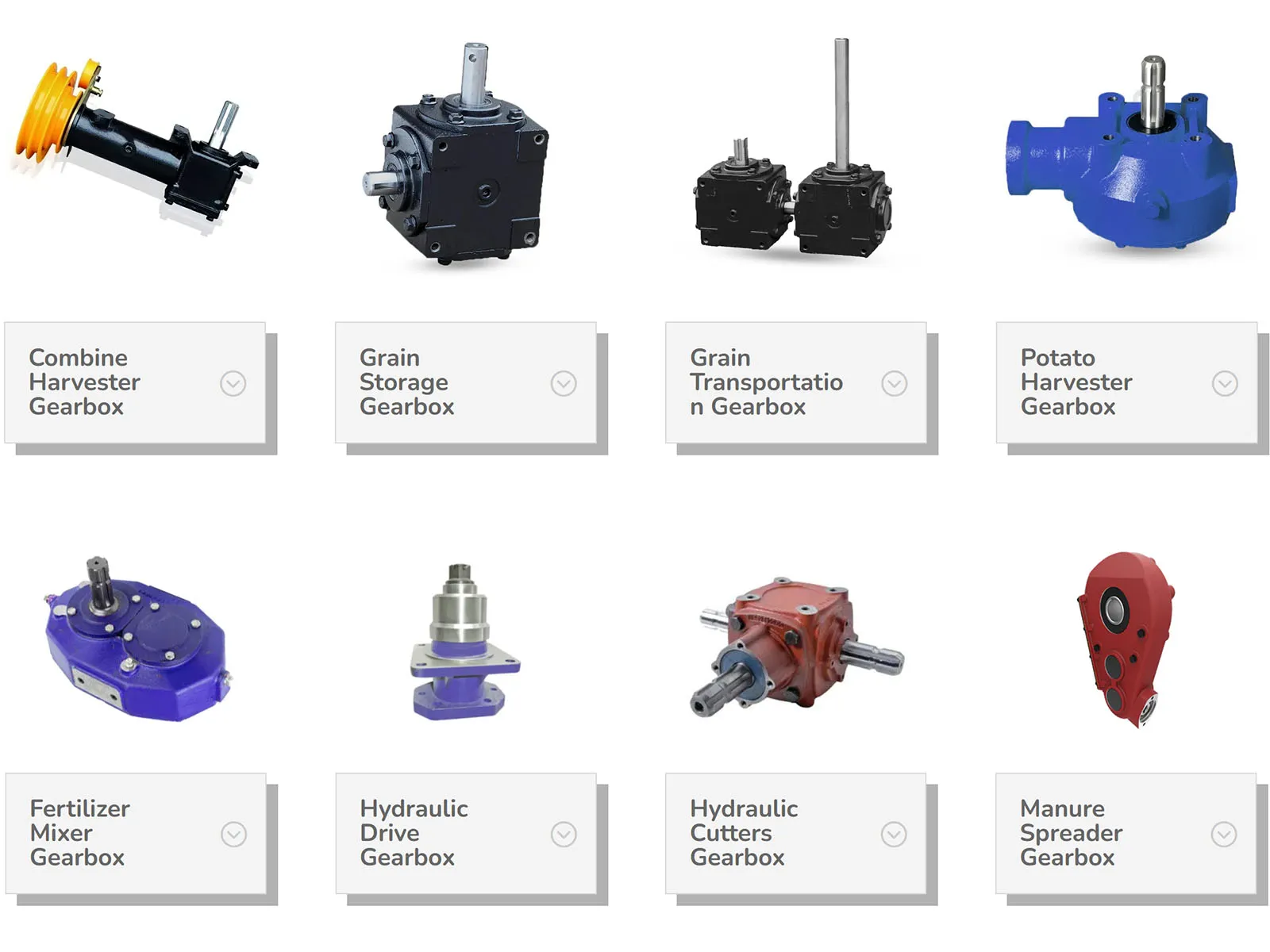
Field intelligence: global performance reports
South Korea: The Bio-Crop Challenge
Context: A machinery developer in Gwangju testing a prototype harvester for tall sorghum (energy crop) on reclaimed coastal land.
Problem: High salinity mud was causing premature seal failure in the standard European gearboxes, leading to saltwater corrosion of the bearings.
Solution: We supplied a modified Base Cutter unit with triple-lip cassette seals and a stainless steel sleeve on the output shaft wear zone.
Result: The prototype completed 500 hours of saline environment testing with zero fluid ingress, meeting the durability standards for the Korean “New Energy Machinery” grant.
Brazil: The 24-Hour Grind
Context: A large sugar mill in Ribeirão Preto running harvesters 24/7 during the peak season.
Problem: Overheating. The base cutter gearboxes were reaching 110°C, degrading the oil viscosity and causing gear scuffing.
Solution: We implemented a housing design with integrated oil circulation ports, connecting the gearbox to an external small hydraulic cooler.
Result: Operating temperatures dropped to a stable 85°C, doubling the oil change interval and preventing mid-season breakdowns.
Australia: The Rock Barrier
Context: Contractors in Northern Queensland dealing with fields full of river stones.
Problem: Standard housings were cracking at the mounting feet due to impact shock when the blades hit large rocks.
Solution: A transition to QT450-10 Ductile Iron with thickened webbing around the mounting flange.
Result: Zero housing fractures recorded in the following season. The ductile iron absorbed the shock loads that previously shattered grey iron castings.
Frequently asked questions
Q: How do I adjust the timing of the base cutter blades?
The timing is set internally via the timing gears during assembly. However, for maintenance, the blade hubs are usually keyed or splined. You must align the blade holders such that when one blade is at the 12 o’clock position, the opposing blade is synchronized to pass without contact (usually 90 degrees offset depending on the blade count). Never disassemble the gearbox internals to adjust timing without consulting the manual.
Q: What type of oil should be used in the base cutter gearbox?
Due to the high operating temperatures and shock loads, we recommend a high-performance synthetic gear oil, typically ISO VG 220 or 75W-90 Synthetic GL-5. In extremely hot climates like Brazil or summer in Korea, ISO VG 320 may be used to maintain film thickness.
Q: Is this gearbox compatible with hydraulic drive motors?
Yes, our base cutter gearboxes usually feature an SAE standard input flange (e.g., SAE B or C) to directly mount hydraulic motors (Danfoss, Eaton, etc.). We also offer versions with a splined input shaft for mechanical pto gearbox drive lines.
Q: How often should the output seals be changed?
In abrasive sandy soils, we recommend inspecting seals every 500 hours. However, our “Mud Block” cassette seal technology is designed to last one full harvesting season (approx. 1500-2000 hours) under normal conditions. Immediate replacement is required if oil leakage is observed.
Q: Can you customize the output shaft dimensions for my specific blade holder?
Absolutely. As an OEM manufacturer, we can machine the output shafts to your specific diameter, taper, or spline count to ensure a perfect fit with your existing blade hubs or chopper system.
Complete drivetrain solutions
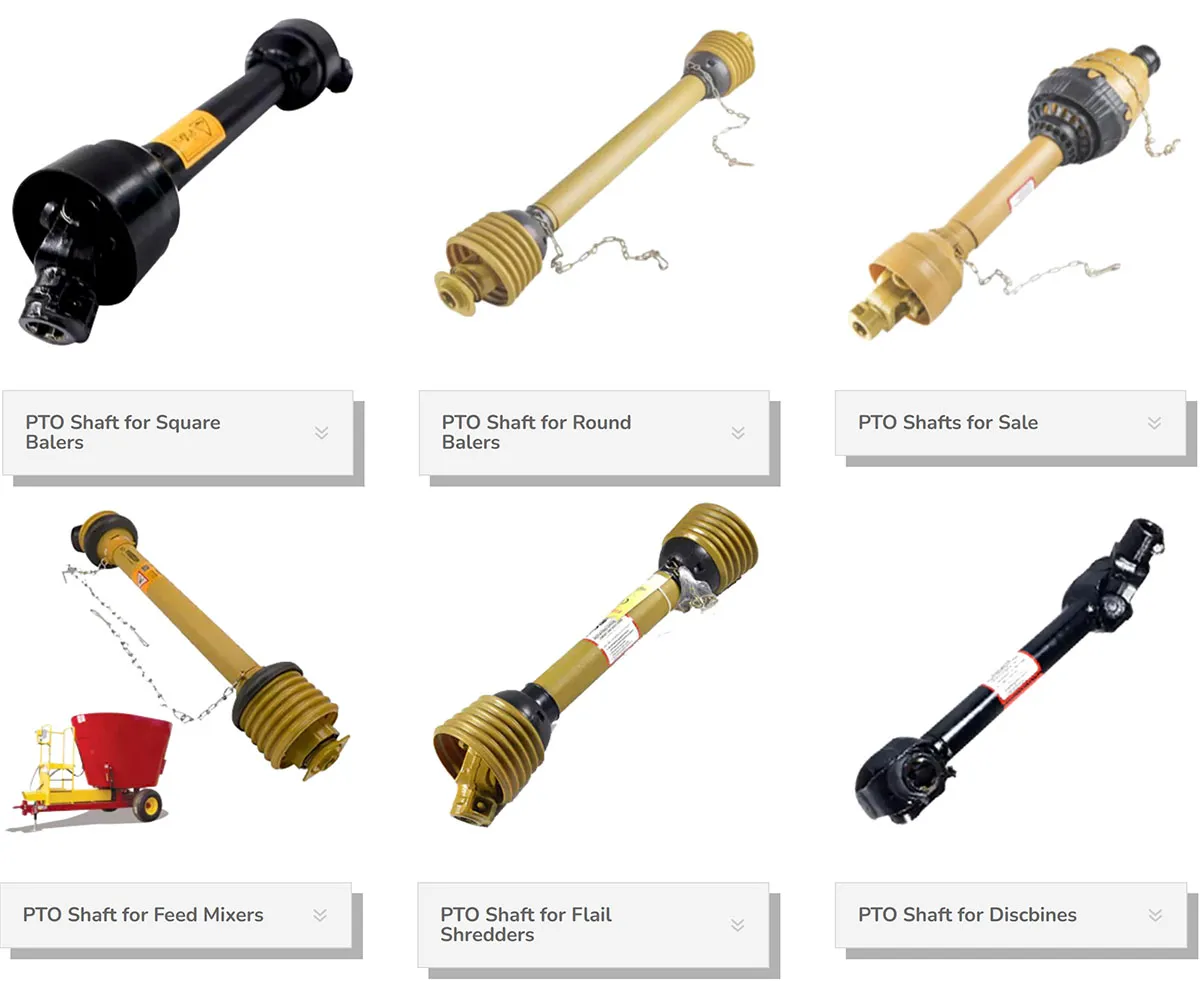
Heavy duty PTO shafts
Essential for transferring power from the tractor or main engine to the harvester systems.
Ready to upgrade your harvesting fleet?
Contact our engineering team today to discuss your base cutter gearbox requirements or to request a quote for export to South Korea and beyond.