
The Scraper System: The Hardest Working Component in Waterfowl Farming
If the feeding line is the digestive tract of a poultry farm, the manure removal system is undoubtedly the excretory tract. It is the segment of farm automation that faces the most hostile working environment, the highest failure rates, and the most rigorous demands on component durability. This is particularly true for waterfowl (ducks and geese). Unlike the relatively dry manure of layer hens, waterfowl produce a high-moisture, acidic slurry mixed with feathers and bedding.
In typical flat-deck housing used for meat ducks, the scraper system must operate in a trench that is often flooded. The agricultural gearbox driving this system is not merely a speed reducer; it is a “Torque Monster” fighting against tons of viscous sludge. A standard 3/4 HP motor might provide the power, but without a heavy-duty reduction unit capable of amplifying torque while resisting stall shock, the system will fail.
The friction coefficient in a duck manure channel is significantly higher than in dairy or swine operations due to the presence of wet feathers, which act like binding fibers. When the scraper starts, the static friction requires a breakaway torque that can shatter lesser gears. Therefore, selecting the correct transmission is not just about ratio; it is about survival in a corrosive, high-load zone.
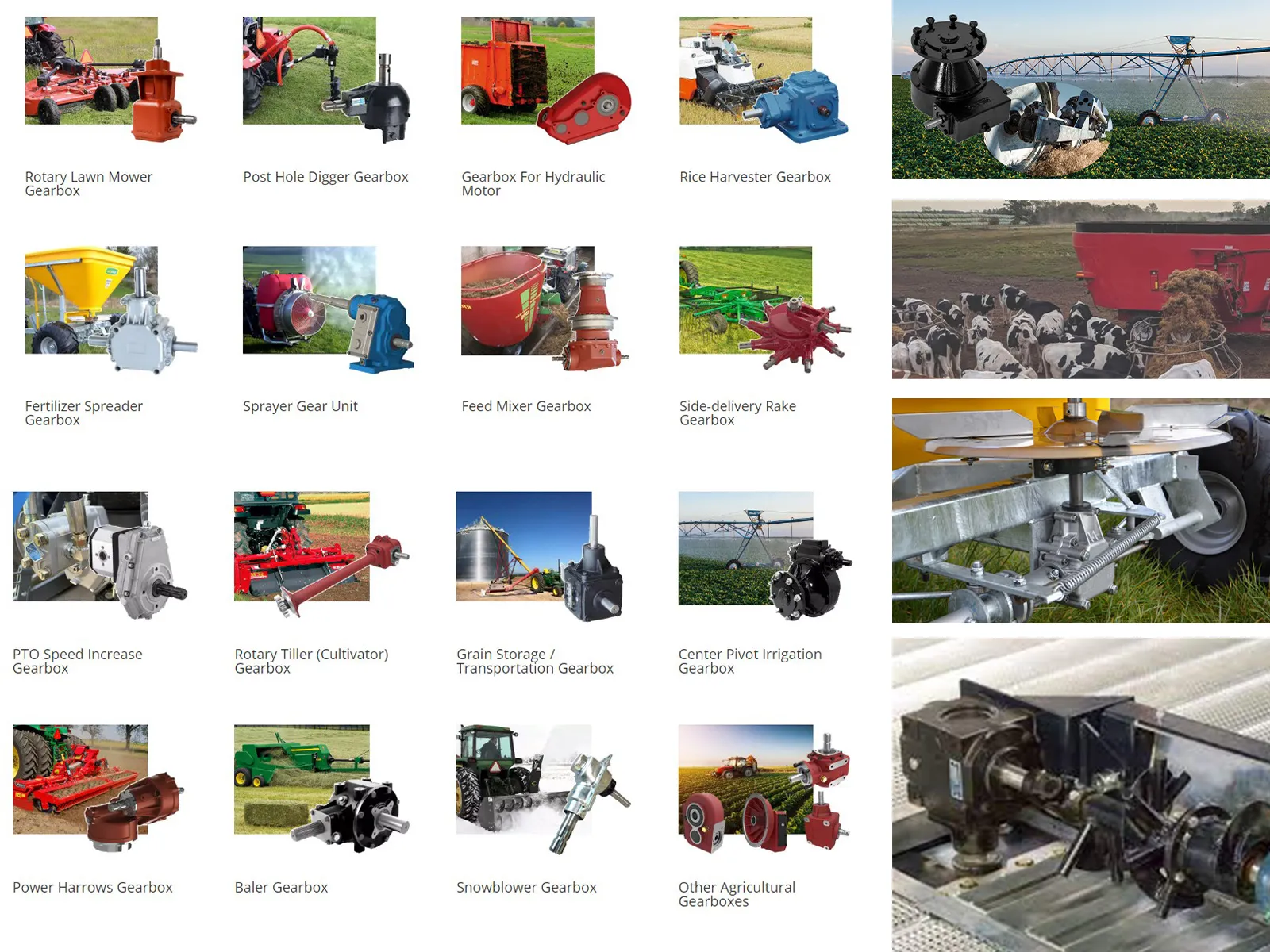
Figure 1: Heavy-duty scraper operating in high-moisture environment.
Engineering the Amphibious Drive: The Battle Against Liquid Ingress
For duck and goose farms, the drive unit is frequently located at the end of the manure pit, a position often referred to as the “death zone” for machinery. Here, the risk is not just humidity; it is submersion. Standard industrial gearboxes are rated for splash protection, not for the hydrostatic pressure encountered when a pit floods. To combat this, we have re-engineered the standard agricultural gear reducer with a focus on hermetic sealing.
The Seal Evolution: From Lip to Cassette
A standard single-lip oil seal is designed to keep oil in, not to keep pressurized dirty water out. As the shaft rotates, microscopic abrasive particles in the manure slurry wear down the shaft surface, creating a groove. Once this groove forms, water ingress is inevitable. Our specialized units utilize Cassette Seals. This advanced design incorporates its own running surface, meaning the seal lips rotate against an internal sleeve, not the shaft itself. This renders the seal immune to shaft wear and provides a labyrinth barrier against feather fibers and grit.
Solving the “Breathing” Dilemma
Thermodynamics is the enemy of waterproof gearboxes. As the gearbox runs, it heats up, and the internal air expands and vents out. When the scraper stops, the unit cools, creating a vacuum that sucks air back in. In a wet manure pit, it sucks in moist air, which condenses into water, emulsifying the oil. Our solution is the Remote Breather System or a Closed-Loop Expansion Chamber. By replacing the standard vent cap with a hydraulic fitting and a hose led to a dry control room, we ensure the gearbox only “breathes” clean, dry air, preventing internal condensation entirely.
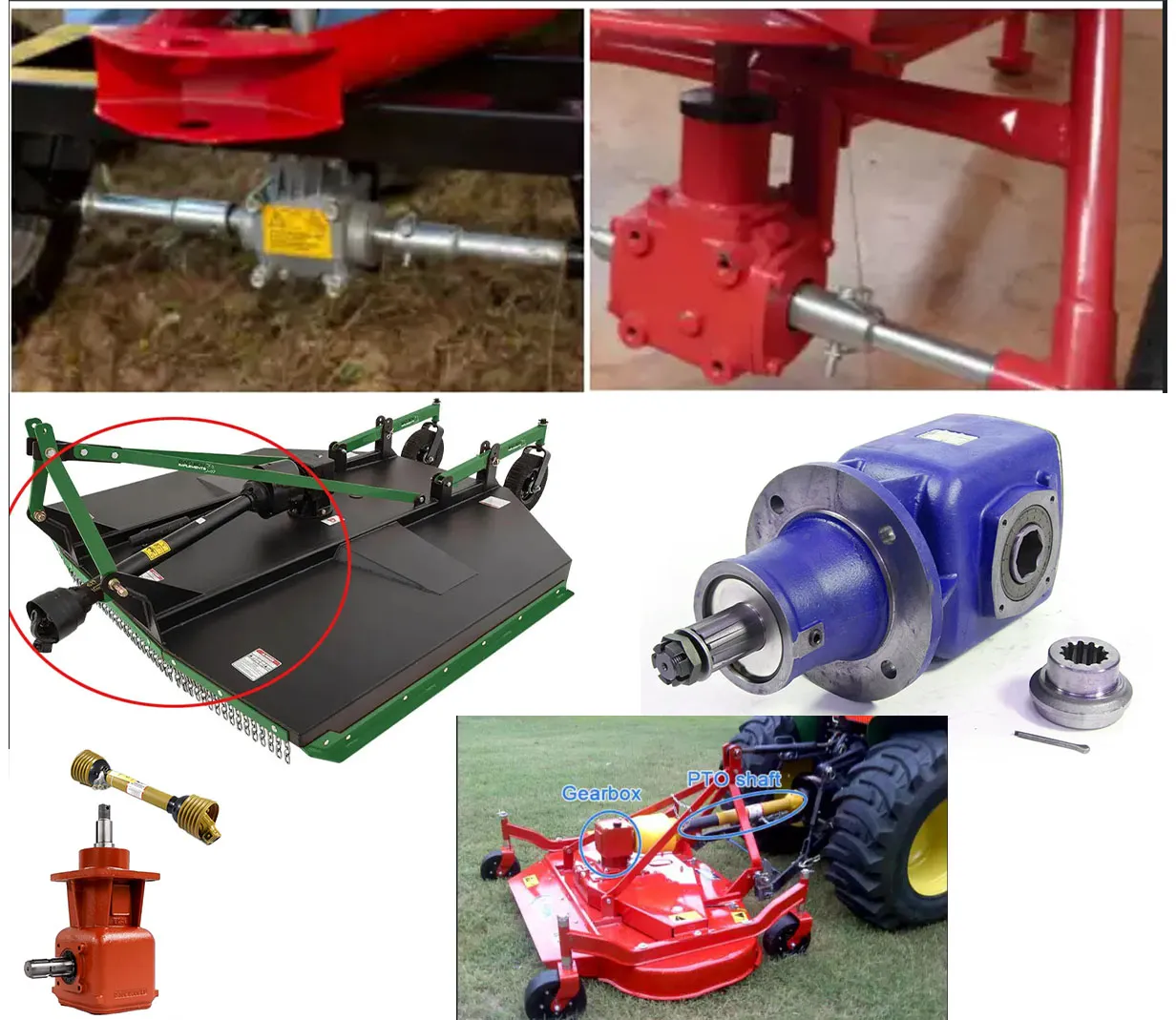
Technical Specifications: EP-Scraper Series
The following specifications are tailored for the heavy-load, high-corrosion environments found in commercial waterfowl production facilities.
| Parameter | Specification Details | Engineering Note |
|---|---|---|
| Output Torque | 800 Nm – 3,500 Nm | Designed for high static friction breakaway |
| Reduction Ratio | 1:30 to 1:60 | Optimized for slow scrape speeds (3-5 m/min) |
| Housing Material | GG25 Cast Iron / Ductile Iron | Coated with C5-M Marine Grade Epoxy |
| Sealing System | Dual Cassette Seal + Dust Shield | Prevents feather and slurry ingress |
| Output Shaft | Solid 40mm – 60mm (Hollow avail.) | 42CrMo4 Quenched & Tempered |
| Lubrication | Fully Synthetic ISO VG 220 | Lifetime fill option available |
| Protection Class | IP66 / IP67 | Withstand high-pressure washdown |
| Breather | Remote Kit or Expansion Bladder | Mandatory for high humidity zones |
Regional Focus: Adapting to South Korea’s Smart Farming Standards
South Korea is a leader in intensive poultry farming, with regions like Naju (Jeollanam-do) being hubs for duck production. The Korean government, through the Ministry of Agriculture, Food and Rural Affairs (MAFRA), heavily regulates manure management to prevent water table contamination.
Compliance with KS B Standards: Machinery imported or used in Korea must often meet KS (Korean Industrial Standards). Our gearboxes align with KS B ISO guidelines for shaft tolerances and mounting flanges, ensuring they can seamlessly replace motors from local brands like Hyosung or imported European units often found on older farms.
The “Smart Farm” ICT Integration: Modern Korean farms utilize IoT sensors to monitor scraper loads. Our gearboxes are compatible with torque-monitoring VFDs. If a duck gets stuck or a blockage occurs, the spike in current is detected, and the system auto-reverses. This requires a gearbox with low backlash and high reversible durability, unlike basic worm gears that may self-lock or wear prematurely under frequent reversing.
Local Relevance
- Climate: Adapts to Korea’s humid monsoon summers (Jangma) and freezing winters.
- Eco-Regulations: Leak-free design supports Korea’s strict “Clean Farm” certification.
- Voltage: Motors matched for 220V/380V 60Hz grid.
Case Studies: Proven Reliability in Harsh Conditions
Case 1: Duck Farm in Naju, South Korea
Challenge: A 50,000-head meat duck farm struggled with gearbox failures every 6 months. The high acidity of the manure was corroding the aluminum housings of their original Italian gearboxes, leading to oil leaks.
Solution: We deployed our EP-Scraper Series with Cast Iron housing and a 3-layer Epoxy coating. We also installed a remote breather tube to the ceiling.
Result: Zero failures in 24 months. The cast iron resisted the acidic environment, and the oil analysis showed no moisture contamination.
Case 2: Goose Breeder in Taiwan (Humid Subtropical)
Challenge: Fine down feathers from geese were wrapping around the output shaft, destroying the rubber seals of the scraper drive.
Solution: Implementation of a custom “Labyrinth Shield” combined with a Cassette Seal. The physical shield prevents feathers from reaching the seal lip.
Result: Maintenance intervals extended from weekly cleanings to monthly inspections. Seal integrity remained 100% intact.
Case 3: Layer Farm in Hokkaido, Japan (Cold Climate)
Challenge: During winter, manure sludge would semi-freeze, causing massive startup torque spikes that sheared the keys on standard agricultural gear reducer shafts.
Solution: We supplied an oversized planetary unit with a Service Factor of 3.0 and switched to Low-Pour Point Synthetic Oil.
Result: The system now powers through semi-frozen blockage without stalling or mechanical breakage.
Why Ever-Power is Your Ideal Transmission Partner
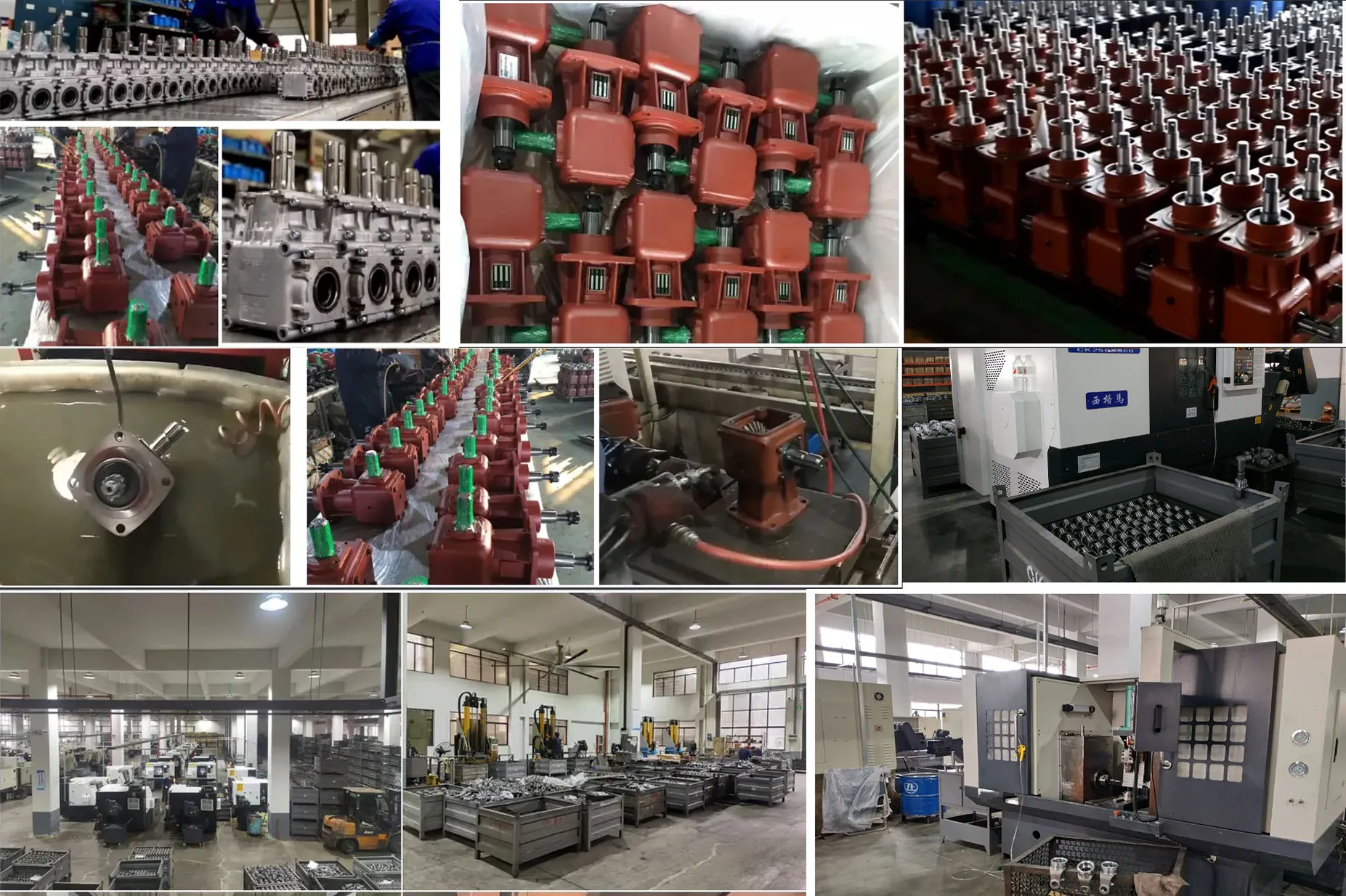
Specialized Metallurgy for Agriculture: We do not simply repurpose general industrial gearboxes for farm use. We understand that an agricultural pto gearbox or a scraper drive faces different stresses than a conveyor belt in a clean factory. Our gears are Case Carburized to HRC 58-62 specifically to handle shock loads common in manure handling.
Rigorous Testing Protocols: Every gearbox destined for a “wet” environment undergoes a submersible leak test in our factory. We simulate the hydrostatic pressure of a flooded pit to ensure our seals hold. Furthermore, our salt spray testing ensures our paint protocols meet Marine C5 standards, crucial for the ammonia-rich atmosphere of poultry houses.
Comprehensive Drivetrain Solutions: Beyond the gearbox, we supply the complete ecosystem. If your system requires an auxiliary tractor backup, we can provide the necessary pto gearbox and drive shafts. Our inventory of spare parts, from seals to gears, ensures that your farm’s downtime is minimized. We don’t just sell a part; we sell operational continuity.
Frequently Asked Questions (FAQ)
Q1: How does your gearbox prevent oil leakage in a flooded pit?
We utilize a multi-stage defense. First, Cassette Seals provide an internal running surface that doesn’t wear the shaft. Second, we use a remote breather kit to prevent vacuum suction of water. Finally, we can use non-toxic, food-grade synthetic lubricants that resist emulsification.
Q2: Can I use a PTO driven backup for my scraper system?
Yes. In areas with unstable electricity, we can design the input shaft to accept a pto gearbox connection. This allows you to drive the scraper system using a tractor’s PTO shaft during power outages.
Q3: What is the maintenance interval for these gearboxes?
For standard mineral oil, we recommend changing it every 2,500 hours. However, with our recommended Synthetic Oil, the interval extends to 5,000 hours or longer. We recommend checking the breather tube monthly to ensure it’s not blocked by spider webs or dust.
Q4: Are your products compatible with European scraper systems commonly used in Korea?
Yes. We manufacture to ISO/DIN standards. Our mounting footprints, shaft diameters, and keyways are designed to be drop-in replacements for major European brands often found in Korean smart farms.
Q5: How do you handle cold weather startups?
For regions like northern Korea, we specify low-viscosity synthetic oils (e.g., 75W-90) that flow down to -30°C. We also use bearings with C3 clearance to accommodate thermal expansion differentials during rapid warm-up.
Related Drivetrain Solutions
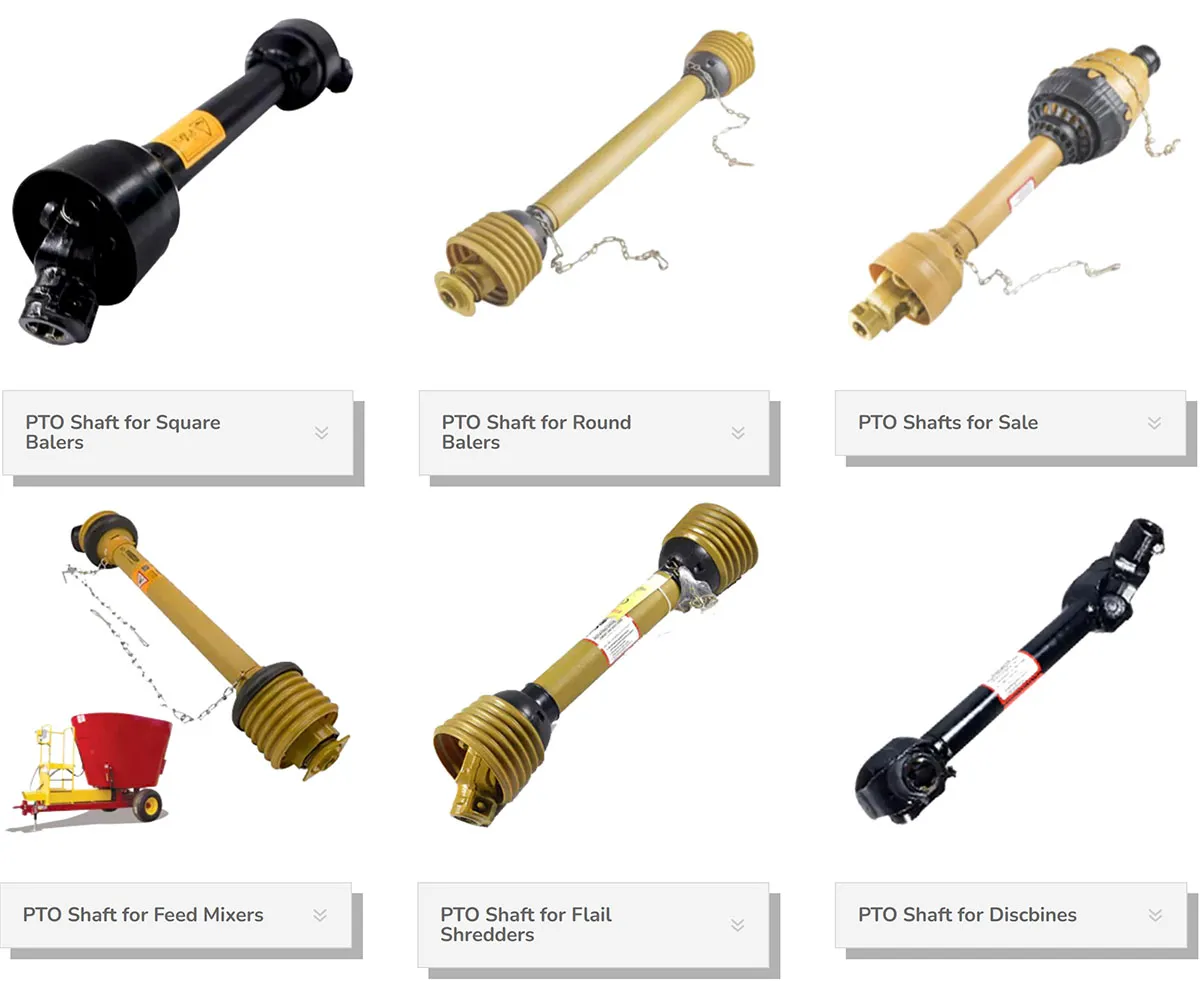
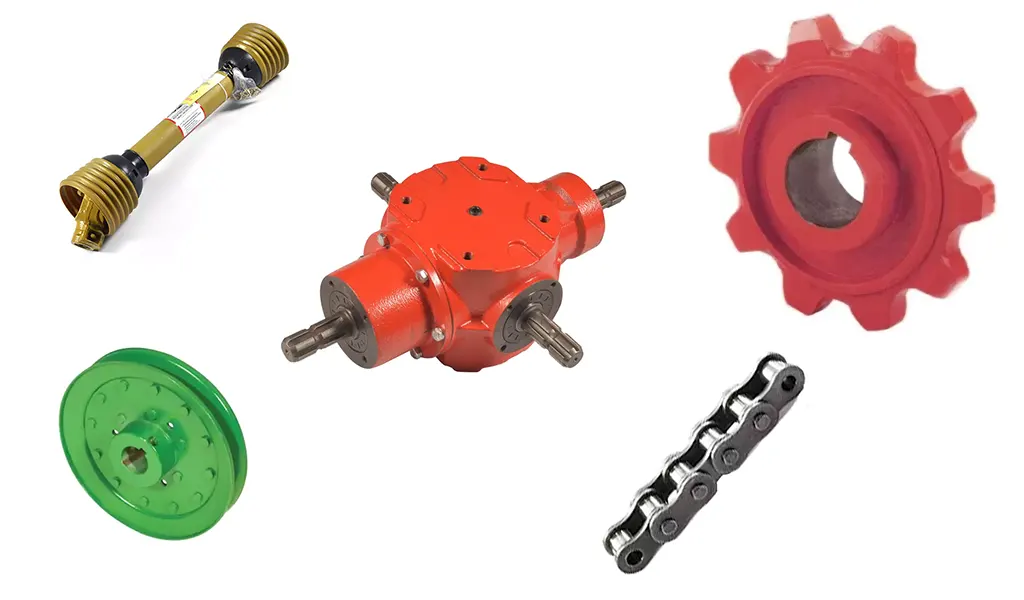
Drive Accessories
Hardened sprockets and corrosion-resistant chains for wet environments.
Ready to Waterproof Your Manure System?
Don’t let corrosion eat your profits. Upgrade to the agricultural gearbox designed for the toughest jobs in farming. Contact us for a custom consultation.
Editor: Cxm