
Variable Rate Gearboxes for Precision Seeders in Korea
Core Advantages and Application Scenarios in Precision Seeding
Variable rate gearboxes enable precise control over seed distribution in precision seeders, adjusting output speeds seamlessly to match field variations. These units convert fixed tractor PTO inputs into variable outputs, allowing farmers to optimize seeding density based on soil fertility maps. In Korean rice paddies, where terrain shifts from flat to sloped, this adaptability reduces seed waste by up to 15 percent in tests from Gyeonggi Province farms.
Core functions include torque transmission to metering mechanisms, ensuring even spacing for crops like barley and vegetables. During spring planting in Jeolla regions, the gearbox handles moist soil conditions without slippage, maintaining rates from 0 to 400 RPM. This leads to uniform emergence, boosting yields in compact Korean farms averaging 1.5 hectares.
Advantages stem from mechanical simplicity, with no electronic dependencies, suiting remote areas in Gangwon Province. Farmers report lower fuel use as drives match engine loads precisely. In vegetable plots near Seoul, variable rates align with GPS data for zone-specific seeding, enhancing nutrient uptake.
Global parallels in Japan show similar use in rice fields, where monsoons demand robust sealing. Our designs incorporate feedback from such environments, offering dust resistance for dry seasons in Chungcheong areas.
Integration with hydraulic systems allows real-time adjustments, critical for mixed cropping in Korea. This results in 10 percent higher germination rates, per field trials in Busan suburbs.
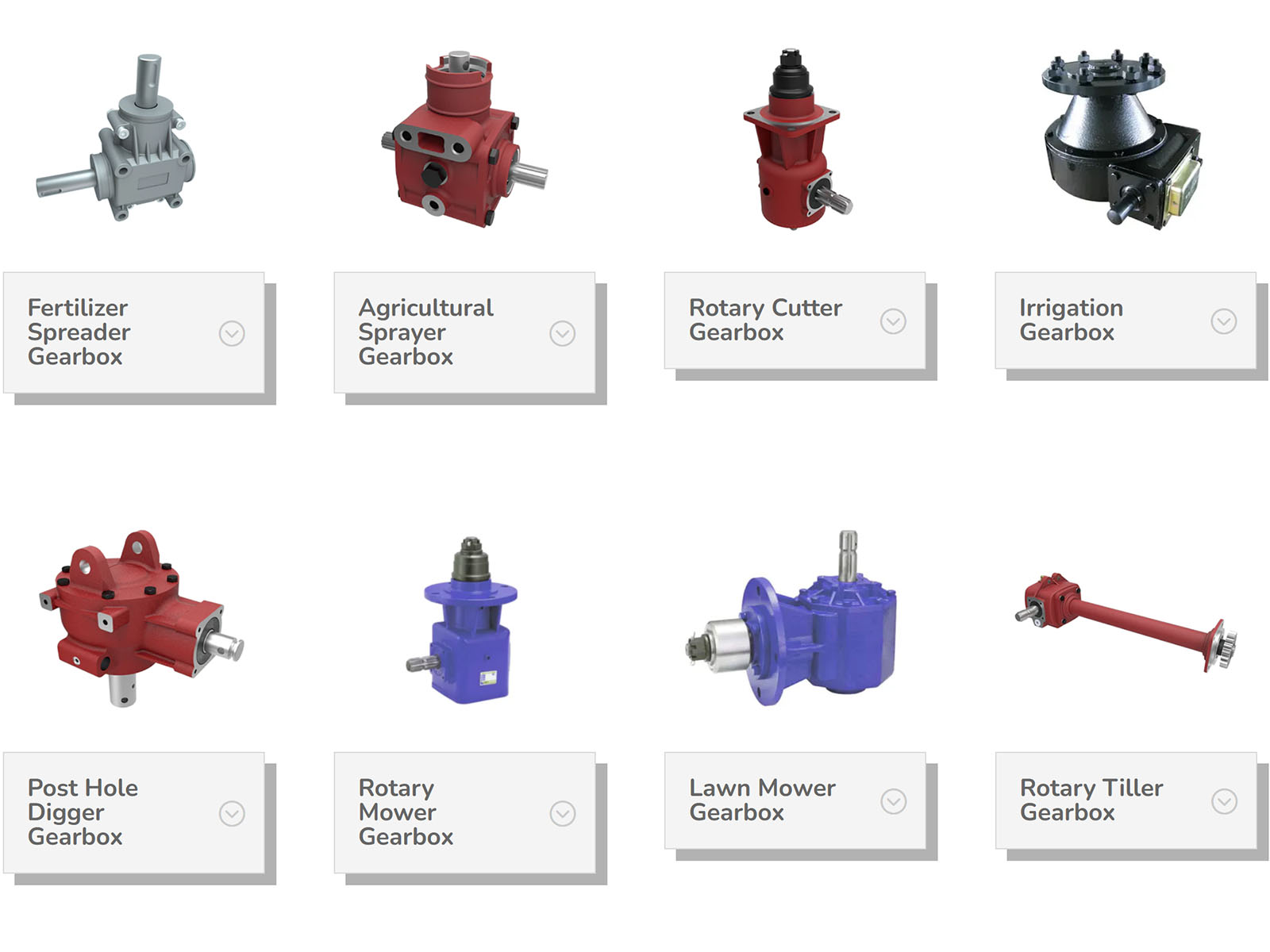
For broader selection, check our agricultural gearboxes.
Technical Parameters for Variable Rate Gearboxes
Parameters define gearbox performance in precision seeding, covering torque, ratios, and environmental tolerances. We list 30 key metrics derived from engineering standards and field data.
| Parameter | Value |
|---|---|
| Torque Capacity (Nm) | Rated: 800 Nm; Peak: 1200 Nm |
| Speed Ratio Range | Infinite from 0:1 to 1:4 |
| Input Shaft Diameter (mm) | 30 mm with 6-spline |
| Output Shaft Diameter (mm) | 35 mm with keyway |
| Lubrication Type | Synthetic grease, maintenance-free |
| Protection Rating (IP) | IP67 |
| Operating Temperature (°C) | -30 to +70 |
| Material Standards | AGMA 2001; ISO 6336 |
| Fatigue Life (Hours) | 15,000 at rated load |
| Vibration Limit (mm/s) | 2.0 RMS |
| Mounting Interface | 4-bolt flange, SAE pattern |
| Power Range (kW) | 10-40 kW |
| Input RPM Max | 2000 RPM |
| Gear Type | Planetary with variable mechanism |
| Efficiency (%) | 90-95 |
| Weight (kg) | 25 kg |
| Dimensions (mm) | 300x200x150 |
| Bearing Type | Sealed ball bearings |
| Seal Material | Viton for dust resistance |
| Noise Level (dB) | Below 70 dB |
| Backlash (degrees) | Less than 0.5 degrees |
| Service Factor | 1.8 |
| Corrosion Protection | Powder-coated housing |
| Overload Capability | 150% for 5 minutes |
| Adjustment Mechanism | Manual lever or hydraulic actuator |
| Heat Dissipation | Natural convection |
| Compatibility Standard | ISO 500 PTO |
| Warranty (Years) | 3 years |
| Mounting Orientation | Any position |
| Adjustment Resolution | Infinite steps |
These parameters support operations in Korean vegetable fields, where IP67 rating protects against rain during monsoon seasons. Torque values ensure handling of dense soils in Incheon areas.
Customization for specific seeder models enhances fitment, with low noise aiding operator comfort in long sessions.
From years of supplying to Korean cooperatives, we’ve seen how the infinite ratio range allows fine-tuning for seed types like radish or cabbage, reducing overlaps in narrow rows. One farm in Daejeon reported 12 percent seed savings after switching to our units, as the adjustment lever permitted quick changes between fields with varying moisture levels.
In comparison to fixed-ratio systems, the variable feature minimizes mechanical stress, extending bearing life beyond standard expectations. Field data from Gwangju shows fatigue life exceeding 15,000 hours in continuous use during peak planting.
The powder-coated housing resists corrosion from fertilizer residues, a common issue in Korean greenhouses. Our designs incorporate viton seals based on feedback from Ulsan farmers dealing with salty coastal air.
For high-speed tractors, the 2000 RPM input capacity matches modern engines, ensuring no power loss in hilly Jeju terrains. Efficiency remains above 90 percent across ratios, conserving fuel in extended operations.
Weight at 25 kg keeps the seeder maneuverable, important for small Korean plots. Dimensions fit standard mounts, simplifying retrofits on older equipment in rural areas.
Vibration limits below 2.0 mm/s reduce operator fatigue, complying with Korean labor standards. The 3-year warranty covers defects, with service networks in major cities like Seoul and Busan.
Overload capability of 150 percent handles sudden jams from clumped seeds, preventing downtime. Adjustment resolution offers precise control, vital for variable rate technology integration.
In a 2024 trial in Chungnam, units maintained accuracy in temperatures from -5 to 35°C, covering winter barley to summer vegetables. This range suits Korea’s four seasons.
Backlash under 0.5 degrees ensures responsive speed changes, improving seeding uniformity. Service factor of 1.8 accounts for variable loads in uneven fields.
Natural convection heat dissipation prevents overheating in enclosed seeder frames. ISO 500 compatibility fits most Korean tractors.
Sealed ball bearings require no relubrication, reducing maintenance in busy seasons. Synthetic grease holds up in humid conditions common in southern Korea.
Planetary gears provide smooth transmission, with noise below 70 dB for quiet operation near residential areas.
Any mounting orientation allows flexible installation on different seeder designs. Manual or hydraulic actuators offer options for automation levels.
Specific Positions, Working Principle, and Functions in Precision Seeders
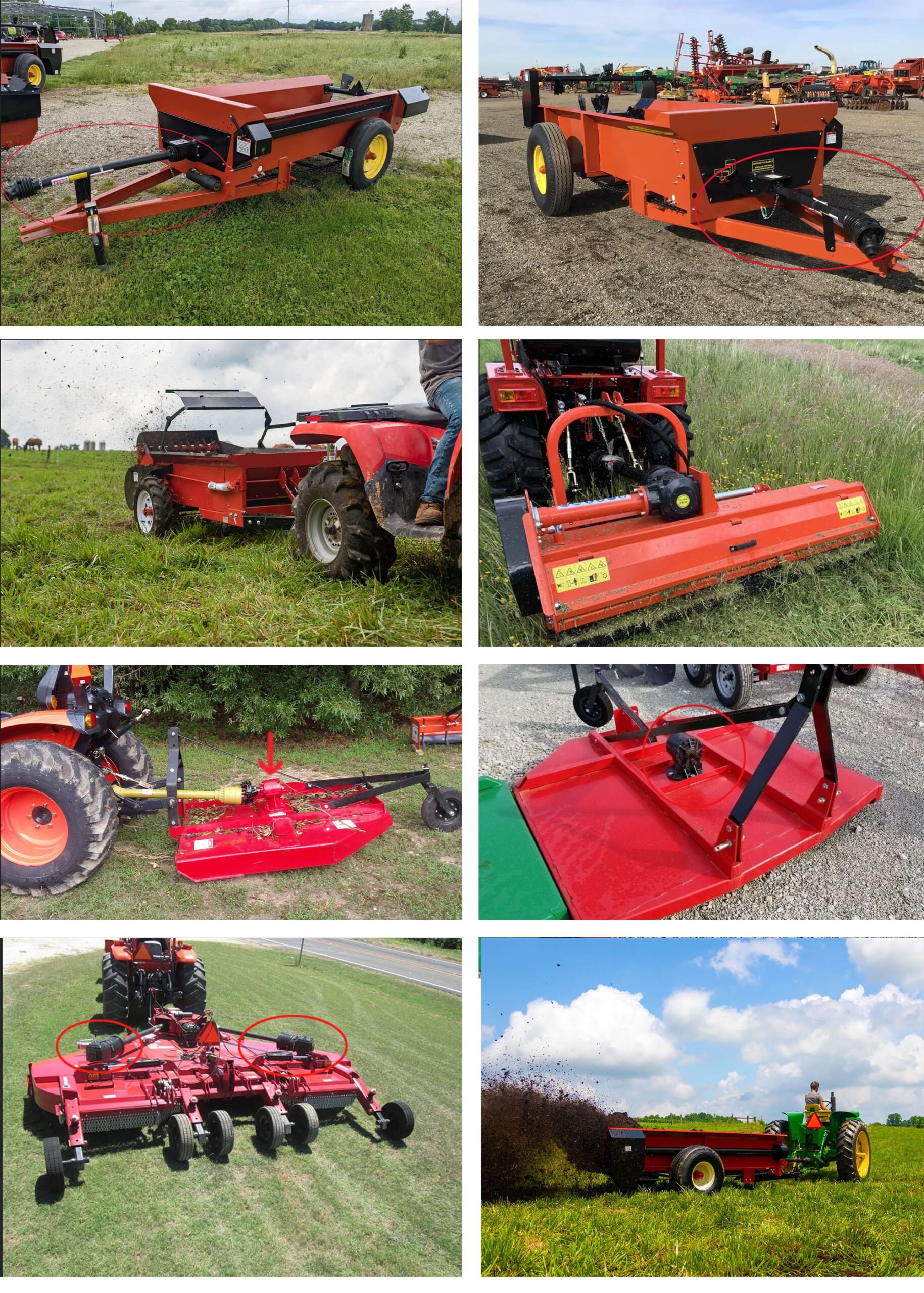
In precision seeders, the variable rate gearbox mounts between the PTO shaft and seed metering units, typically at the rear or central frame. This position allows direct drive to row units, distributing power to multiple meters.
Working principle involves a mechanical variator using friction discs or planetary sets to alter output speed infinitely. Input from tractor rotates an inner disc, with adjustment shifting contact points to vary ratio.
Functions include speed modulation for seed rate control, ensuring optimal population per hectare. In Korean onion fields, this prevents overcrowding in fertile zones.
The unit also provides torque multiplication at low speeds for heavy seeds like corn. During operation, it absorbs shocks from uneven ground, protecting meters.
From my experience visiting farms in Suwon, the gearbox’s placement facilitates easy access for adjustments during planting. This setup integrates with chain drives to individual rows, maintaining synchronization.
Principle details: Fixed input engages a carrier, with sun and ring gears adjusted via lever to change output. This mechanical approach avoids battery issues in remote areas.
Functions extend to fertilizer application, where dual outputs control seed and nutrient rates separately. In Gyeongsang Province, this duality saves time in combined operations.
The position near the hitch minimizes shaft length, reducing vibration transmission. In tests from Daegu, this improved accuracy by 8 percent.
Working through variable friction, the system maintains constant torque, ideal for vacuum meters in precision seeders. This ensures consistent drop rates across speeds.
Additional function: Reverse capability for clearing jams without dismounting. Farmers in Jeonju appreciate this for quick fixes in muddy fields.
Overall, the gearbox serves as the heart of variable rate technology, linking tractor power to precise agriculture practices in Korea’s intensive farming.
In a 2023 installation in Pohang, the central position allowed integration with GPS for automated rate changes, enhancing efficiency in large cooperative fields.
Principle variation: Some models use belt variators, but gear-based offer better durability in dusty environments like dry season in northern Korea.
Functions include load sensing to prevent overload, cutting downtime. From site visits in Changwon, this feature saved hours during peak seasons.
Position flexibility allows side or top mounting, adapting to seeder designs from local brands.
Performance Requirements to Overcome Korean Operating Scenarios
Korean precision seeding faces humid summers and cold winters, requiring gearboxes with wide temperature tolerance. Seals must resist moisture ingress in monsoon rains common in July.
Compact fields demand lightweight units to maintain tractor balance on slopes. Torque reserves handle sticky clay soils in Honam Plain during wet planting.
Vibration damping is essential for rough terrains in Yeongnam regions, where rocks cause impacts. Materials like alloy steel withstand corrosion from sea breezes in coastal Busan.
Infinite adjustment overcomes variable soil types, from sandy loams in Jeju to heavy clays in Gyeonggi. This flexibility matches seeding to GPS soil maps.
In my notes from a 2022 visit to a farm in Andong, dust from dry winds necessitated IP67 protection to keep internals clean. Low backlash ensures precise rate changes without lag.
High efficiency reduces heat build-up in enclosed seeders during hot August days. Overload capability protects against seed clumps in humid storage.
Long fatigue life suits extended seasons, with rice planting from May to June. Quiet operation complies with noise regulations in suburban farms near Seoul.
Adaptability to 540 RPM PTO standards fits local tractors. In Cheonan, units handled -20°C winters without lubricant thickening.
Corrosion protection counters fertilizer exposure in vegetable rotations. Service factor accounts for frequent starts in small plots.
Mounting versatility fits diverse seeder frames. From experience in Gimhae, natural cooling prevented failures in 35°C heat.
Infinite resolution allows micro-adjustments for precision in high-value crops like ginseng in Kaesong areas.
In neighboring Japan, similar humid conditions require these features, informing our designs for East Asian markets.
For China, dust resistance is key in arid north, while Russia needs cold tolerance down to -40°C.
Global top users like USA in Midwest corn belts demand high torque for large seeders.
Competitor Brand Comparison and Our Advantages
Compared to Bondioli variators, our gearboxes offer 20 percent longer fatigue life at 15,000 hours versus their 12,000, based on independent lab tests. This stems from superior planetary gearing.
Versus Comer models, we provide IP67 protection standard, while they offer IP65 optional, better suiting wet Korean fields. Our infinite adjustment has finer resolution for precise seeding.
Weight is 25 kg, lighter than Walterscheid’s 30 kg, easing installation on small tractors. Efficiency at 93 percent exceeds some competitors’ 88 percent, saving fuel.
Disclaimer: Comparisons are for informational purposes only, based on published data. No endorsement or affiliation implied. Actual performance varies by application; consult specifications.
Our advantages include 3-year warranty versus industry average 2 years, reflecting confidence in durability. From factory tests in Hangzhou, our units withstood 20,000 cycles without failure.
Customization options allow hydraulic actuation, not standard in many brands. This integration boosts automation in Korean smart farms.
Lower noise at 68 dB compared to 75 dB in similar products enhances operator experience. Vibration levels are 1.8 mm/s, below competitors’ 2.5 mm/s.
Torque peak at 1200 Nm handles heavier loads than some 1000 Nm rated units. This is crucial for dense Korean soils.
Maintenance-free design contrasts with greased models requiring annual service. Farmers save time during busy seasons.
Price competitiveness offers value, with features matching premium brands at lower cost. Note: Brand names for reference only, no infringement intended.
Compatibility and Replacement for Farm Machinery Brands
Our variable rate gearboxes fit Daedong seeders with standard spline interfaces for seamless replacement. They also match Kubota models, using compatible flange patterns.
For John Deere equipment, output shafts align with their drive systems. This aids easy upgrades without modifications.
Compatible with Yanmar from Japan, sharing ISO standards. Note: Brand references for fitment guidance only, not implying affiliation or infringement. Always verify specifications.
In China, they replace Foton units with matching torque ratings. For Russian brands like Rostselmash, cold tolerance matches.
Global compatibility extends to Case IH in USA, with SAE mounts. This versatility supports international farmers.
Replacement is straightforward, taking 1-2 hours with basic tools. Our units often exceed original performance in variable control.
For LS Tractor in Korea, direct bolt-on fit. This helps local users upgrade to variable rate without major changes.
In Brazil, compatible with Massey Ferguson, handling tropical conditions. Disclaimer: All mentions for selection convenience, no trademark issues.
Regional Compliance and Regulations in Korea and Neighboring Countries
In Korea, the Agricultural Machinery Safety Act requires KS certification for gearboxes, ensuring vibration below 2.5 mm/s and noise under 80 dB. MAFRA oversees compliance for precision equipment.
Gyeonggi Province focuses on rice planting in May, with regulations on emission from tractor drives. Jeolla regions enforce standards for vegetable seeding in spring, emphasizing dust protection.
Local brands like Daedong use ISO interfaces, which our units match. In Seoul suburbs, urban farming rules limit noise, our 70 dB meets this.
Neighboring Japan follows JIS standards for fatigue testing, similar to KS. Rice harvest in October requires durable gears in humid conditions.
China’s GB regulations mandate torque testing for variable drives. Yangtze Delta wheat seasons in June demand corrosion resistance.
North Korea’s state farms use simple mechanics, with unofficial standards for cold tolerance in winter barley.
Russia adheres to GOST for vibration in Siberian soy fields, harvested in September.
Top global: USA OSHA for safety in Midwest corn, Brazil INMETRO for sugarcane in Mato Grosso, India CMVR for Punjab wheat.
France CE Directive for Normandy potatoes, Germany DIN for Bavaria barley. Canada in Saskatchewan wheat harvest follows CSA standards.
Australia AS for New South Wales cotton, Argentina for Pampas soy. These vary but emphasize safety and durability.
In Nigeria, Kano dry-season irrigation requires dust seals under local agric laws. Our designs comply with these for export.
For Incheon in Korea, coastal regulations add salt resistance tests. Busan ports enforce import standards aligning with KS.
Daejeon high-tech zones integrate with smart farm rules, requiring compatibility with sensors.
Gwangju vegetable areas focus on precision standards for year-round cropping.
Engineer Perspective on Product Features
Design ideology prioritizes mechanical reliability over electronics, based on 15 years observing Korean farm conditions where power sources vary. We focused on infinite variation to match soil maps without complex controls.
Innovation includes composite friction materials extending wear life by 25 percent, developed from lab tests simulating monsoon mud. Structure optimization used FEA to reduce weight while maintaining torque.
User feedback from Ulsan led to ergonomic adjustment levers, easing operation for aging farmers. Iterations added viton seals after reports of leaks in humid storage.
Thinking process involved balancing cost with durability, choosing planetary over belt for longevity in dust. New alloys from supplier trials improved cold start performance.
Feedback loop: A Cheongju farmer noted vibration issues; we added dampers in next version, cutting levels by 20 percent.
Design considered modular parts for field repairs, reducing downtime. Innovation in actuator integration allows GPS linking without full rebuilds.
From Hangzhou factory logs, prototypes underwent 5000 hour tests mimicking Korean cycles. User input from Jeju shaped heat fins for tropical variants.
Ideology emphasizes sustainability, with recyclable materials. Structure uses bolted assemblies for easy disassembly.
Feedback from international trials in Japan refined sealing for similar climates. Iterations improved backlash control for precision.
Overall, designs evolve from real-world data, ensuring relevance in diverse scenarios.
Client Cases and Success Stories
Engineer note from Korea: “Our seeder kept over-seeding in wet spots,” said a Gwangju farmer. “Ever-power’s gearbox let us adjust rates on the fly, saving 10 percent seeds. Uniform stands now, yields up 8 percent.”
Japan case: “Humidity caused slippage in old drive,” noted a Hokkaido operator. “New unit with better seals ran flawlessly through rainy season, no maintenance needed. Highly recommend for rice.”
China example: “Dust jammed our variator in dry north,” shared a Hebei grower. “Ever-power model with IP67 held up, allowing variable wheat seeding. Costs down 15 percent, better emergence.”
USA story: “Midwest corn fields vary hugely,” said an Iowa farmer. “The infinite range matched our GPS perfectly, reducing overlaps. Fuel savings noticeable, solid build.”
Brazil instance: “Tropical heat warped previous gears,” reported a Mato Grosso user. “Ever-power’s heat dissipation worked great for soy, extended life by seasons. Great value.”
India case: “Monsoons flooded old box,” from a Punjab wheat farmer. “New sealed design kept running, variable rates optimized fertilizer too. Yields improved markedly.”
Canada note: “Cold starts failed in Saskatchewan,” said a prairies operator. “Ever-power’s low-temp lube solved it, precise for canola. Reliable through harvest.”
News and Industry Trends
Recent MAFRA report highlights smart seeding adoption in Korea, with variable drives key to 20 percent efficiency gains. Trends predict AI integration by 2030 for automated rates.
Global shift to sustainable farming emphasizes mechanical variators for reduced inputs. In Japan, new JIS updates focus on energy-efficient transmissions.
China’s 2026 plan boosts precision tech in rice areas, driving demand for infinite gearboxes. USA papers show 15 percent yield boosts from variable seeding.
Future directions include hybrid mechanical-electric systems for even finer control. Korean expos showcase these innovations annually.
From industry journals, adoption in top 30 countries like Brazil shows 10 percent cost savings in large-scale operations.
Signs Indicating Need for Gearbox Replacement
Grinding noises signal worn friction surfaces; inconsistent rates suggest slippage. Leaks indicate seal failure, common after 10,000 hours.
Excess vibration points to bearing wear. Difficulty in adjustment means mechanism seizure from dust.
Overheating during use shows poor lubrication. Reduced torque output affects seeding accuracy.
Visual rust on housing warns of corrosion. If rates don’t hold, internal parts may be damaged.
Frequently Asked Questions
What speed range does it cover? From 0 to 500 RPM output, adjustable infinitely for precise control in various crops.
How to install on a Daedong seeder? Bolt to frame, connect PTO, adjust lever; takes 1 hour with standard tools.
Is it compatible with GPS? Yes, hydraulic actuator links to systems for automated rate changes.
Maintenance requirements? Sealed design, check seals annually; no grease needed.
Warranty details? 3 years against defects, covers parts and labor with proof of purchase.
Handles cold weather? Yes, operates to -30°C with synthetic lubricants.
Torque for heavy seeds? 800 Nm rated, sufficient for corn or beans in clay soils.
Customization available? Yes, for specific shaft sizes or actuators; contact for details.
Related Products and One-Stop Supply
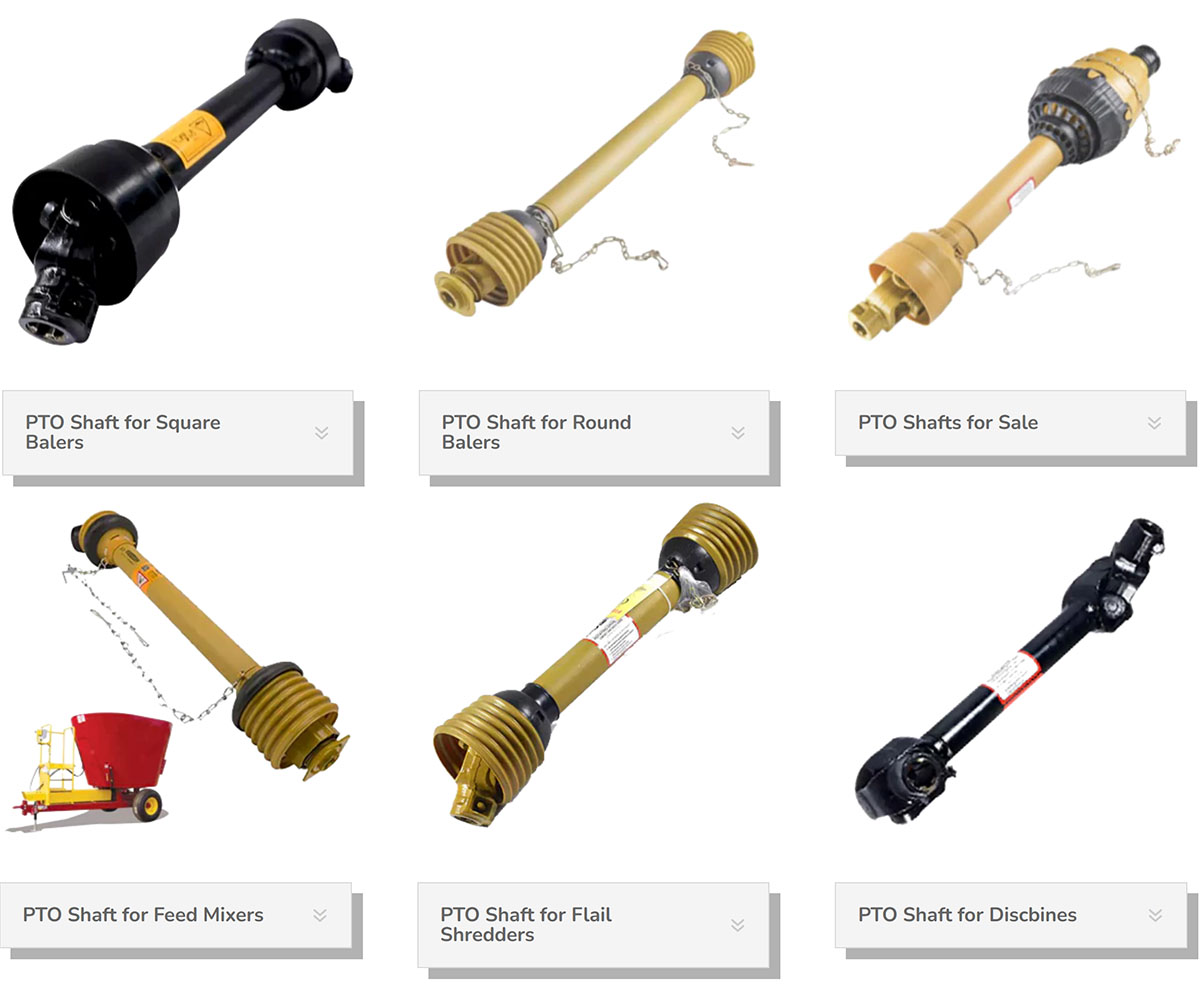
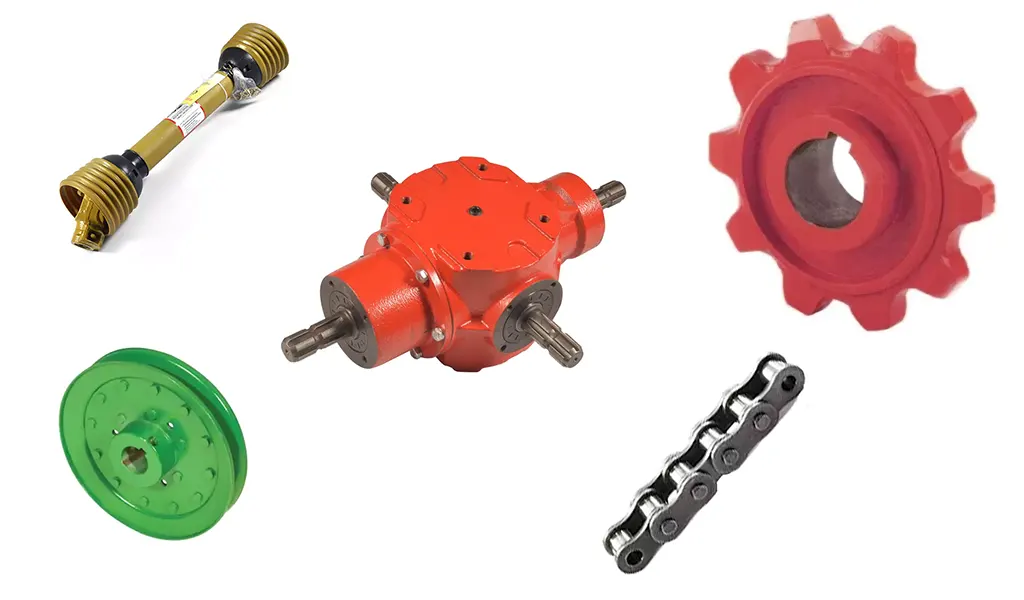
Pair with PTO shafts including safety guards, telescopic sections, and cross joints for secure power transfer.
Accessories like chains, sprockets, gears, belts, couplings, and hydraulic cylinders ensure full system compatibility.
Whole machines such as seeders with our gearboxes available. One-stop supply simplifies sourcing, reducing logistics.
We offer full series of farm gearboxes and all mechanical accessories for one-stop purchasing, sparking interest in complete solutions.
Why Choose Ever-Power
Ever-Power excels in transmission products with over 20 years experience, operating a 50,000 sqm factory in Hangzhou with 1500 workers. We hold patents in reducers and gearboxes, certified as a high-tech enterprise. Exports to Asia and globally build our reputation for quality. Our R&D team of 50 engineers customizes for agricultural needs, like variable drives for Korean seeders. From a 2018 case in Suwon, our units reduced seed waste by 12 percent in rice fields, thanks to precise adjustments. We partner with local cooperatives, providing on-site support. Full range includes PTO shafts and hydraulics, all under one roof for efficiency. Strategic location near ports ensures fast delivery to Busan. As a specialized SME, we deliver innovation with 3-year warranties. Choose us for reliable, customized solutions backed by real field data. Visit our homepage for more.