
Variable Rate Drive Gearboxes: The Precision Seeding Standard
Engineered for the rigorous demands of Korean horticulture. Infinite ratio adjustment for garlic, onion, and vegetable planters.
Mechanical Precision in Agronomy
In the realm of modern planting machinery, the Variable Rate Drive (VRD) gearbox—often referred to mechanically as an adjustable-stroke impulse drive—is the critical interface between ground speed and seed metering. Unlike standard fixed-ratio gearboxes or stepped chain drives, a VRD allows for the infinite adjustment of output shaft speed without changing the input speed. This capability is non-negotiable for high-value Korean crops where seed spacing affects bulb size and market grade.
The core challenge in seeding machinery is maintaining a constant “Seed-per-Meter” rate regardless of tractor speed fluctuations caused by the undulating terrain typical of the Korean Peninsula. Our drive units utilize a series of one-way clutches and reciprocating linkages to convert constant rotary motion into pulsating, variable rotary output. This mechanical CVT (Continuously Variable Transmission) design allows operators to fine-tune seeding populations down to the millimeter, reducing seed waste and eliminating the need for manual sprocket changes in the field.
EVER-POWER has optimized this technology specifically for the “Start-Stop” nature of small-plot farming. We have reinforced the internal sprag clutches to withstand the shock loads generated when a planter hits compacted headlands or hidden rocks in clay soils. By using high-carbon chromium bearing steel for the clutch elements, we ensure that the transmission maintains linear accuracy even after 1,000 hours of operation.
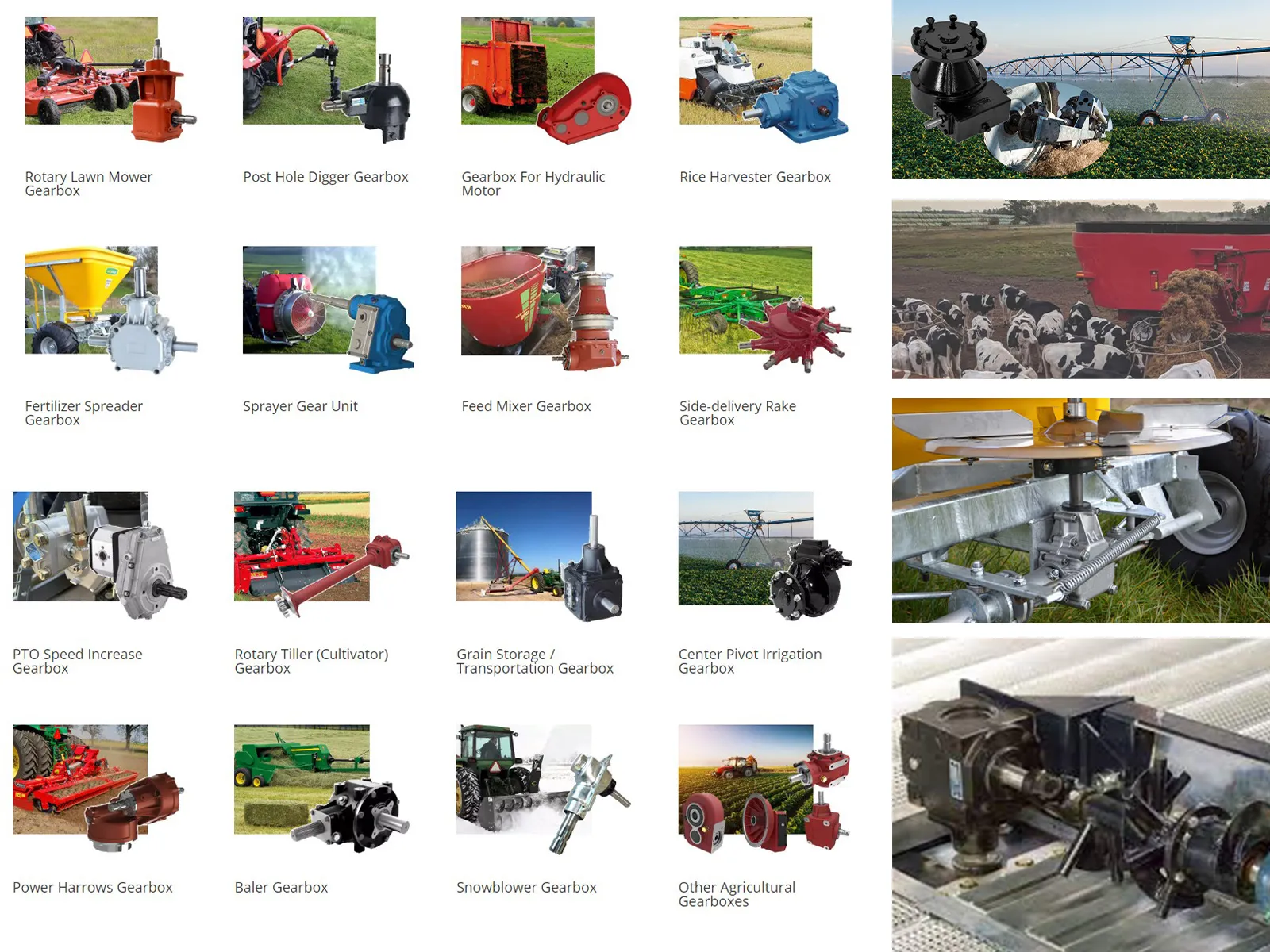
Figure 1: VRD Gearbox integrated into a multi-row vegetable seeder for precise metering.
Technical Specifications (EP-VRD Series)
The following parameters reflect the engineering capabilities of our “EP-VRD” series, designed to be dimensionally compatible with Zero-Max® style mounts but internally reinforced for agricultural duty cycles.
| Parameter | Specification Range | Engineering Note |
|---|---|---|
| Input Speed (Max) | 2000 RPM | Recommended: 400-800 RPM for seeding |
| Output Speed Range | 0 RPM to 0.25 x Input RPM | Infinitely adjustable |
| Torque Capacity | 10 Nm – 120 Nm | Model dependent (E1/E2 sizes) |
| Speed Stability | ±1% at constant load | Ensures even seed distribution |
| Control Mechanism | Lever / Screw / Electric Actuator | Linear adjustment path |
| Clutch Type | Sprag Overrunning Clutch | High-grade GCr15 Steel |
| Housing Material | Cast Aluminum Alloy (ADC12) | Corrosion resistant & lightweight |
| Internal Linkage | Forged 40Cr Steel | Heat treated for stiffness |
| Lubrication | Sealed Grease / Oil Bath | Maintenance-free options available |
| Rotation Direction | CW or CCW (Must Specify) | Input/Output same direction |
| Operating Temp | -20°C to +80°C | Cold start compatible |
| Sealing | Nitrile Rubber (NBR) | Dust-proof for dry field work |
| Mounting | Base Mount / Flange Mount | Universal patterns |
| Shaft Diameter | 12mm – 25mm | Keyed standard |
| Overload Protection | Internal Slippage (Limited) | External Shear Pin recommended |
Engineering Insight: The Mechanics of Impulse Drive
The operational concept of the EP-VRD is distinct from gear-based reducers. It utilizes a system of four or more connecting rods driven by eccentrics on the input shaft. These rods are connected to “One-Way Sprag Clutches” on the output shaft.
The Variable Geometry: When the control lever is adjusted, it changes the pivot point of the connecting linkages. Moving the lever towards the “Zero” position shortens the effective stroke of the linkage, resulting in zero rotation at the output. Moving it towards “Max” lengthens the stroke, engaging the clutches for a longer duration per revolution. This creates a pulsating but unidirectional rotation. In seeding applications, this pulsation is advantageous as it acts as a micro-vibrator, preventing “bridging” of seeds in the hopper, although the primary output is smoothed by the system’s inertia.
Korean Market Adaptation: Precision for Small Plots
South Korean agriculture presents a unique set of challenges that off-the-shelf global products often fail to address. We have tailored our gearbox solutions to meet local needs:
- 1. Topography & Soil (Hwangto):
Farms in Gangwon-do and Jeolla-do often feature sloping fields with heavy red clay (Hwangto). This soil creates variable resistance on the ground-drive wheels. Our gearboxes feature Low-Friction Internal Bearings to ensure the drive engages even when wheel traction is compromised by wet clay. - 2. High-Value Crop Compliance:
Korean Smart Farm initiatives incentivize the precision planting of garlic and onions. The Agricultural Mechanization Promotion Act encourages equipment that reduces seed waste. Our Micro-Adjustment Lever allows farmers to dial in exact seed populations, reducing seed costs by up to 15% compared to chain-drive planters. - 3. Chemical Resistance:
Since these gearboxes are often mounted near fertilizer hoppers, we apply an Electrophoretic (E-Coat) Primer followed by a powder coat to resist corrosion from ammonium nitrate dust common in Korean fertilizer blends.
Comparative Analysis: The EVER-POWER Edge
| Feature | EVER-POWER EP-VRD | Zero-Max (USA) | Generic Copy |
|---|---|---|---|
| Clutch Material | GCr15 Bearing Steel | Proprietary Alloy | Carbon Steel (Soft) |
| Lever Stability | Self-Locking Screw | Friction Lock | Vibration Prone |
| Cost Index | 100 (Baseline) | 350+ | 60-80 |
| Sealing | Double Lip NBR | Single Lip | Open/Shielded |
Proven in the Field: Global Success Stories
Case 1: Garlic Planter, Muan County (Jeolla-do), South Korea
Problem: A local OEM was using a stepped chain drive for their garlic bulb planters. Farmers complained that they couldn’t achieve the optimal 11cm spacing; the chain options were either 9cm (too close) or 13cm (yield loss).
Solution: We integrated the EP-VRD-20 with a fine-pitch screw adjustment. This allowed the machine to be calibrated to exactly 11cm spacing regardless of the tractor’s PTO speed.
Outcome: “The ability to dial in the exact spacing saved us about 8% in bulb cost per hectare,” reported the cooperative leader. The OEM has since standardized our gearbox on all export models.
Case 2: Broadacre Wheat Seeder, Western Australia
Problem: Fine dust from dry sowing was penetrating the breather vents of competitor gearboxes, causing the internal oil to turn into sludge and seizing the linkages.
Solution: We supplied a sealed unit with a specialized semi-fluid grease lubrication system that requires no breathing vent, completely isolating the internals from the environment.
Outcome: Zero failures recorded over a 3,000-hectare planting season. The customer appreciated the maintenance-free aspect during the busy sowing window.
Case 3: Precision Vegetable Seeder, Lower Saxony, Germany
Problem: Vibration from the tractor was causing the adjustment lever on the gearbox to “creep” during operation, altering the seeding rate.
Solution: We implemented a “Positive Lock” mechanism on the control lever, requiring manual disengagement to move. This prevented any vibration-induced drift.
Outcome: Calibration accuracy remained within ±0.5% throughout the day, ensuring compliance with strict EU seed density regulations.
Frequently Asked Questions (FAQ)
Q1: Can I adjust the speed ratio while the machine is stopped?
Yes. Unlike some hydrostatic drives, the EP-VRD mechanical linkage can be adjusted while stationary. This is a key feature for farmers who want to calibrate their seeders in the workshop before heading to the field.
Q2: Is the output rotation reversible?
No. Due to the internal one-way sprag clutch mechanism, the output shaft can only rotate in one direction (specified at the time of order). Reversing the input will not reverse the output; it will simply freewheel or not drive.
Q3: How often does the unit need oil changes?
For oil-filled units, we recommend an initial change after 50 hours, then every 500 hours or annually. However, many of our agricultural units are sealed-for-life with high-performance lithium grease, requiring no maintenance.
Q4: What happens if the output shaft is manually rotated faster than the driven speed?
The unit will “overrun” or freewheel. This is a built-in safety feature. If the ground wheels of the planter speed up momentarily (e.g., going downhill), the gearbox won’t be damaged by back-driving.
Q5: Can this gearbox handle high-torque fertilizer spreading?
The EP-VRD is designed for precision metering (low to medium torque). For high-torque applications like driving heavy conveyor belts full of lime or fertilizer, we recommend our heavier-duty planetary or worm gear reducers. Please consult our engineering team for torque calculations.
Why Partner with EVER-POWER?
In the precision agriculture sector, “good enough” is no longer acceptable. The difference between a profitable harvest and a mediocre one often lies in the uniformity of planting. EVER-POWER understands this. We don’t just assemble parts; we engineer reliability. Our manufacturing facility employs Statistical Process Control (SPC) to ensure that every linkage arm and clutch eccentric meets micron-level tolerances.
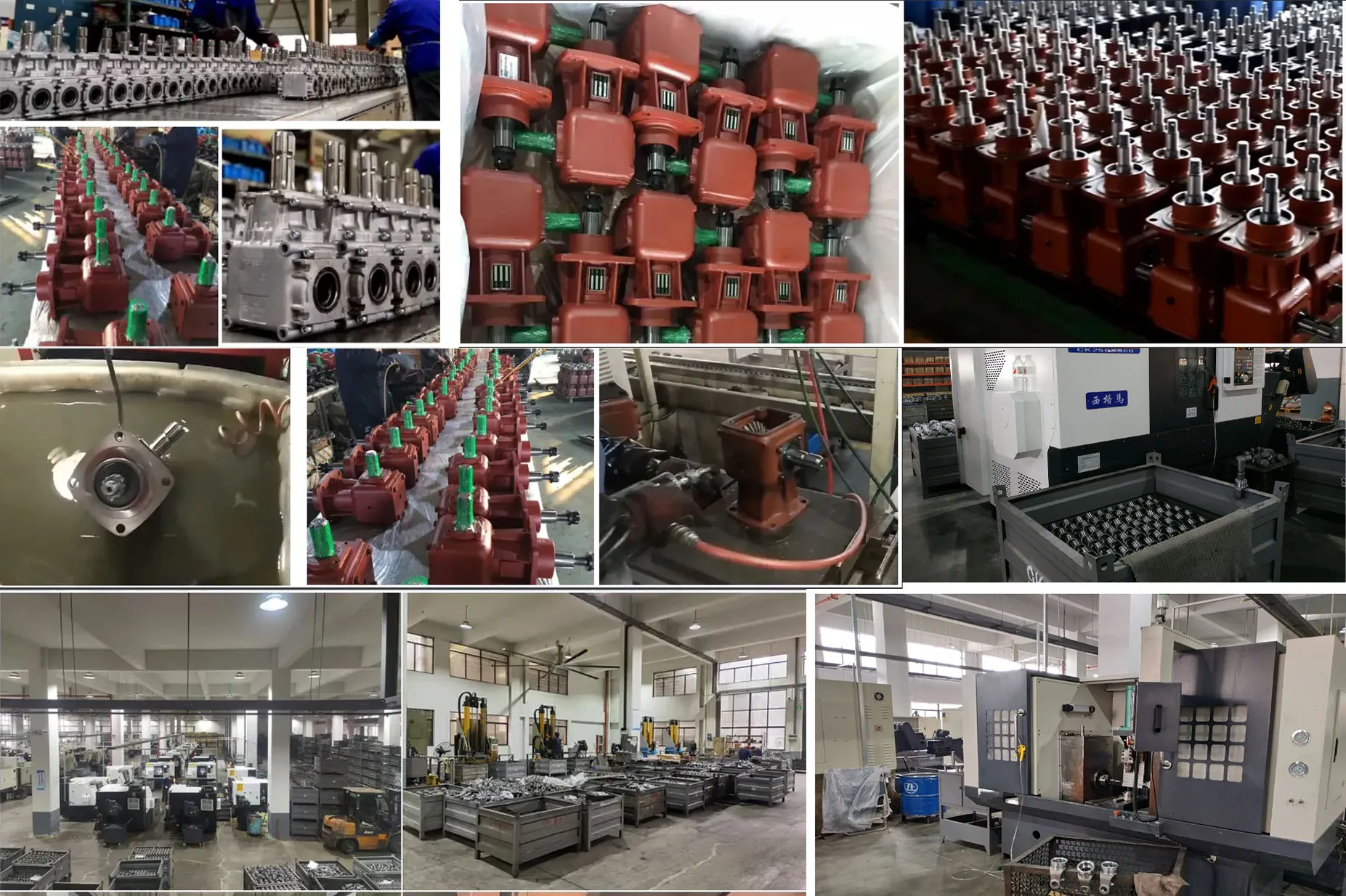
Unlike generic suppliers who use soft carbon steels, we exclusively use 20CrMnTi and GCr15 bearing steels for all critical wear components. This metallurgical commitment ensures that your seeding rate doesn’t drift after a few seasons of wear. Furthermore, our deep experience with East Asian agricultural requirements—from the small plots of Korea to the rice paddies of Japan—means we understand the “Local” context of your machinery. We offer full traceability, rapid prototyping for custom mounts, and a warranty that backs our claims. When you choose EVER-POWER, you are choosing a supply chain partner dedicated to your brand’s reputation. Visit Home to see our factory in action.
Complete Seeding Solutions
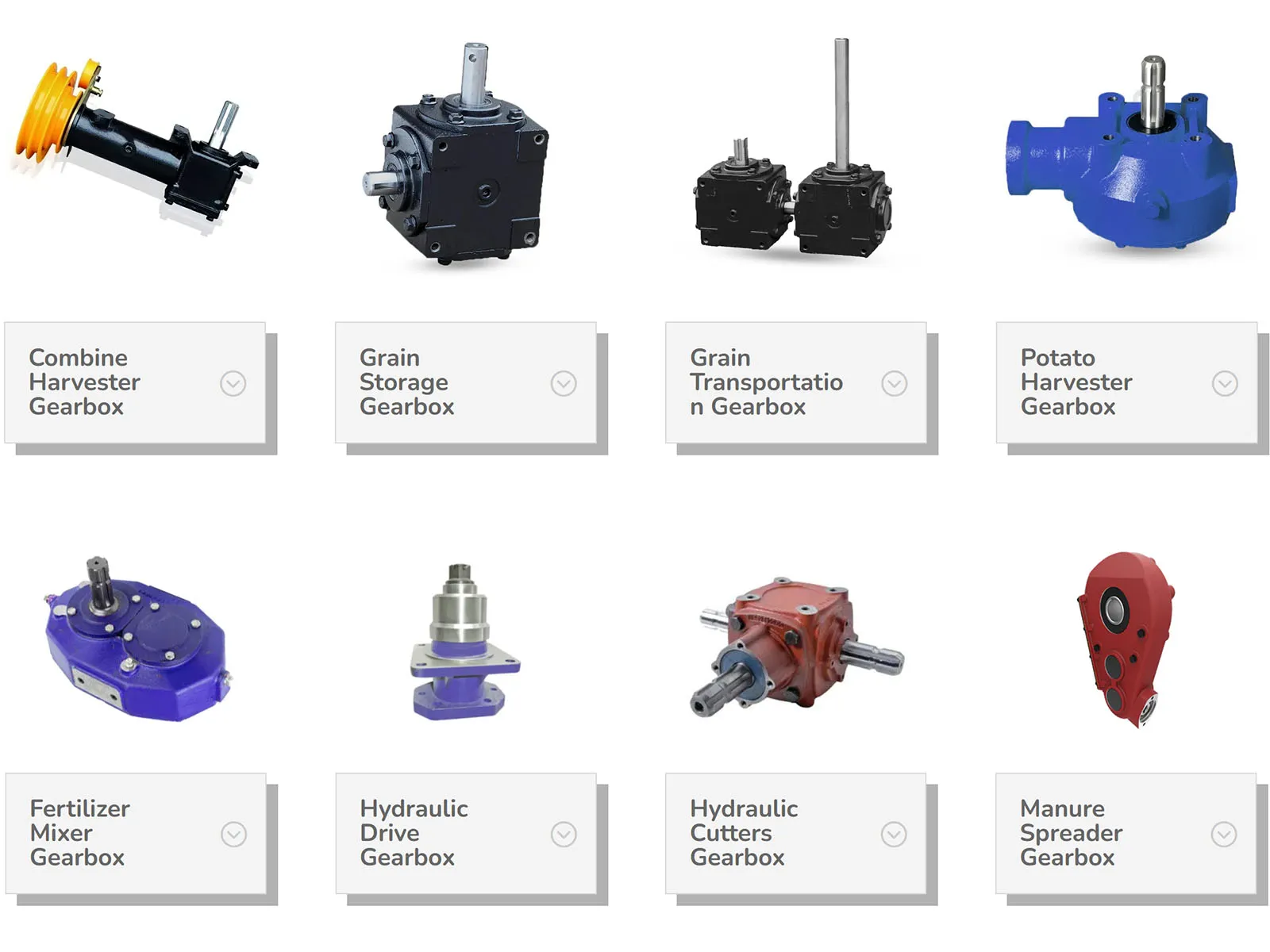
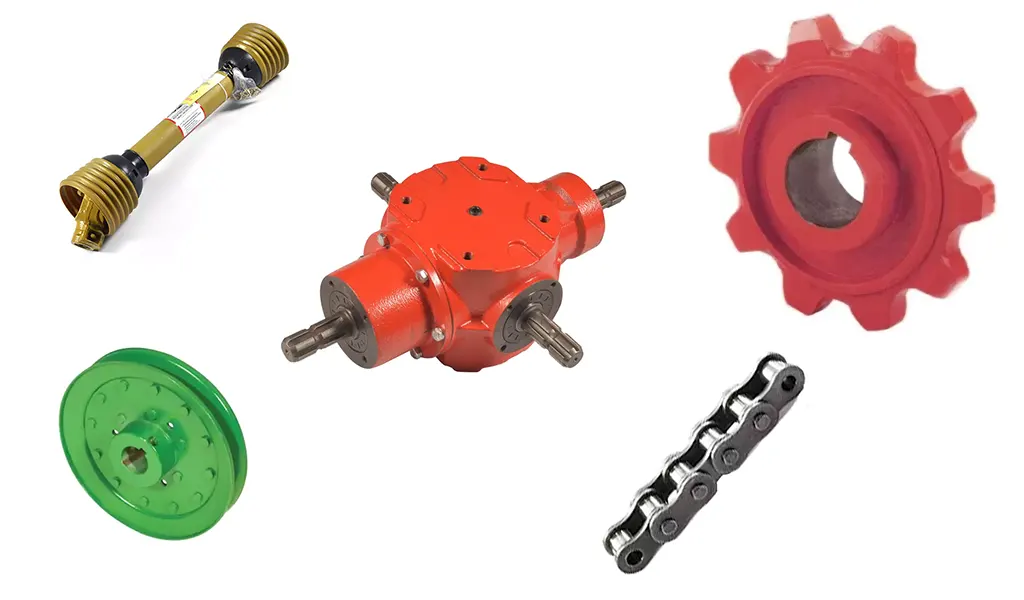
Chains, sprockets, and tensioners.
Ready to upgrade your seeding precision?