
Precision Rotary Valve Gearbox Solutions for Pneumatic Feeder Systems
Engineered for the rigorous demands of Recirculating Aquaculture Systems (RAS) and offshore cage farming. Delivering constant torque to maintain the critical air-lock seal in high-pressure feed lines.
The Critical Role of the Rotary Valve Gearbox in Pneumatic Feeding
In modern aquaculture, specifically within centralized pneumatic feeding systems found in South Korea’s advanced flatfish farms and Norwegian salmon sectors, the efficiency of feed delivery relies entirely on the integrity of the rotary valve (often called a star feeder). This component sits at the precise intersection between the feed silo (atmospheric pressure) and the transport pipe (high positive pressure generated by Roots blowers).
The rotary valve gearbox is the muscle behind this operation. Its primary function is not merely to turn the rotor, but to maintain a consistent dosing rate while overcoming the significant resistance caused by the pressure differential. If the gearbox fails or fluctuates in speed, the “air-lock” effect is compromised. This leads to high-pressure air rushing back into the silo, causing feed fluidization, bridging, and potentially dangerous dust accumulations.
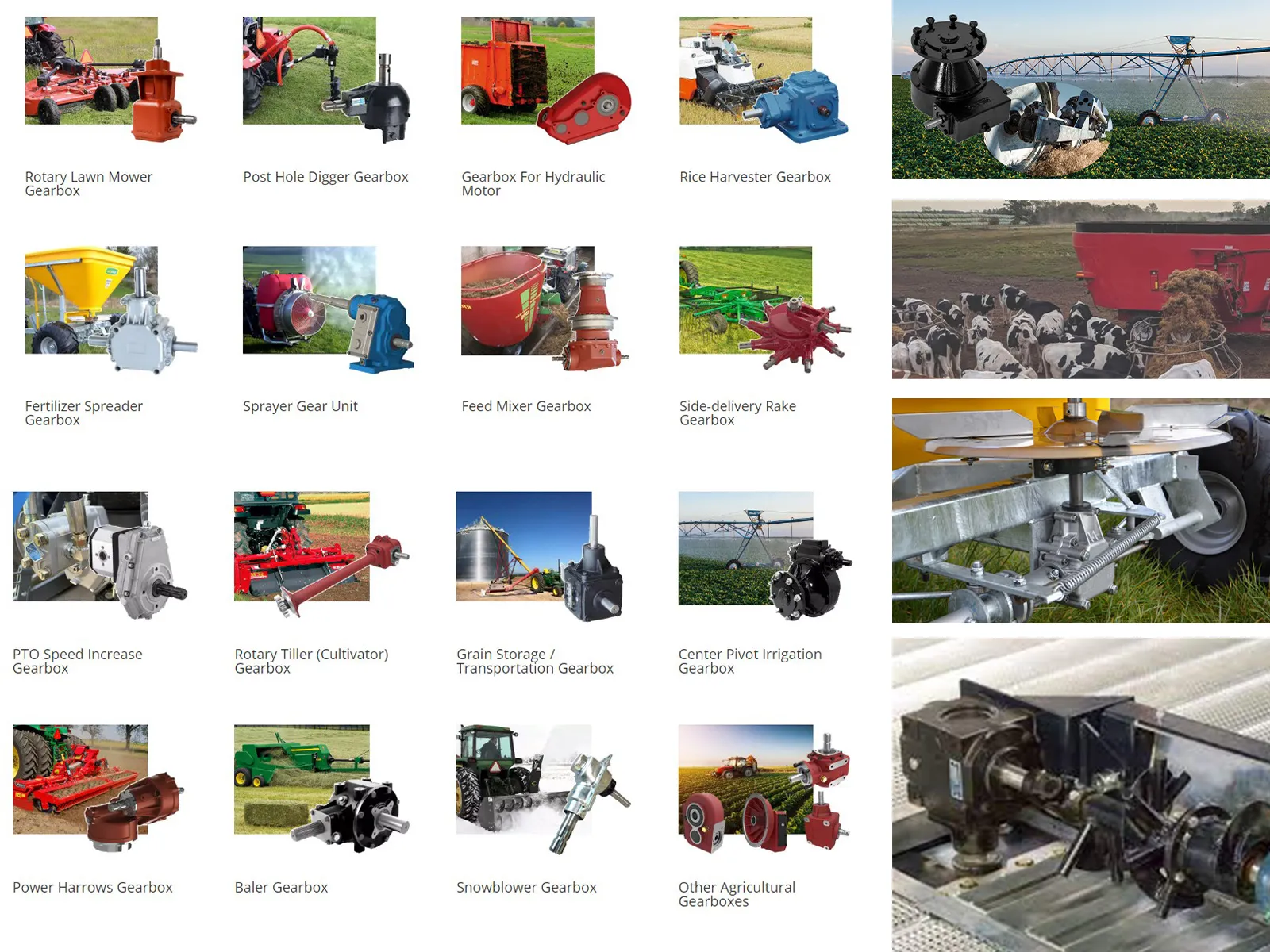
Unlike standard industrial applications, a rotary valve gearbox in an agricultural or aquaculture setting must endure corrosive salt-laden air, high humidity, and 24/7 operation cycles during peak feeding seasons. We utilize a Parallel Shaft Helical Gearbox design for this application. This architecture is chosen over worm gears for its superior efficiency (96%+) and thermal stability, ensuring that the heat generated by the gearbox does not transfer to the feed pellets, which could otherwise cause the oils in the feed to degrade.
Technical Specification Matrix: Series RV-Agri
Our star feeder gearbox units are dimensioned to replace standard European and Asian drives used in aquaculture. The following specifications outline the operational capabilities of our Parallel Shaft Helical units designed for 3-inch to 12-inch rotary valves.
| Parameter | Specification Range | Engineering Note |
|---|---|---|
| Gear Layout | Parallel Shaft Helical (2 or 3 Stage) | Maximizes torque density in a slim profile. |
| Output Torque | 150 Nm to 2,800 Nm | Sized to shear through bridged pellets. |
| Reduction Ratio | 10:1 to 120:1 | Typical rotor speeds: 15-40 RPM. |
| Shaft Material | 42CrMo4 (Chromium Molybdenum) | Quenched and tempered for fatigue resistance. |
| Gear Hardness | 58-62 HRC | Carburized and ground for low noise (<65dB). |
| Housing Material | Cast Iron HT250 or Aluminum Alloy | C4 Marine Grade Painting available. |
| Sealing System | Double Lip FKM (Viton) | Resistant to saline mist and chemical cleaning. |
| Lubrication | Food Grade Synthetic Oil (H1) | Required for RAS compliance. |
| Mounting Interface | Hollow Shaft with Torque Arm | Direct mount prevents misalignment. |
| Efficiency | > 95% | Reduces energy consumption on offshore barges. |
Adaptation for the South Korean Aquaculture Market
South Korea is a global leader in “Smart Fish Farming,” with significant operations in Jeollanam-do (Wando, Yeosu) and Jeju Island. The specific environmental conditions here present unique challenges for mechanical components. The cultivation of Olive Flounder and Abalone often requires precise, frequent feeding of smaller pellets, which increases the duty cycle of the star feeder gearbox.
Compliance with Local Standards
Our gearboxes are designed to align with the safety protocols established by the National Institute of Fisheries Science (NIFS) in Korea. This includes:
- Corrosion Resistance: Given the proximity to the Yellow Sea and the Korea Strait, our units intended for Korea feature an upgraded epoxy primer coating tested to withstand 1000 hours of salt spray, surpassing standard agricultural requirements.
- Electrical Compatibility: Motors coupled to our gearboxes are available in IE3 efficiency classes with 220V/380V 60Hz windings standard for the Korean grid.
- Food Safety: We supply USDA H1 certified food-grade lubricants as a standard option for Korean clients to meet stringent eco-friendly farming certifications.
Furthermore, the integration of automation systems (like those from local Korean integrators) demands that our gearboxes have zero backlash. We machine our output shafts to strict H7 tolerances to ensure a perfect interference fit with the rotary valve rotor, eliminating the “slop” that causes metering errors in automated systems.
Global Application Cases: Solving the “Feed Jam”
Case 1: Offshore Salmon Farm (Gangwon-do, South Korea)
The Challenge: A newly established offshore salmon farm faced repeated gearbox failures on their 90mm pneumatic lines. The strong winter winds and wave motion caused vibrations that transmitted back to the feed barge. The existing worm gearboxes were overheating and leaking oil due to seal fatigue.
The Solution: We replaced the drive units with our Series F Parallel Shaft Helical Gearboxes. We utilized a reinforced bearing arrangement on the output shaft to absorb the radial loads caused by the barge movement.
The Result: The new units have operated for 18 months without a single seal failure. The lower operating temperature (60°C vs. 85°C previously) also extended the oil change interval from 3 months to 12 months.
Case 2: RAS Hatchery Facility (Busan Area)
The Challenge: A land-based RAS facility for Halibut was experiencing inconsistent feed rates. The original “agricultural pto gearbox” style adapters they jury-rigged were not providing constant speed, leading to uneven growth rates in the fry.
The Solution: Installation of a precision rotary valve gearbox with a high reduction ratio of 60:1, coupled with a VFD (Variable Frequency Drive). The helical gears provided a smooth, non-pulsating torque output.
The Result: Feed distribution accuracy improved by 15%, directly correlating to a more uniform fish size at harvest. The noise level in the facility also dropped significantly, improving the working environment.
Case 3: Shrimp Farm Aeration & Feeding (Vietnam – Neighboring Market)
The Challenge: High humidity and tropical heat caused rapid corrosion of standard gearboxes. Feed dust was entering the breather vents, turning the oil into sludge.
The Solution: We deployed our tropicalized version featuring stainless steel hardware and a sintered bronze filter breather to prevent dust ingress. While not an agricultural pto gearbox, this unit shares the same rugged DNA.
The Result: Maintenance downtime was reduced by 40%. The customer has since standardized this gearbox model across all 50 ponds.
Why Choose EVER-POWER for Your Feed Systems?
Choosing the right transmission partner is as critical as selecting the right feed formulation. At EVER-POWER, we bridge the gap between heavy industrial transmission and the specific needs of the agricultural and aquaculture sectors.
1. Manufacturing Precision: Unlike generic gearbox suppliers, we understand that a rotary valve is a metering device. Our gears are ground to DIN Class 6 standards, ensuring that the rotation is perfectly smooth. This precision prevents the “stuttering” that can crush expensive feed pellets into dust, preserving the feed conversion ratio (FCR).
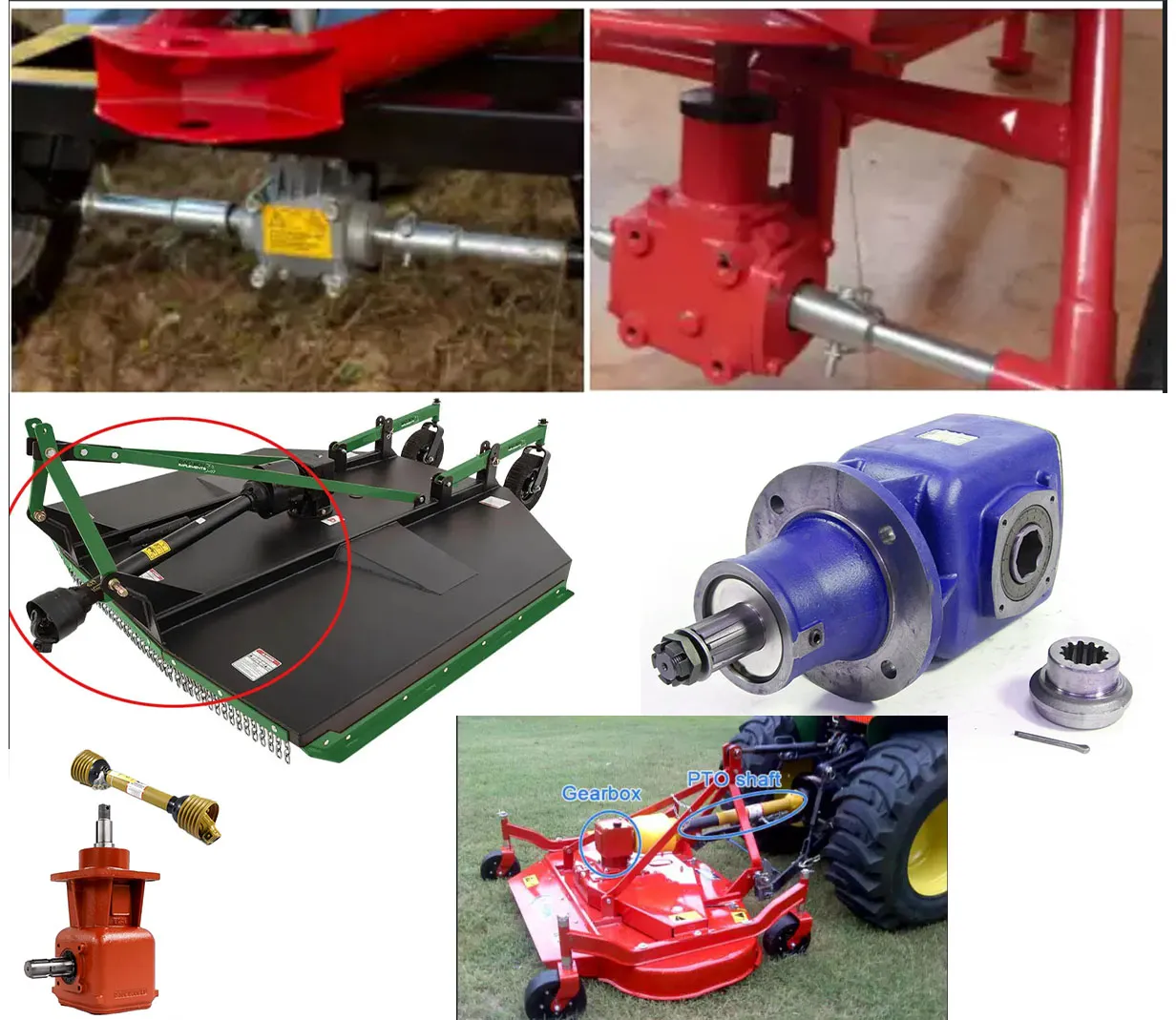
2. Material Integrity: We do not cut corners on metallurgy. Our shafts are forged, not cast, ensuring they can handle the shock loads if a foreign object (like a bolt or large stone) accidentally enters the feeder. While we are famous for our agricultural gearbox lines used in soil tillage, we apply the same “farm-tough” philosophy to our precision marine units.
3. Comprehensive Testing: Every rotary valve gearbox undergoes a leak test and a load test before leaving our factory. For our Korean partners, we provide specific inspection reports verifying the output speed and torque characteristics match the requested parameters exactly.
Frequently Asked Questions (FAQ)
Yes. Our service factor calculation typically allows for 150-200% momentary overload. If a pellet jams the rotor, the gearbox has enough torque reserve to shear the pellet or withstand the shock until the motor overload protection trips. It is far more robust than a standard worm drive.
Absolutely. Feed dust is combustible. We can supply ATEX-compliant gearboxes (Zone 21/22) suitable for dusty environments, ensuring that the surface temperature of the gearbox never exceeds safe limits.
An agricultural PTO gearbox typically takes high-speed input (540 RPM) from a tractor and is designed for intermittent, high-shock use. The star feeder gearbox is driven by an electric motor, runs continuously, and requires much higher precision for metering. However, both share our commitment to durability.
Regular oil checks are vital. We recommend checking the oil level monthly and inspecting the shaft seals for any signs of hardening due to salt exposure. The breather vent should be cleaned or replaced every 6 months to prevent internal pressure buildup.
Yes, but please inform us during ordering. Vertical mounting requires a different lubrication configuration (e.g., a grease-packed upper bearing or an oil expansion tank) to ensure the top bearings are not starved of lubrication.
Related Agricultural & Marine Drivetrain Solutions
Beyond pneumatic feeding, we offer a full suite of transmission solutions:
- PTO Shafts
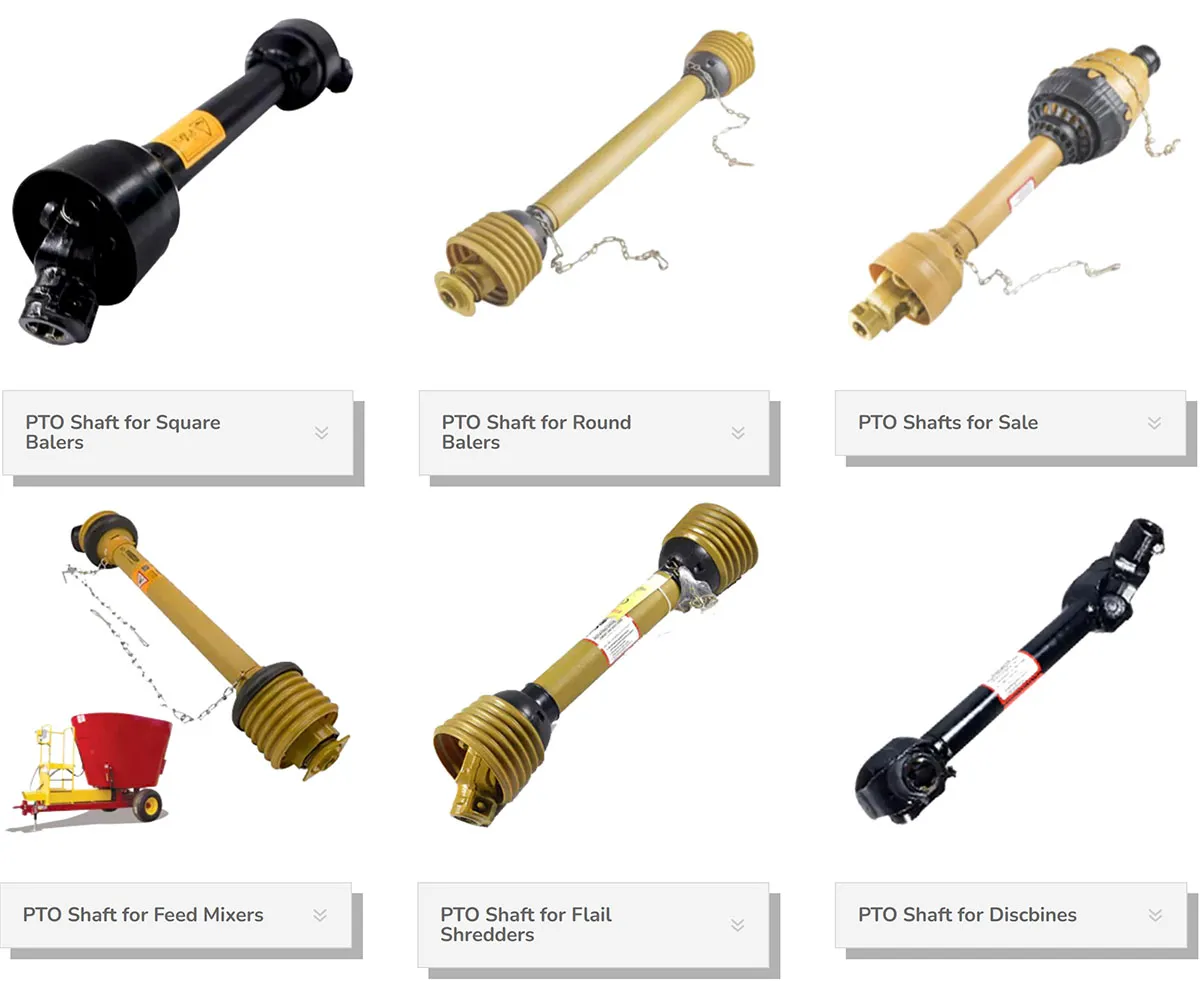
Heavy-duty drive shafts with safety guards for tractor implements.
Ready to Optimize Your Aquaculture Feeding System?
Contact EVER-POWER today for a technical consultation. We can help you select the perfect gearbox to ensure reliable, efficient feed delivery for your stock.
Editor: Cxm