Precision Rotary Actuators for Automated Feed Pushers | Korea Market
High-Torque, Sealed Transmission Solutions for Smart Dairy Farming Robotics
Operational Dynamics: The Heart of the Feed Pusher
In the evolving landscape of modern dairy farming, the automated feed pusher has transitioned from a luxury to a necessity, particularly in high-density farming regions like South Korea. The efficacy of these robots relies heavily on the agricultural gearbox hidden within the chassis. Unlike the high-speed requirements of a harvester, a feed pusher demands a rotary actuator capable of delivering consistent, low-speed torque to navigate heavy piles of TMR (Total Mixed Ration) silage while maneuvering across slippery, manure-covered concrete floors.
The rotary actuator serves two critical functions in this application. First, it drives the skirt or auger mechanism that physically displaces the feed back toward the fence line. Second, in differential drive systems, it provides the precise wheel control necessary for the robot to follow transponders or inductive loops buried in the barn floor. Failure in this component means a stranded robot, wasted feed, and immediate labor costs for the farmer. Our actuators are engineered to withstand the corrosive ammonia environment of the barn, utilizing specialized coatings and seal technologies that generic industrial gearboxes lack.
Technical Data Sheet: Model RA-Agri-400 Series
The following specifications are tailored for 24V/48V DC robotic platforms widely used in the Korean agricultural sector.
| Parameter Description | Specification Data |
|---|---|
| Gear Mechanism | Planetary / Worm Hybrid |
| Rated Output Torque | 65 Nm – 120 Nm |
| Peak Shock Load | 350 Nm (Impact Resistance) |
| Reduction Ratio | 25:1 to 60:1 Customizable |
| Input Motor Compatibility | 24V / 48V DC Brushless (BLDC) |
| Output Speed | 35 – 80 RPM |
| Housing Material | Anodized Aluminum / Ductile Iron |
| Ingress Protection | IP67 (Washdown Ready) |
| Lubrication | Synthetic Food Grade Grease (Lifetime) |
| Seal Type | Double-Lip Viton (FKM) |
| Backlash | < 15 Arcmin |
| Operating Temperature | -20°C to +50°C |
| Shaft Material | 42CrMo4 Hardened Steel |
| Noise Level | < 55 dB at 1 meter |
| Mounting Orientation | Universal (360 Degree) |
| Certification | CE, RoHS, REACH |
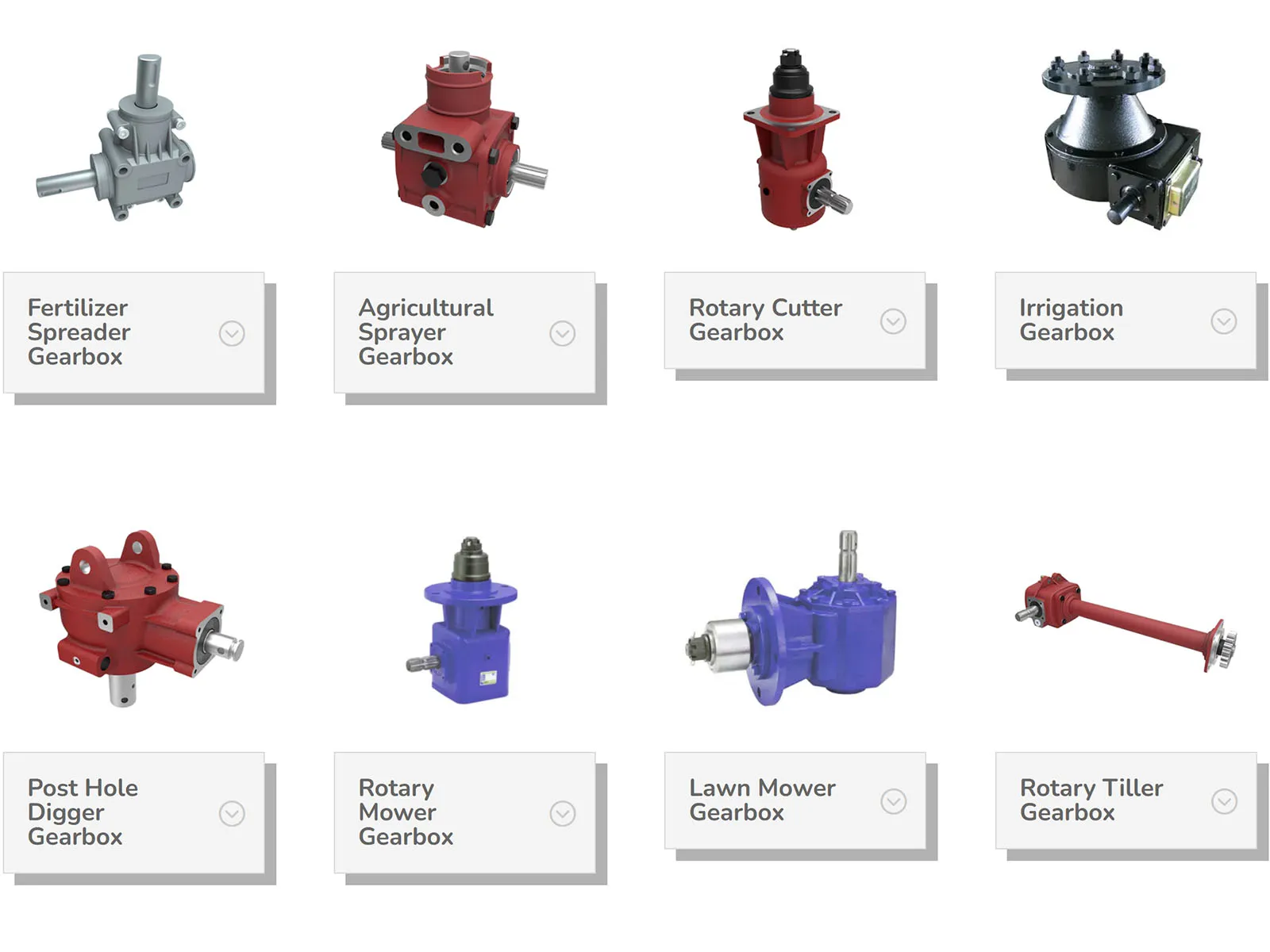
Figure 1: Internal planetary gearing designed for high radial loads on feed pushers.
Engineer’s Perspective: Combating the “Barn Atmosphere”
Designing a gearbox for a factory floor is simple; designing one for a dairy barn requires a fundamental shift in material science. The primary adversary in this environment is not the load, but the chemical composition of the surroundings. Decomposing manure releases ammonia (NH3), which is highly corrosive to aluminum and degrades standard NBR rubber seals, causing them to crack and leak. Once the seal is compromised, urine and washdown water enter the gearbox, emulsifying the grease and leading to catastrophic gear failure.
For our RA-Agri series, we implemented a “Chemical Shield” protocol. The housing is treated with a specialized electrophoretic coating (E-coating) that resists ammonia corrosion. More importantly, we abandoned standard nitrile seals in favor of Fluoroelastomer (FKM/Viton) seals on all output shafts. These seals maintain elasticity even after years of exposure to animal waste. Furthermore, because these robots often stop and start thousands of times a day to correct their path, we utilize case-hardened steel gears to resist the pitting fatigue caused by constant inertial shock, a common failure point in cheaper die-cast units.
Regional Focus: South Korea’s “Smart Farm” Requirements
South Korea is currently undergoing a massive transformation in its agricultural sector, driven by the government’s “ICT Smart Farm” initiative to combat an aging farming population. In regions like Gyeonggi-do and Chungcheongnam-do, the adoption rate of robotic milking and feeding systems is among the highest in Asia. However, exporting or supplying machinery to this market requires strict adherence to local regulations.
Any agricultural gearbox or actuator integrated into a robotic system sold in Korea must comply with the safety standards outlined in the Agricultural Mechanization Promotion Act. Additionally, electrical components often require KC (Korea Certification) compliance for electromagnetic compatibility. Our products are designed with these frameworks in mind. We provide full material traceability and noise emission data required for KC testing certification. Furthermore, understanding the distinct “Hanwoo” (Korean native cattle) farming method is crucial; the feed mix is often denser and dryer than European silage, requiring higher torque output from the pushers, which our high-ratio planetary designs specifically address.
Comparative Analysis: Durability vs. Economy
| Feature | Standard Worm Gearbox | EVER-POWER Rotary Actuator |
|---|---|---|
| Efficiency | Low (50-60%) – Drains Battery Fast | High (90-95%) – Extends Robot Runtime |
| Backlash | High (>1 degree) – Poor Steering | Low (<15 arcmin) – Precise Navigation |
| Sealing | Single Lip NBR | Double Lip FKM (Ammonia Resistant) |
| Load Capacity | Limited Radial Load | Reinforced Bearings for Direct Wheel Drive |
*Disclaimer: Comparison based on standard market generic worm gears versus EVER-POWER’s specialized agricultural actuators.
For complete drivetrain solutions, including traditional PTO driven implements, visit our Product Page or return to the Home page.
Global Application Reports
Case 1: Hanwoo Beef Farm – Icheon, South Korea
Challenge: A smart farm in Icheon reported frequent failures of the steering actuators on their feed robots. The high-fiber rice straw mix was creating unexpected resistance, and the humid Korean summer caused condensation inside the motor housing.
Solution: We retrofitted the robots with our RA-400 series featuring a breathable Gore-Tex vent and high-ratio planetary gears.
Result: The “breathing” gearbox eliminated condensation buildup. The farm manager reported a 100% reduction in downtime over the 12-month monitoring period.
Case 2: Dairy Cooperative – Friesland, Netherlands
Challenge: Ammonia corrosion was eating through the aluminum casings of the original gearboxes within 18 months of operation.
Solution: Implementation of our E-coated iron housing actuators with stainless steel output shafts.
Result: After 3 years of continuous exposure to slurry and manure, the housings show no sign of structural degradation.
Case 3: Large Herd Dairy – Wisconsin, USA
Challenge: Cows occasionally kicked the robots, causing shock loads that stripped the plastic gears inside the original actuators.
Solution: Switched to EVER-POWER’s all-steel gear train with an integrated slip-clutch mechanism.
Result: Mechanical failures ceased instantly. The slip clutch absorbs the impact energy, protecting the expensive motor and gears.
Why Partner with EVER-POWER?
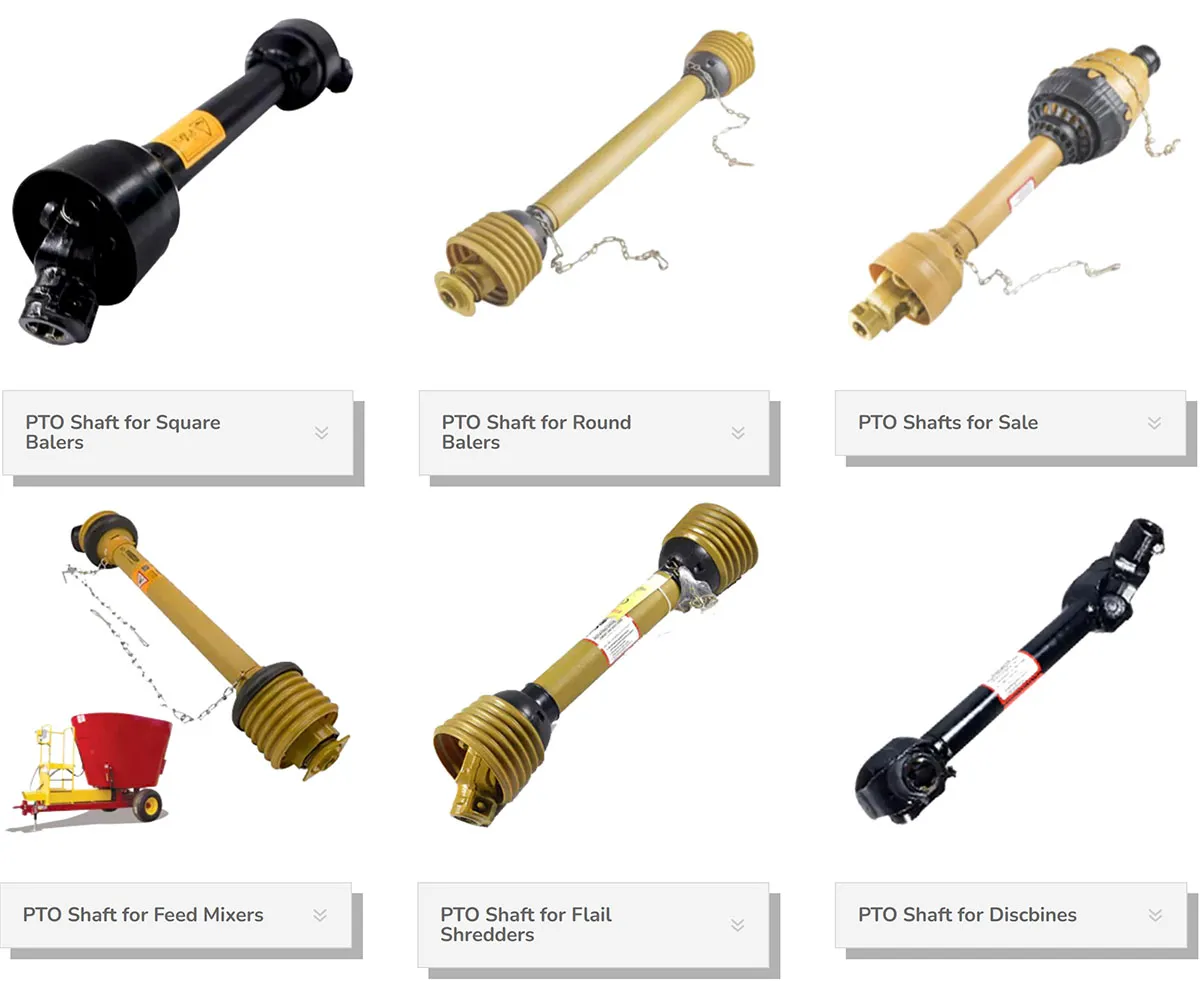
In the specialized niche of agricultural robotics, off-the-shelf industrial components often fail to meet the specific rigors of the farm environment. EVER-POWER distinguishes itself not merely as a vendor, but as a co-development partner for agricultural machine builders. Our manufacturing facility spans over 30,000 square meters and is equipped with advanced CNC gear grinding machines that achieve DIN 6 precision standards. This precision translates directly to battery life efficiency—a critical metric for mobile robots.
We understand that a feed pusher is a 24/7 mission-critical asset. A gearbox failure doesn’t just mean a repair bill; it means herd stress and lost milk yield. That is why our quality control process goes beyond standard dimensional checks. We perform salt-spray testing to validate corrosion resistance and thermal cycling tests to simulate the harsh temperature swings of an open-air barn in winter. Whether you need a standard agricultural gearbox or a custom-designed robotic actuator, our engineering team provides full 3D CAD support and rapid prototyping services. We maintain a robust supply chain that ensures your production line never stops waiting for parts.
Frequently Asked Questions
Q1: Can this actuator be used with a standard tractor PTO shaft?
No. This specific rotary actuator is designed for electric DC motor input common in robotics. For tractor-driven implements, please refer to our pto gearbox and agricultural pto gearbox categories which are designed for 540/1000 RPM inputs.
Q2: What is the maintenance interval for the grease?
Our RA-Agri series is designed as “lubricated for life.” The high-quality synthetic grease and sealed housing mean no oil changes are required for the typical 5-7 year lifespan of the robot, reducing maintenance labor for the farmer.
Q3: Is the unit compatible with encoder feedback?
Yes. The rear of the input shaft can be configured to accept magnetic or optical encoders, allowing the robot’s computer to precisely track wheel position or auger rotation speed.
Q4: Can you customize the output shaft for our specific wheel hub?
Absolutely. We regularly machine custom keys, splines, or bolt patterns on the output shaft to match specific wheel hubs or auger connections used by different robot manufacturers.
Q5: How does the gearbox handle the robot hitting a wall?
The gearbox is rated for peak shock loads significantly higher than its running torque. However, we strongly recommend implementing a current-limit feature in your motor controller to cut power if the robot stalls against an obstacle.
Ready to Optimize Your Agricultural Robot?
Contact our engineering team today for a consultation on drivetrain integration and Korean market compliance.
Editor: Cxm