
The Evolution of Aerial Spreading: The Planetary Advantage
In the rapidly advancing sector of precision agriculture, the shift from ground-based machinery to Unmanned Aerial Vehicles (UAVs) has necessitated a complete reimagining of drivetrain components. The planetary spreader gearbox is the critical kinetic interface in modern drone spreading systems. Unlike traditional ground machinery that relies on heavy cast-iron transmissions, drone gearboxes operate under strict weight constraints while demanding exceptional torque density to handle the inertia of starting high-speed spinner discs loaded with granular fertilizers or seeds.
This component sits at the heart of the spreading module, typically coupling a high-KV brushless DC motor to the broadcasting impeller. Its primary function is to reduce the high input speed of the motor to a torque-rich output capable of maintaining consistent rotational velocity, even when the flow rate of granules fluctuates. The choice of a planetary architecture is deliberate: by distributing the load across multiple planet gears, we achieve a compact footprint that does not compromise on load-bearing capacity. This coaxial arrangement is essential for maintaining the center of gravity in agile agricultural drones, ensuring flight stability during variable rate application (VRA) missions.
Furthermore, the operating environment for a planetary spreader gearbox is exceptionally hostile. Suspended beneath the rotor wash, the unit is constantly bombarded by corrosive urea dust, ammonium nitrate particles, and moisture. Engineering a gearbox that withstands chemical corrosion while maintaining a lightweight profile requires advanced materials science, utilizing surface-treated aluminum alloys and specialized polymer composites for the housing, alongside sealed-for-life lubrication systems.
Localized Engineering: Addressing South Korea’s Smart Farming Mandates
South Korea represents a unique and highly mature market for agricultural drones, driven by the government’s “Smart Farm Innovation Valley” initiatives and an aging farming population. The terrain in regions like Gangwon-do and Jeollanam-do involves small, terraced plots where large tractor-based spreaders are impractical. This has led to one of the highest densities of agricultural drone usage globally. However, operating in the Korean market requires strict adherence to local regulations and environmental conditions.
Regulatory Compliance (KC and Safety): Equipment deployed in Korea must comply with the Radio Research Agency (RRA) standards for electromagnetic compatibility (EMC). Our planetary spreader gearbox units are designed with shielded housings to prevent electromagnetic interference (EMI) that could disrupt the sensitive flight controllers of the drone. Furthermore, they align with the safety standards outlined in the Agricultural Mechanization Promotion Act, ensuring that in the event of a crash, the mechanical components do not pose an excessive projectile hazard.
Climatic Adaptation: The Korean peninsula experiences distinct seasons, with hot, humid summers and freezing winters. Our gearboxes utilize a synthetic grease formulation with a wide viscosity index, ensuring consistent performance whether spreading fertilizer in the humid heat of a Naju pear orchard or broadcasting cover crop seeds in the chill of late autumn. The sealing system is specifically tested against the fine silicate dust common in Korean rice paddies, preventing ingress that leads to premature gear wear.
Why Partner with EVER-POWER for Aerial Drivetrains?
Choosing a partner for drone propulsion components is a strategic decision that affects flight safety and application efficiency. EVER-POWER brings over two decades of transmission expertise to the table. While our reputation was built on heavy-duty agricultural gearbox solutions for tractors and harvesters, our Micro-Transmission Division has successfully miniaturized this rugged engineering DNA for the UAV sector.
Our manufacturing facility employs state-of-the-art Swiss-made hobbing machines capable of producing Module 0.5 to Module 0.8 gears with JIS Grade 2 precision. This level of precision is non-negotiable in aerial applications where vibration must be minimized to protect onboard sensors. Unlike generic hobbyist gearboxes, our planetary spreader gearbox series undergoes rigorous salt-spray testing (ASTM B117) exceeding 500 hours to guarantee resistance against agrochemicals.
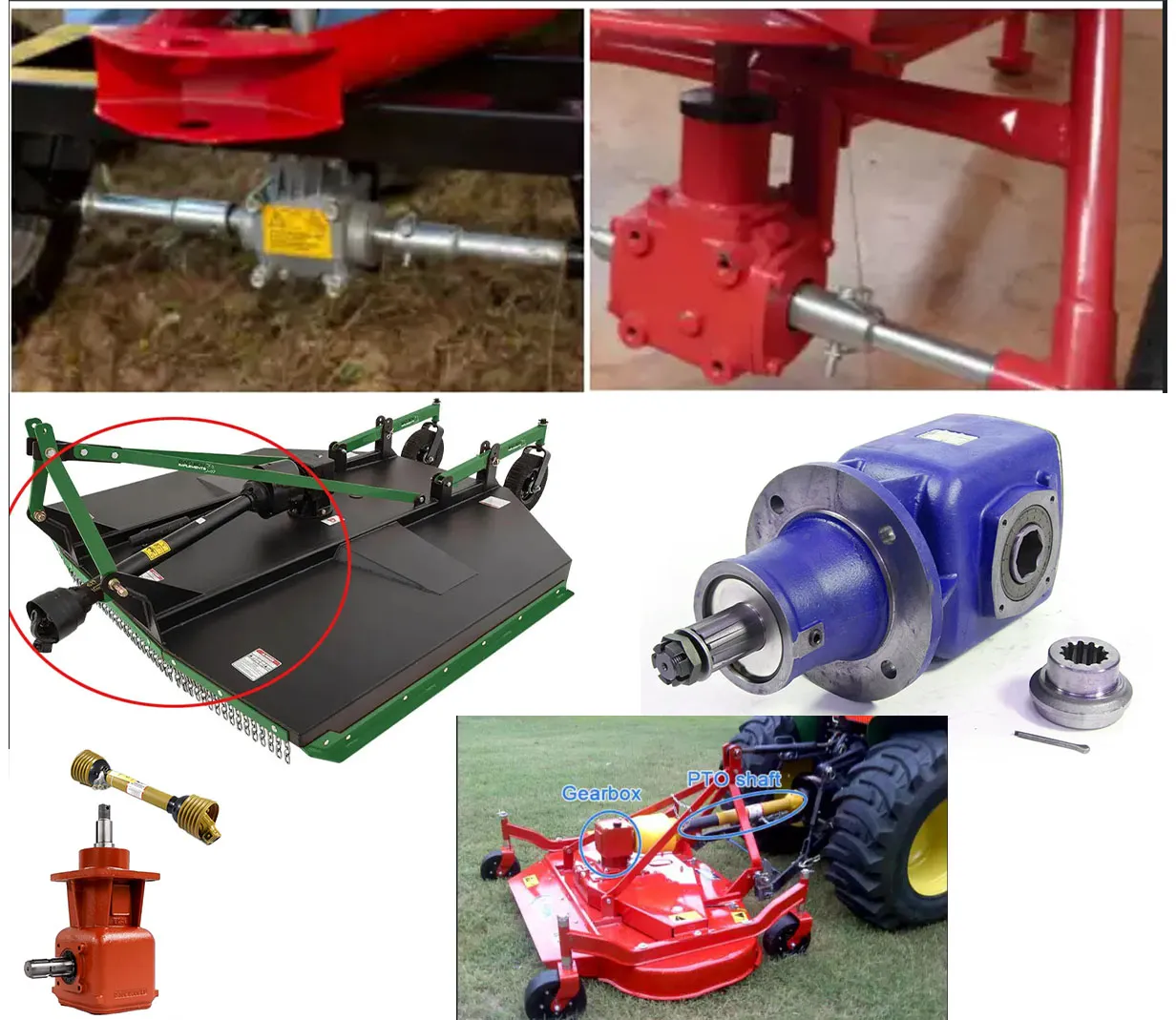
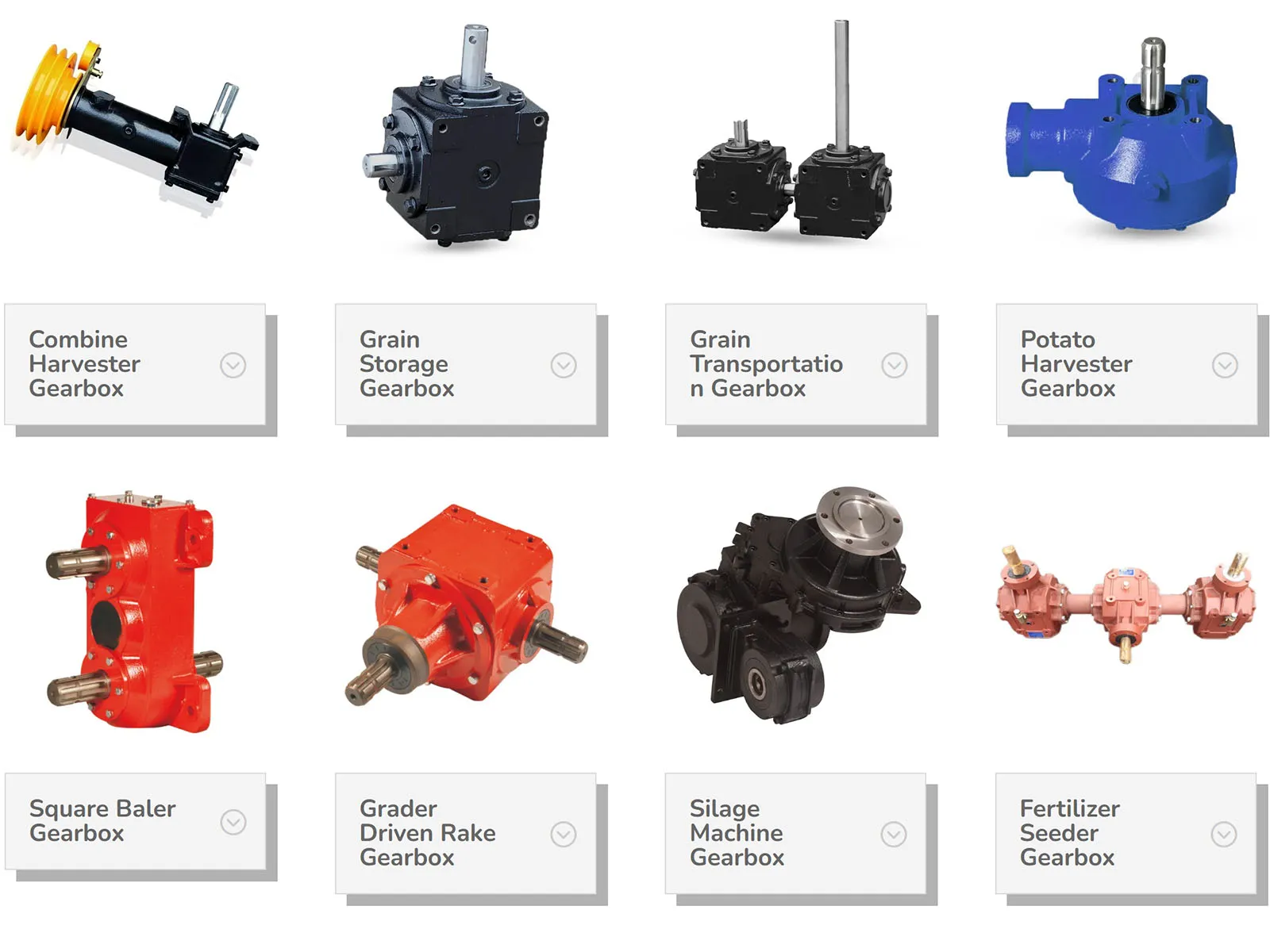
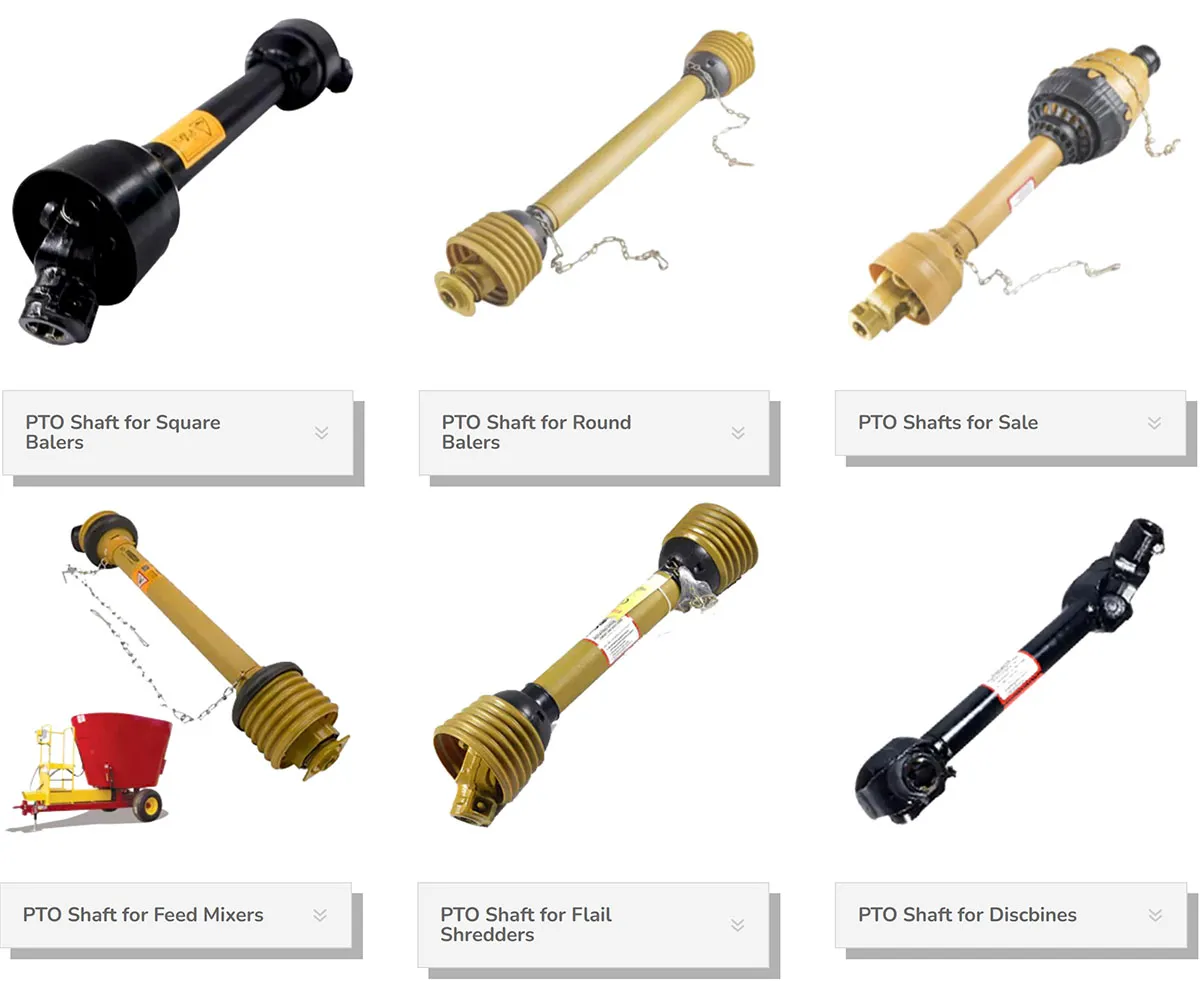
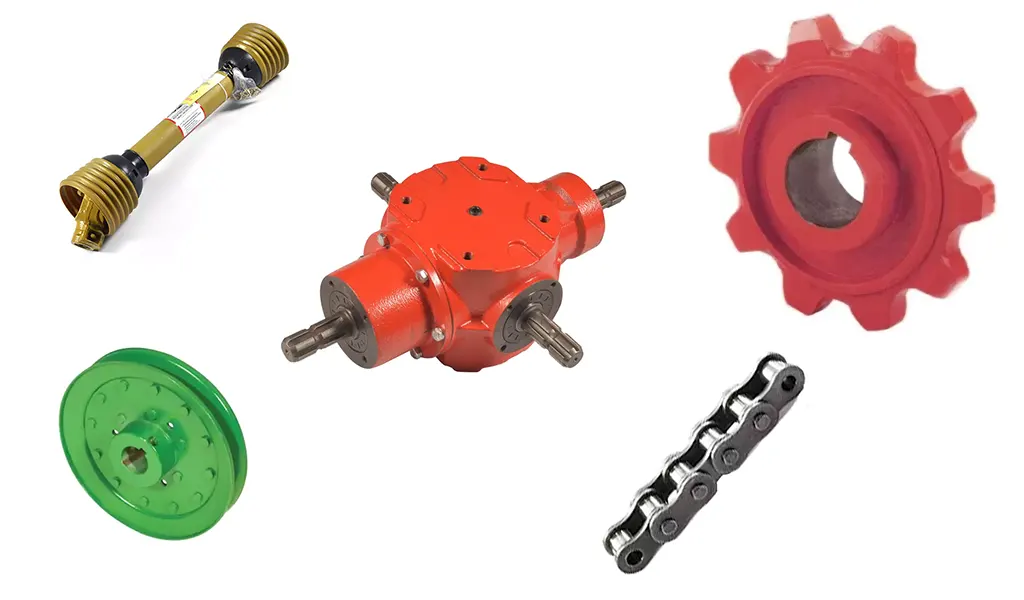
We offer more than just off-the-shelf components. Our engineering team provides full integration support, helping drone OEMs optimize the motor-gearbox matching to maximize battery life. We understand that in the drone business, every gram counts and every milliampere of efficiency matters. From our standard lines to custom OEM solutions, EVER-POWER is the silent force behind the most reliable agricultural drones in the sky. For broader agricultural needs, we also supply the traditional agricultural pto gearbox, demonstrating our comprehensive grasp of the entire farming ecosystem.
Technical Specifications Matrix
The following table outlines the standard configurations for our UAV-Series Spreader Gearboxes. Custom ratios and mounting interfaces are available for OEM partners.
| Parameter | UAV-G30 (Light Duty) | UAV-G50 (Medium Duty) | UAV-G100 (Heavy Lift) |
|---|---|---|---|
| Gear Ratio | 5:1 / 10:1 | 15:1 / 22:1 | 25:1 / 48:1 |
| Max Continuous Torque | 1.2 Nm | 3.5 Nm | 8.0 Nm |
| Input Speed (Max) | 12,000 RPM | 10,000 RPM | 8,000 RPM |
| Weight | 180g | 320g | 550g |
| Housing Material | Engineering Plastic (POM) | Aluminum Alloy 6061 | Aluminum Alloy 7075 |
| IP Rating | IP65 | IP67 | IP67 / IP68 |
| Backlash | < 15 arcmin | < 10 arcmin | < 8 arcmin |
| Gear Material | Powder Metallurgy | 40Cr Steel | 20CrMnTiH |
Field Proven: Global & Regional Applications
Case Study 1: Rice Paddy Fertilization in Chungcheongnam-do, Korea
Challenge: A prominent Korean agricultural drone service provider reported frequent gearbox seizures during the monsoon season. The high humidity and direct contact with urea fertilizer caused rapid corrosion of the standard steel output shafts.
Solution: We supplied a customized UAV-G50 gearbox featuring a 316 Stainless Steel output shaft and a specialized Nano-Ceramic coating on the housing. The internal lubrication was upgraded to a hydrophobic synthetic grease.
Result: The service life of the spreading units increased from 200 flight hours to over 800 flight hours, significantly reducing downtime during the critical fertilization window.
Case Study 2: Hillside Orchard Seeding in Japan
Challenge: Drones operating on steep orchard slopes required rapid changes in spreader RPM to adjust the throw width based on altitude changes. The existing gearboxes suffered from tooth stripping due to the high inertial shock loads during rapid acceleration.
Solution: We implemented a reinforced planetary carrier design with wider gear teeth (increased contact ratio). We also optimized the backlash to allow for some thermal expansion without binding.
Result: The modified planetary spreader gearbox handled the dynamic loads perfectly, allowing for precise edge-row spreading without mechanical failure.
Case Study 3: Large Scale Wheat Seeding in Australia
Challenge: Heavy-lift drones carrying 50kg payloads required a gearbox capable of driving a large auger feed system. Standard plastic gears were deforming under the load.
Solution: We provided our heavy-duty UAV-G100 series with heat-treated alloy steel gears. The torque density allowed the drone to maintain a compact form factor while delivering the torque of a much larger industrial motor.
Result: Consistent feed rates were achieved, ensuring uniform crop density across hundreds of hectares.
Frequently Asked Questions (FAQ)
Q1: Can your planetary spreader gearbox handle corrosive fertilizers like Ammonium Sulfate?
Yes. We treat corrosion resistance as a primary design parameter. Our gearboxes feature anodized aluminum or composite housings, stainless steel output shafts, and double-lip Viton seals to prevent chemical ingress. We also recommend rinsing the external unit (if IP67 rated) after operation.
Q2: Are these gearboxes compatible with DJI or XAG aftermarket systems?
We offer mounting flanges and shaft interfaces that are compatible with the standard brushless motors used in popular drone ecosystems. However, for specific model replacements, please provide the motor shaft diameter and bolt circle diameter (BCD) so we can ensure a perfect fit.
Q3: What maintenance is required for the gearbox?
Our UAV series is designed as “Sealed-for-Life,” meaning no oil changes are required. The internal grease is sufficient for the component’s lifespan. Maintenance primarily involves external cleaning and inspecting the output shaft seal for physical damage caused by debris.
Q4: How does weight impact the drone’s flight time?
Every gram matters in aerial applications. Our planetary design offers the highest torque-to-weight ratio available. By using a lighter gearbox, you can allocate more weight to the battery or payload, directly increasing flight efficiency and coverage area per flight.
Q5: Do you produce gearboxes for the drone propellers as well?
While our focus on this page is the spreader system, we do manufacture micro-gearboxes for rotor drives in specific heavy-lift helicopter UAVs. However, most multi-rotor drones use direct-drive motors for propulsion.
Related Drivetrain Solutions
Editor: Cxm