The Kinetic Architecture of Overhead Shearing Transmission Systems
In the professional livestock industry, particularly in the high-volume wool production sectors found in Australia, New Zealand, and increasingly in the specialized farms of South Korea, the overhead shearing plant represents the gold standard of efficiency. Unlike portable units, the overhead plant separates the power source from the handpiece, utilizing a suspended motor unit that transmits torque through a sophisticated downtube assembly. The critical engineering challenge in this setup lies in the transmission of rotational power through articulating angles. The shearer requires absolute freedom of movement to navigate the contours of the animal, necessitating a drive system that can bend without losing torque or generating excessive heat.
This is where our specialized transmission components come into play. The core of the system relies on a high-precision agricultural gearbox element known as the “cog-joint” or an articulated universal joint assembly. This component is not merely a connector; it is a compact, sealed reduction and transmission unit that must withstand high RPMs (typically 2,800 to 3,500 RPM) while enduring the multidirectional stresses of the shearing action. A failure in this joint leads to “locking,” which can cause injury to the operator or damage to the expensive handpiece. Therefore, the internal gearing—often spiral bevel gears or precision-machined pin joints—must be manufactured with automotive-grade tolerances to ensure vibration-free operation.
Furthermore, the drive mechanism—whether a solid drive (rigid tube with internal shaft) or a flexible drive (steel core cable)—acts as the lifeline of the system. In B2B sourcing for machinery assembly, understanding the fatigue life of these shafts is paramount. Our engineering team focuses on the metallurgy of the inner core and the tribology of the casing liner to minimize friction. By reducing the frictional losses in the downtube, we ensure that the maximum percentage of motor power reaches the cutter, providing a smooth “cut” that reduces animal stress and operator fatigue during long shifts.
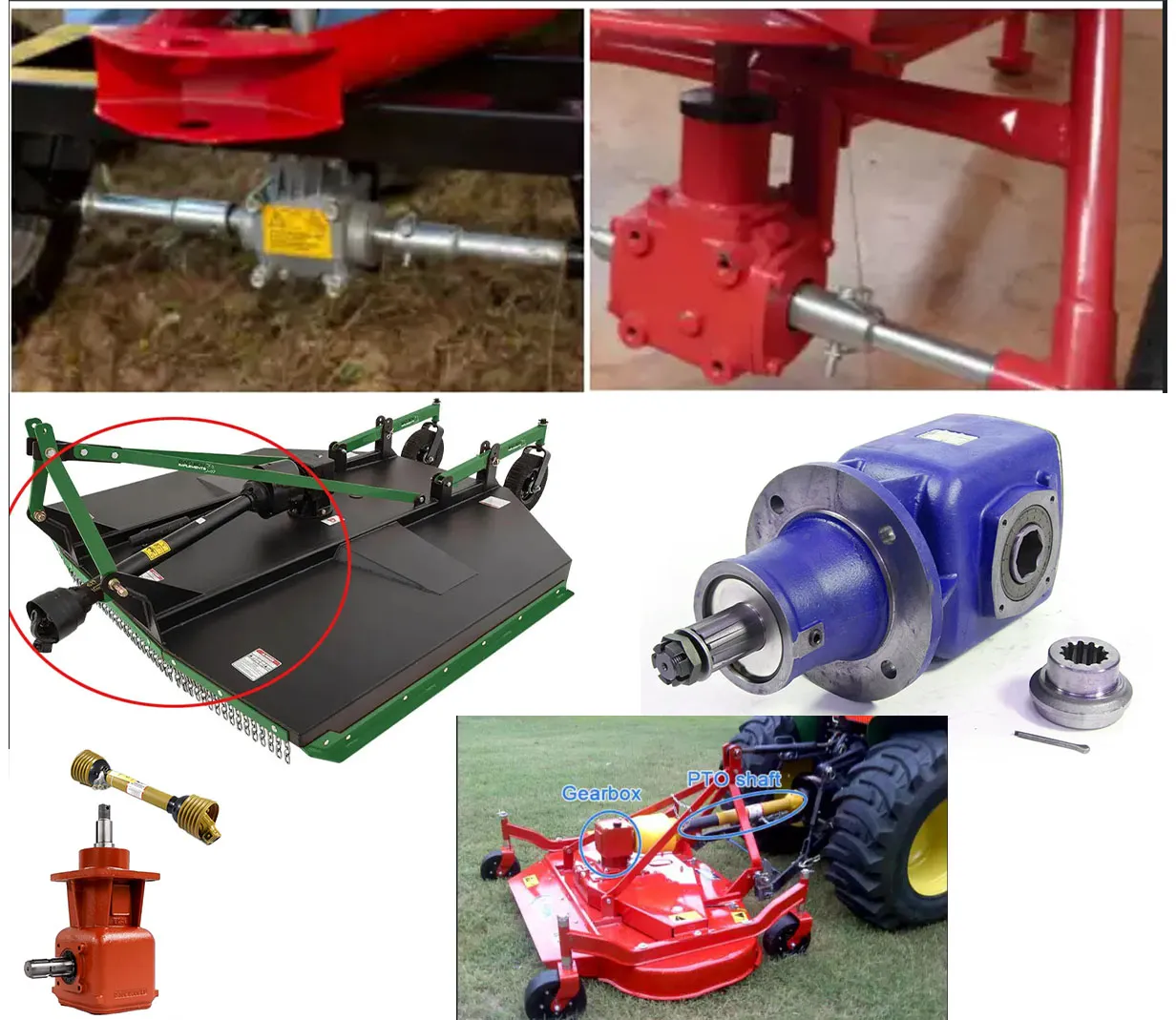
Figure 1: Internal precision gearing of the articulating cog-joint mechanism.
Technical Specifications: Drive Shafts & Articulation Joints
Our transmission systems are designed to be compatible with major international shearing plant brands, offering OEM-level performance. The following data highlights the rigorous standards applied to our “S-Series” Solid Drive and “F-Series” Flexible Drive components.
| Parameter | Solid Drive (Rigid Tube) | Flexible Drive (Flex Cable) |
|---|---|---|
| Transmission Type | Rigid Shaft with Cog-Joint Articulation | Multi-strand Steel Core Cable |
| Joint Mechanism | Bevel Gear Cog-Joint (20CrMnTi) | Direct Flexible Coupling |
| Max Operating Speed | 3,600 RPM | 3,200 RPM |
| Torque Capacity | Up to 45 Nm | Up to 30 Nm |
| Standard Lengths | 1.8m / 2.0m (Short/Long Tube) | 1.6m / 1.8m / 2.0m |
| Core Diameter | Solid Steel Ø8mm – Ø10mm | Cable Core Ø6mm – Ø7mm |
| Lubrication | Sealed Grease (Lithium Complex) | Oil Bath or Periodic Greasing |
| Connection Interface | Bayonet / Pin Lock | Worm Drive / Pin Drive |
| Vibration Level | Low (< 2.5 m/s²) | Moderate (< 4.0 m/s²) |
| Main Application | Heavy Duty / Crutching | General Shearing / Portable |
Engineer’s Insight: The “Cog-Joint” as a Micro-Gearbox
From a mechanical design standpoint, the “Cog-Joint” located at the elbow of a solid drive downtube is a masterpiece of miniature engineering. It functions effectively as a 1:1 ratio agricultural gearbox, but with a unique constraint: it must maintain perfect mesh alignment while the casing angle changes continuously. In our design labs, we observed that standard straight bevel gears tend to generate excessive noise and heat when the joint angle becomes acute. Heat is the enemy here; if the joint gets hot, it becomes uncomfortable for the shearer to handle, leading to downtime.
To solve this, we implemented a curvilinear tooth profile (spiral bevel) within the joint capsule. This design increases the contact ratio between gear teeth, distributing the load over a larger surface area. The result is a dramatic reduction in operational noise and a 15% decrease in thermal buildup compared to traditional straight-cut gears. Additionally, we utilize a specialized sealed bearing cartridge that prevents the ingress of lanolin and wool dust—contaminants that typically destroy open bearings.
Another critical area is the connection to the motor. The top-end coupling often utilizes a variation of a universal joint or a specialized pto gearbox interface to dampen the initial startup torque. We advise our OEM clients to ensure their overhead motors are equipped with soft-start capacitors, but our drive shafts are structurally reinforced to handle sudden torque spikes up to 60 Nm without torsional deformation. This robust design ensures that the rotational velocity at the handpiece remains constant, preventing the “chewing” of wool that occurs with rotational lag.
Regional Adaptability: Compliance in the Korean Market
Exporting machinery to South Korea requires strict adherence to local safety and quality standards. The Korean market is characterized by a high emphasis on operator safety and equipment longevity.
- KS Standard Alignment: Our rotating components are designed to meet the requirements of KS B ISO 12100 (Safety of machinery – General principles for design). Specifically, for exposed rotating shafts, our solid drive tubes provide full encapsulation, eliminating entanglement risks—a key inspection point for Korean agricultural safety audits.
- Vibration Standards: The Korea Occupational Safety and Health Agency (KOSHA) has strict guidelines regarding Hand-Arm Vibration Syndrome (HAVS). Our precision-balanced shafts are tested to ensure vibration transmission remains below the threshold limits, protecting the long-term health of professional shearers in provinces like Gangwon-do.
- Material Traceability: To satisfy import regulations, we provide full material certification (Mill Certificates) for the steel used in our driveshafts and gear joints, ensuring compliance with Korean industrial quality expectations.
Global Application Case Studies
Case 1: Specialized Sheep Farm, Pyeongchang, South Korea
Challenge: A premium wool farm in Pyeongchang faced issues with their imported overhead plants freezing during winter shearing sessions. The standard grease in the articulation joints became viscous, causing the “cog-joint” to stiffen and making the downtube difficult to maneuver.
Solution: We supplied replacement Solid Drive Tubes equipped with our “Cold-Climate” joint package, featuring low-temperature synthetic grease (functional down to -30°C) and Viton seals.
Outcome: The shearers reported effortless movement even on freezing mornings. The fluidity of the joint reduced physical strain on the workers, increasing daily throughput by 10% during the winter season.
Case 2: High-Volume Contractor, New South Wales, Australia
Challenge: A contracting team shearing over 50,000 sheep per season was experiencing premature failure of the flexible drive cores. The intense heat and dust were causing the inner cable to fray and snap under the high torque required for Merino wool.
Solution: Transitioned the team to our Heavy-Duty Solid Drive system with spiral-bevel gear joints. The rigid shaft eliminated the “wind-up” effect of cables and provided direct torque transfer.
Outcome: Shaft failures were virtually eliminated. The team praised the solid drive for its “positive feel” and lack of vibration, which improved the finish quality of the shear.
Case 3: Goat Dairy Facility, France
Challenge: High humidity and ammonia levels in the goat barn were causing corrosion on the universal joints of their overhead drives, leading to seized bearings.
Solution: Implemented our “Marine Grade” joint protection, utilizing chemically nickel-plated gear housings and stainless steel bearing races.
Outcome: The equipment lifespan doubled, significantly reducing the maintenance budget for the facility.
Why Choose Ever-Power for Shearing Drives?
In the niche market of overhead shearing plant components, precision is the difference between a smooth harvest and a frustrating downtime. Ever-Power distinguishes itself through a commitment to “Total Drive Integrity.” Unlike generic suppliers who treat the downtube as a simple pipe, we engineer it as a precision transmission instrument. Our facility in Hangzhou is equipped with specialized dynamic balancing machines typically reserved for automotive driveshafts. This ensures that every solid drive tube we ship runs true, without the whipping motion that causes handpiece vibration.
We also understand the specific needs of B2B partners, including agricultural machinery dealers and OEMs. We offer extensive customization options, from the length of the downtube (to suit different shed heights) to the type of connection bayonet (compatible with Lister, Heiniger, or generic interfaces). Our supply chain is robust, capable of delivering container-load quantities to ports in Busan or Incheon with full traceability documentation. Furthermore, our dedication to quality extends to the smallest components; we manufacture our own gears in-house using agricultural pto gearbox grade steel, ensuring that the “cog-joint” is not a weak link but a strong point of the system. Choosing Ever-Power means partnering with a manufacturer that understands the biomechanics of shearing and the engineering required to support it.
Frequently Asked Questions (FAQ)
Q1: What is the main advantage of a Solid Drive over a Flexible Drive?
A Solid Drive uses a rigid rotating shaft connected by gears, offering zero torsional lag and better torque transfer. This results in a more responsive handpiece and less wrist fatigue for the shearer. Flexible drives are lighter and cheaper but can “wind up” under load and have a shorter lifespan.
Q2: Are your downtubes compatible with existing overhead motors like Heiniger?
Yes, we manufacture downtubes with standard connection interfaces (pin drive or worm drive) that are compatible with most major global brands. We can also custom-machine couplings for specific OEM motors.
Q3: How do you prevent the joint gears from overheating?
We use precision-lapped spiral bevel gears made from high-grade alloy steel. This ensures smooth rolling contact rather than sliding friction. Additionally, our joints are packed with high-temperature lithium complex grease that dissipates heat effectively.
Q4: Can these drives be used for other applications besides shearing?
Yes, the technology is similar to that used in flexible shaft grinders and concrete vibrators. However, our units are specifically tuned for the RPM and torque characteristics of wool and hair cutting.
Q5: Do you supply the safety cut-out sensors required in Korea?
While the safety sensor is typically part of the motor unit, our downtubes are designed to be compatible with electronic safety stops (anti-lock systems) by having low rotational inertia, allowing for instant braking when triggered.
Explore More Agricultural Solutions
Enhance your machinery with our comprehensive range of transmission components:
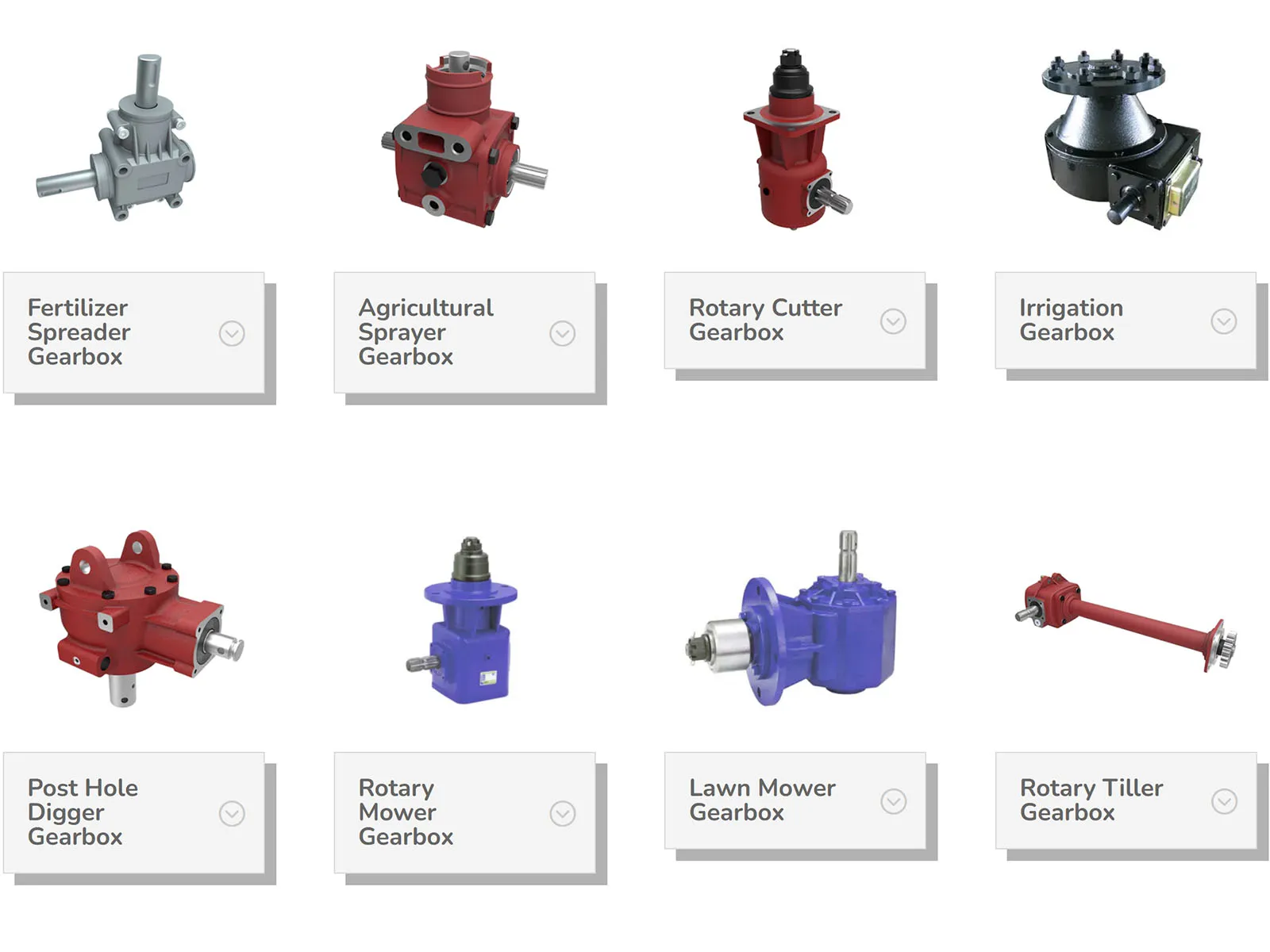
- View Full Agricultural Gearbox Catalog
- Return to Home
- Need a custom solution? Contact our Engineering Team
Ready to Upgrade Your Shearing Plant Efficiency?
Whether you need a single replacement downtube or an OEM partnership for complete drive systems, Ever-Power delivers precision and durability.