Engineering Precision for the Korean Smart Farm Revolution
In the rapidly evolving landscape of South Korean agriculture, the shift towards “ICT Convergence Smart Farms” has placed unprecedented demand on automated milking systems (AMS). Unlike traditional farming machinery where a standard agricultural gearbox handles rough, high-torque tasks like tilling or mowing, the robotic milking arm operates in a realm of surgical precision. The core challenge in milking automation is the rapid and accurate location of the teat cup attachment. A misalignment of just a few millimeters can cause the robot to fail, leading to herd stress and decreased milk yield.
This is where the Harmonic Drive, or strain wave gear, becomes indispensable. While heavy-duty machinery relies on spur or helical gears found in an agricultural pto gearbox, robotic arms require a transmission system with zero backlash. The strain wave gear achieves this through a unique mechanism involving a flexible spline (Flexspline) deforming against a rigid circular spline. This design ensures that multiple teeth are engaged simultaneously—often 30% of the total tooth count—providing exceptional torque density in a compact footprint. For Korean dairy farmers operating in high-density barns in regions like Gyeonggi-do, this compactness allows for slimmer robot profiles that are less intrusive to the animal.
Furthermore, the dynamic response of a milking robot is critical. When a cow moves unexpectedly, the arm must retract instantly to prevent injury. The low inertia of our harmonic reducers allows for high acceleration rates, ensuring safety protocols are met instantaneously. This level of responsiveness is simply unattainable with conventional planetary gearboxes, which suffer from inherent backlash and higher inertia.
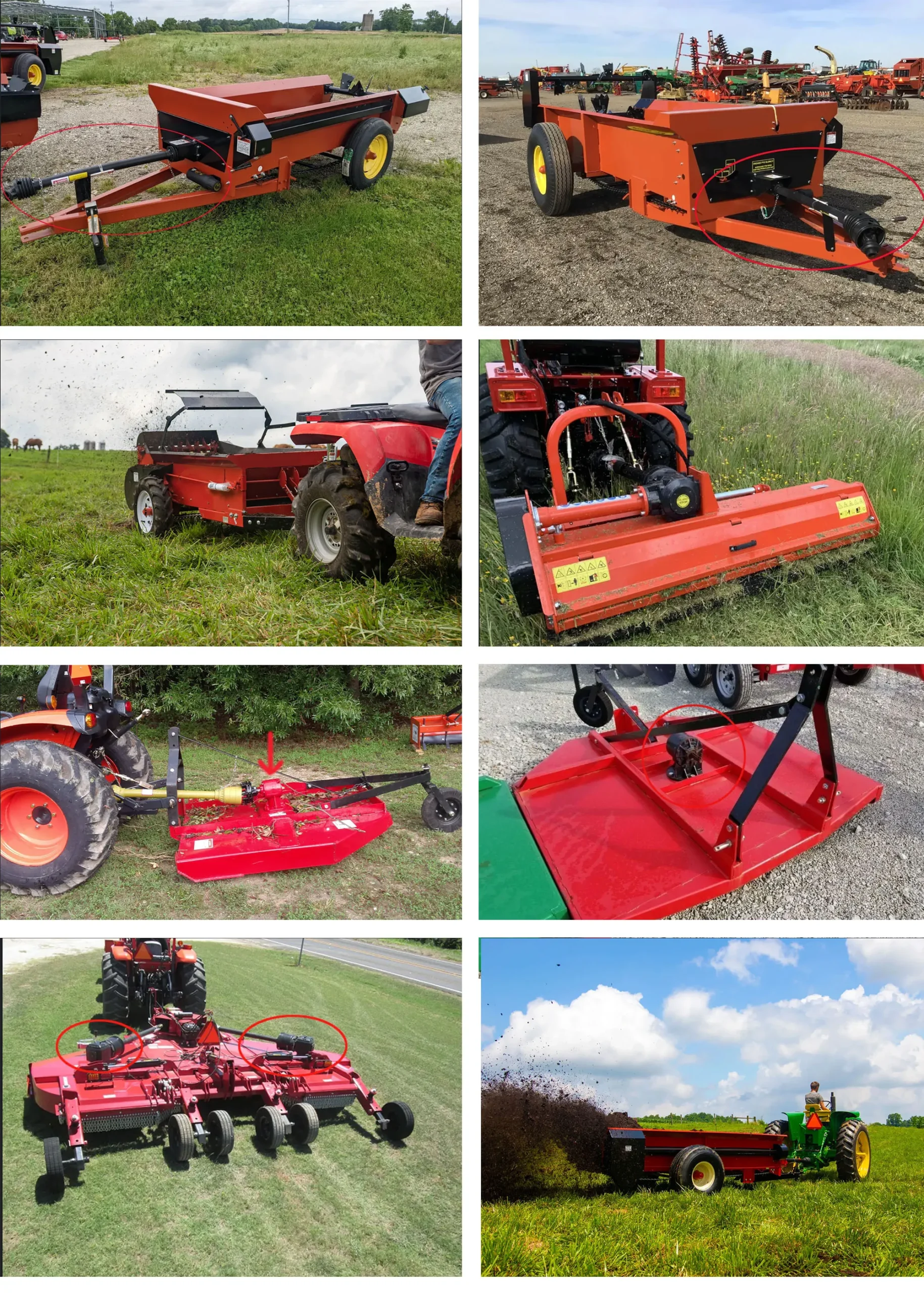
Figure 1: High-precision robotic arm utilizing strain wave gearing for exact positioning.
Technical Data: H-Series Strain Wave Gears
Our H-Series is specifically calibrated for the cyclical loading patterns of milking robots. The following specifications represent the most common configurations used in 6-axis agricultural manipulators.
| Parameter Description | Specification Value |
|---|---|
| Gear Mechanism Type | Strain Wave / Harmonic Reducer |
| Available Sizes | 14, 17, 20, 25, 32, 40 |
| Reduction Ratio Range | 30:1 to 160:1 |
| Rated Output Torque | 5 Nm – 350 Nm (Size dependent) |
| Peak Start/Stop Torque | Up to 850 Nm |
| Backlash | < 10 arcsec (Essentially Zero) |
| Transmission Accuracy | < 1 arcmin |
| Hysteresis Loss | < 1 arcmin |
| Input Speed (Max) | 6,500 RPM |
| Lubrication | Harmonic Grease SK-1A / 4BNo.2 |
| Corrosion Protection | Specialized Coating for Ammonia Resistance |
| Sealing Class | IP65 / IP67 Compatible Design |
| Flexspline Material | Ultra-high purity Vacuum Remelted Steel |
| Operating Temperature | -10°C to +70°C |
| Estimated Life (L10) | 15,000 Hours (at rated speed/torque) |
Engineer’s Perspective: Overcoming the Barn Environment
As a mechanical specialist in agricultural robotics, I have witnessed firsthand that the barn is one of the most hostile environments for precision gearing. Unlike a clean industrial assembly line, a milking parlour is rife with humidity, ammonia gas from manure, and corrosive cleaning chemicals used during washdown cycles. A standard industrial robot transferred directly to a barn will often fail within months due to seal degradation and subsequent internal corrosion.
The “Achilles’ heel” of the strain wave gear in agriculture is the Flexspline—the thin-walled steel cup that deforms to create motion. If moisture breaches the housing, hydrogen embrittlement can occur, leading to catastrophic fracture of the Flexspline cup. To combat this in the Korean market, where humidity levels in enclosed barns can exceed 90% in summer, we have implemented a Triple-Barrier Sealing System. We utilize Viton (FKM) seals instead of standard NBR, which are resistant to the acidic nature of milk residues and manure. Furthermore, the Wave Generator bearing utilizes a customized synthetic grease with high-pressure additives to prevent fretting wear during the micro-movements often required when the robot is tracking a cow’s breathing motion.
Another critical aspect is the integration with the broader farm ecosystem. While the robotic arm uses harmonic drives, the feed pusher or manure scraper operating nearby might utilize a robust pto gearbox or worm drive. Understanding the electromagnetic interference (EMI) generated by these heavy motors is crucial. Our harmonic drive units are designed with electrically isolated input couplings to prevent stray currents from the farm’s grounding system from arcing across the delicate gear teeth, a phenomenon known as electrical fluting.
Compliance and Standards in South Korea
Exporting and operating machinery in South Korea requires strict adherence to local regulations, which are often more rigorous than general international standards due to the nation’s focus on safety and technology integration.
- KC Certification (Korea Certification): All motors and electrical drive units integrated with our gearboxes must meet KC safety standards for electromagnetic compatibility (EMC). We provide full documentation to assist our OEM partners in achieving this certification for their final assembly.
- KS B ISO 10218-1: This is the Korean standard adoption of the international safety requirement for industrial robots. Our harmonic drives are rated with a high safety factor (Shock Load > 3x Rated Torque) to ensure that in the event of a “Cow Kick” or collision, the gearbox does not shatter, preventing the arm from becoming a dangerous uncontrolled projectile.
- Local Serviceability: The Korean Ministry of Agriculture, Food and Rural Affairs (MAFRA) incentivizes machinery that has local parts availability. Our distribution hub near Busan ensures that replacement actuators can reach any farm in the peninsula within 24 hours.
Global Application Case Studies
Case 1: Smart Dairy Farm – Icheon, South Korea
Challenge: A mid-sized Hanwoo and Holstein dairy farm in Icheon faced frequent downtime with their imported European milking robots. The high humidity during the Korean “Jangma” (monsoon) season caused condensation inside the robot joints, leading to grease emulsification and gear seizure.
Solution: We retrofitted the joints with our H-Series “Agri-Seal” harmonic drives, featuring a breathable hydrophobic vent that allows pressure equalization without letting moisture in.
Result: Over a 24-month period, the farm reported zero gearbox-related failures. The maintenance interval for grease replenishment was extended from 6 months to 12 months, significantly reducing labor costs.
Case 2: 24/7 Automated Milking – Friesland, Netherlands
Challenge: A high-throughput cooperative farm required robots to operate 22 hours a day. The standard flexsplines were suffering from fatigue cracks after only 8,000 hours due to the relentless cycle rate.
Solution: EVER-POWER supplied a customized strain wave gear utilizing a proprietary vacuum-remelted steel alloy for the Flexspline, doubling the fatigue limit.
Result: The service life was extended to exceed 18,000 hours, matching the lifecycle of the servo motors and reducing the total cost of ownership (TCO) by 25%.
Case 3: Rotary Parlour – Wisconsin, USA
Challenge: In a rotary parlour setup, cows occasionally kicked the robotic teat sprayers. The shock load was shearing the teeth of the wave generator in competitor units.
Solution: We integrated a torque-limiting coupling between the motor and the agricultural gearbox input. Additionally, we upsized the bearing support on the circular spline.
Result: When kicks occurred, the coupling slipped harmlessly. The gearbox remained intact, turning a potential $2,000 repair into a simple system reset.
Why Partner with EVER-POWER?
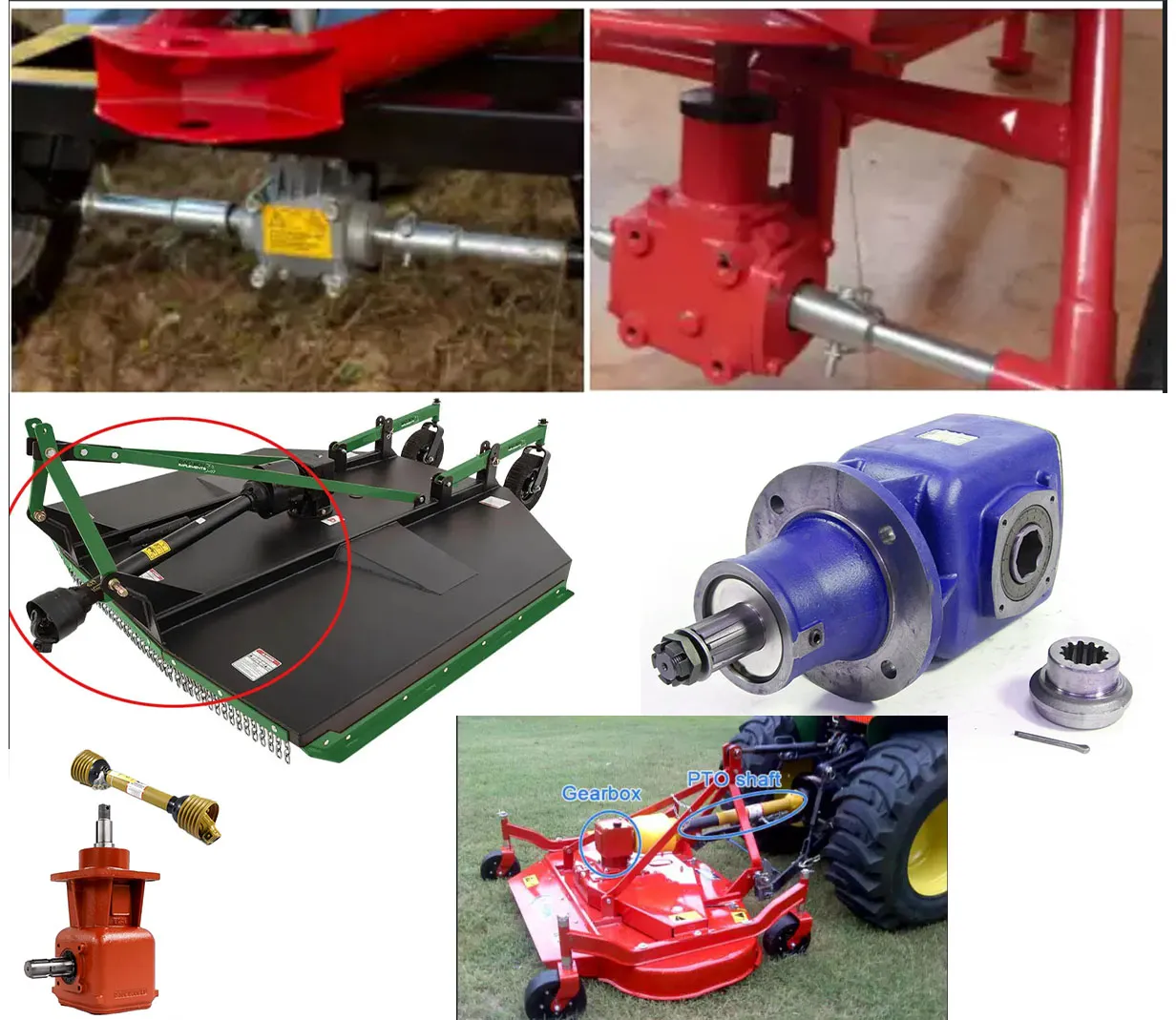
In the specialized niche of agricultural robotics, choosing the right transmission partner is a strategic decision. EVER-POWER distinguishes itself not merely as a component supplier, but as a comprehensive drivetrain solution provider. While we are renowned for our heavy-duty agricultural pto gearbox solutions used in tractors and harvesters, our capabilities in precision motion control are equally robust.
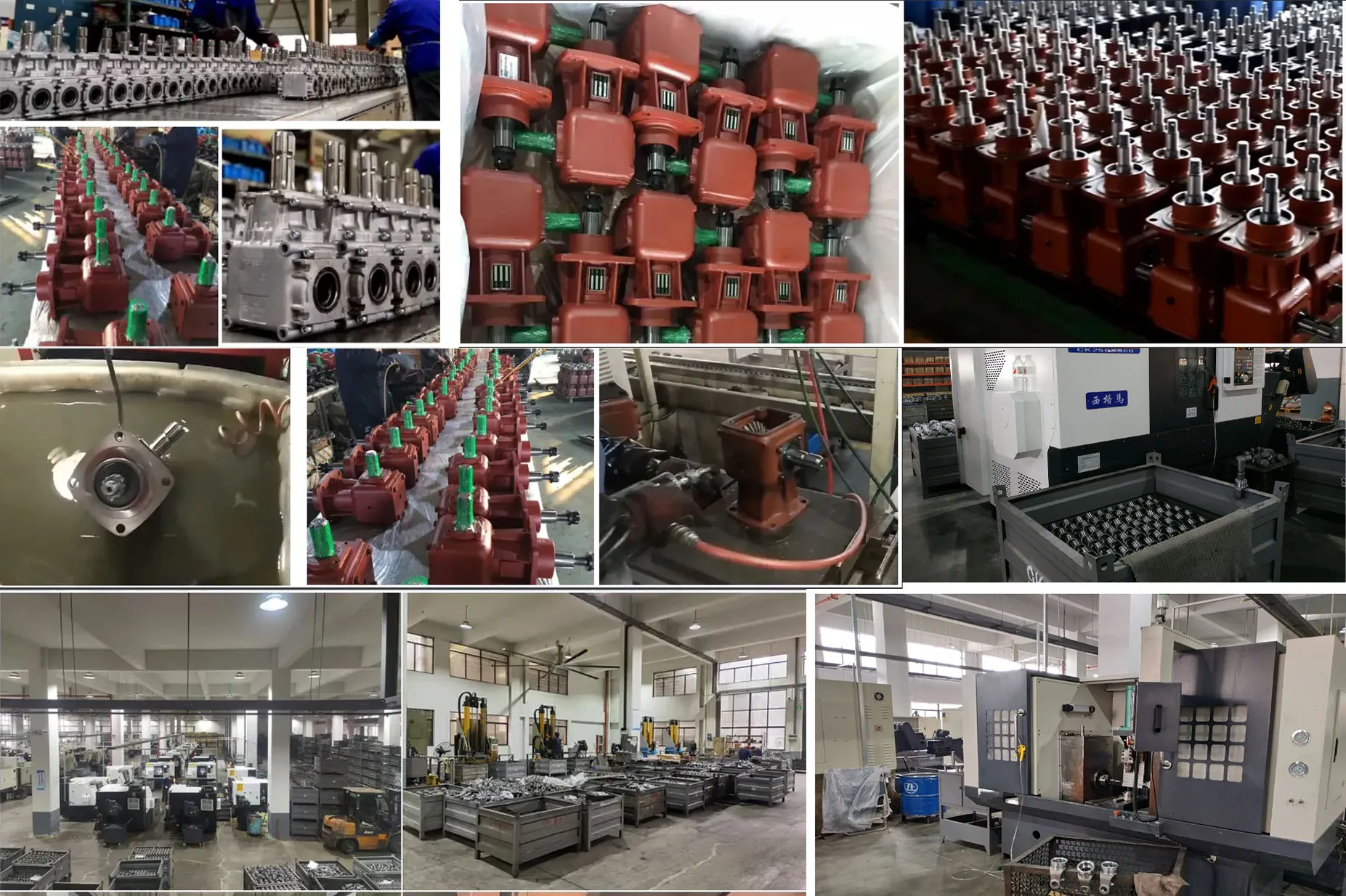
Our manufacturing facility employs state-of-the-art gear grinding and heat treatment processes that allow us to control the microstructure of our steel. This is critical for strain wave gears, where the metal must be flexible enough to deform millions of times yet hard enough to transmit torque. Unlike generic suppliers who rebrand industrial gears for farm use, we specifically engineer our “Agri-Series” drives with enhanced corrosion resistance and wider thermal operating ranges suitable for unheated barns.
Furthermore, our supply chain resilience is unmatched. We maintain a strategic inventory of semi-finished goods, allowing us to machine custom input splines or output flanges within days, not weeks. For our Korean partners, this means reliable lead times to Busan or Incheon ports, ensuring your production line never stops. We offer full CAD support and load analysis simulation to verify that the selected gearbox will survive the specific kinematics of your robot design.
Frequently Asked Questions (FAQ)
Q1: How does a strain wave gear differ from a planetary gearbox in milking robots?
A: A planetary gearbox typically has a backlash of 3-10 arcminutes, which translates to several millimeters of play at the end of a robot arm. A strain wave gear has near-zero backlash (<1 arcmin), ensuring the teat cup attaches accurately every time, which is crucial for animal comfort and efficiency.
Q2: Can these gearboxes withstand daily high-pressure washdowns?
A: Standard units cannot. However, our IP67-rated versions are equipped with special rotary seals and sealed inputs specifically designed to withstand water jets and chemical cleaning agents used in dairy hygiene protocols.
Q3: What maintenance is required for the harmonic drive?
A: Our agricultural units are typically “lubricated for life” with high-performance synthetic grease. However, in extremely high-cycle applications (like 24/7 robotic milking), we recommend a grease analysis or replacement every 15,000 hours to remove any metallic particles generated by wear.
Q4: Do you offer compatible PTO shafts for other farm equipment?
A: Yes. While the milking robot uses harmonic drives, we are a full-spectrum supplier. We provide standard and wide-angle pto shaft assemblies for feed mixers, muck spreaders, and other tractor-driven implements found on the dairy farm.
Q5: How do you handle the “ratcheting” risk during a collision?
A: Ratcheting occurs when the torque exceeds the gear’s holding capacity, causing teeth to skip. We advise sizing the gearbox such that the peak shock load (e.g., from a cow kick) stays below the “Ratchet Torque” limit specified in our catalog. We can assist with these calculations during the design phase.
Ready to Optimize Your Milking Automation?
Contact our engineering team today for a custom quote on high-precision drives.