
High-Efficiency Worm Gear Reducers for Korean Aquaculture Aeration
Engineered for 24/7 Continuous Operation in Saline Environments
Critical Drivetrain Dynamics in Paddlewheel Aeration
In the intensive aquaculture industry of South Korea, particularly within the shrimp and halibut farming sectors, the reliability of dissolved oxygen equipment is not merely an operational concern—it is a matter of biological survival. The paddlewheel aerator remains the dominant technology for surface aeration, and its heart is the worm gear reducer. This specific type of agricultural gearbox is selected for its unique ability to provide high reduction ratios (typically 1:14 to 1:16) in a single stage, converting the high speed of an electric motor into the low-speed, high-torque rotation required to drive the plastic impellers against water resistance.
Unlike standard industrial applications, the operational envelope of an aerator gearbox is punishing. It must function continuously, often 24 hours a day during peak biomass seasons, while suspended directly above brackish or seawater. This environment subjects the unit to constant saline mist, high humidity, and significant temperature fluctuations between day and night. A standard gearbox will suffer from rapid seal degradation and casing corrosion under these conditions. Our engineering approach prioritizes the integrity of the housing and the material composition of the worm wheel to combat premature wear caused by the constant load of water displacement.
Furthermore, efficiency in power transmission is paramount. With electricity costs rising in East Asia, the mechanical efficiency of the reduction gear directly impacts the operational expenditure (OPEX) of the farm. We utilize a specialized arc-tooth profile for the worm shaft, which increases the contact area with the worm wheel, thereby improving transmission efficiency by approximately 15% compared to traditional straight-profile gears found in generic market replacements. This design also significantly reduces the operating temperature of the gearbox, preserving the viscosity of the lubricant and extending the maintenance interval.
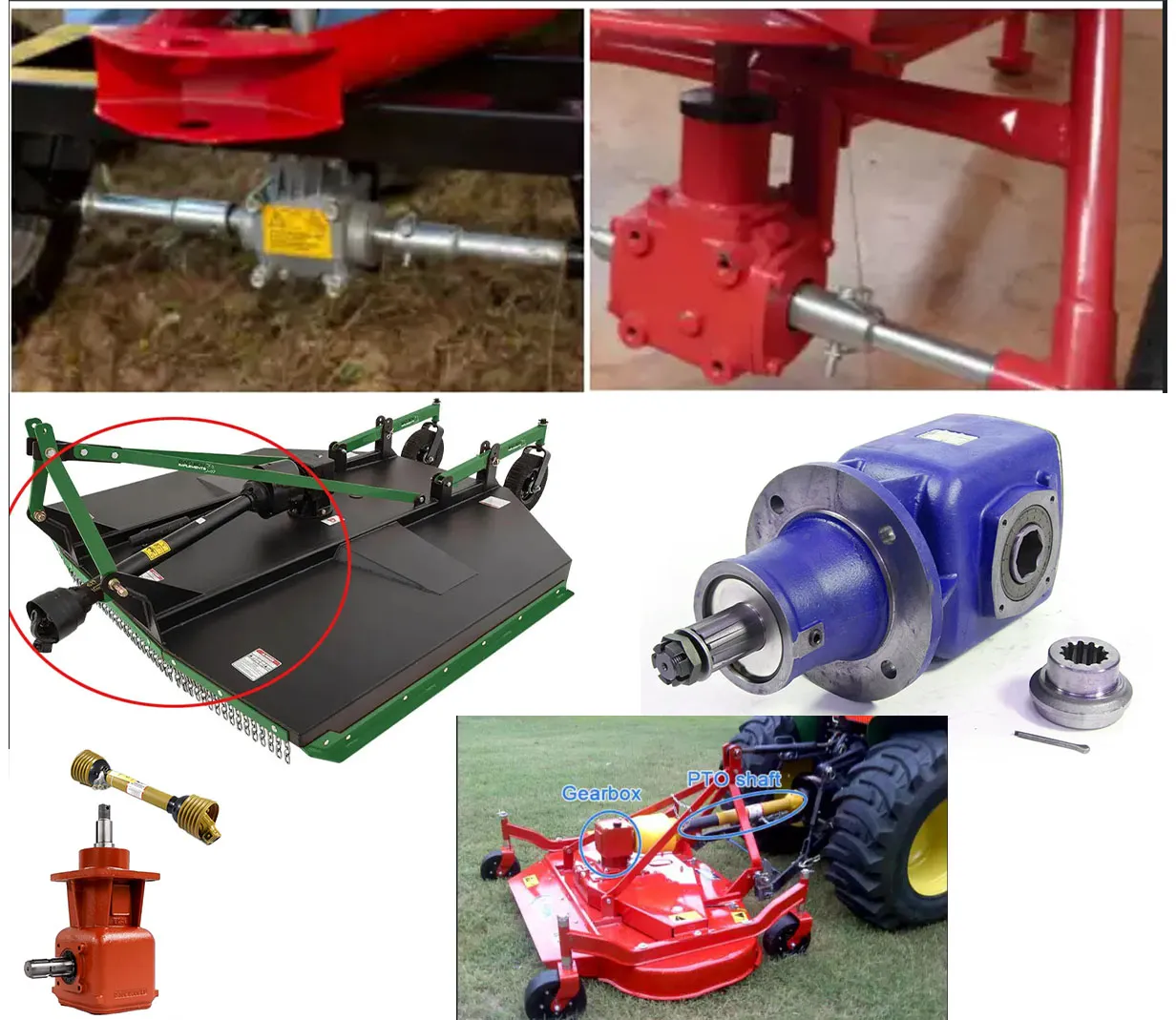
Figure 1: Internal Bronze Worm Wheel Structure designed for High-Torque Aeration.
Technical Specifications: Model EP-Aerator-90
The following specifications represent our premium line of reducers designed specifically for 2HP and 3HP paddlewheel aerators, optimized for the Korean market’s 60Hz power grid.
| Parameter Description | Specification Data |
|---|---|
| Gearbox Type | Single Stage Worm Gear Reducer |
| Housing Material | Cast Iron FC200 (Epoxy Coated) |
| Worm Shaft Material | 20CrMnTi Alloy Steel, Carburized & Quenched |
| Worm Wheel Material | Wear-Resistant Bronze Alloy (CuSn10Pb1) |
| Input Power Rating | 1.5 kW – 2.2 kW (2HP – 3HP) |
| Reduction Ratio | 1:14 / 1:16 |
| Output Speed (at 60Hz) | 105 – 120 RPM |
| Output Torque | 180 Nm – 240 Nm |
| Lubrication Type | ISO VG 460 Synthetic Gear Oil |
| Oil Capacity | 1.8 Liters |
| Seal Configuration | Double-Lip NBR / Viton (Input & Output) |
| Bearing Type | Tapered Roller Bearings (Heavy Load) |
| Weight (Dry) | 22 kg |
| Mounting Interface | Universal 4-Bolt Flange |
| Paint Standard | Anti-Corrosion Blue (RAL 5015) >100μm |
Regulatory Compliance & Local Adaptation for Korea
South Korea’s aquaculture sector, concentrated in the Jeollanam-do and Chungcheongnam-do provinces, operates under stringent environmental and safety regulations. One of the primary concerns for Korean farmers is compliance with the Electrical Appliances and Consumer Products Safety Control Act, often necessitating KC (Korea Certification) for the complete aerator assembly. While the gearbox itself is a mechanical component, its efficiency directly affects the motor’s current draw. Our gearboxes are tribologically optimized to ensure the motor operates within the rated amperage, preventing thermal overload trips that violate safety standards.
Additionally, the Korean market utilizes a 60Hz power frequency (unlike the 50Hz in China or Europe), which results in a 20% higher motor speed (approx. 1750 RPM for a 4-pole motor). If a standard 1:14 ratio gearbox designed for 50Hz is used in Korea, the impeller speed becomes too fast, causing excessive turbulence that can stress the shrimp and increase energy consumption. We provide customized ratios specifically for the Korean market to maintain the ideal impeller speed of 100-110 RPM, ensuring optimal oxygen transfer rates (SOTR) without physical damage to the livestock.
Environmental protection is another pillar of our design. Korean regulations on water pollution are strict regarding oil leakages in aquaculture zones. To address this, we have implemented a “Zero-Leak” protocol. This involves machining the seal journals to a roughness of Ra 0.4 and utilizing a proprietary double-lip seal layout with an external dust shield. This prevents the ingress of saline crystals which often abrade the seal lips, ensuring that the lubricant stays inside the box and the pond water stays clean.
Engineering Insight: The Thermal Challenge in Aeration
From a mechanical engineering standpoint, the primary failure mode of aerator gearboxes is thermal degradation. Worm gears operate on sliding friction, which naturally generates significant heat. In an enclosed cowling on a sunny day in a Korean summer, the ambient temperature can exceed 40°C. If the gearbox lacks sufficient thermal dissipation capacity, the internal oil temperature can rise above 90°C.
At this temperature, standard mineral oils oxidize rapidly, and rubber seals harden and crack. To counter this, our housing design incorporates extended cooling fins that increase the surface area by 35% compared to standard models. We also employ a larger oil sump capacity, acting as a thermal buffer. The worm wheel is cast from a specific Phosphor Bronze alloy (CuSn10P1) which has superior thermal conductivity compared to the Aluminum Bronze often used in cheaper alternatives. This material choice not only dissipates heat away from the contact patch more effectively but also provides a lower coefficient of friction, further reducing heat generation at the source.
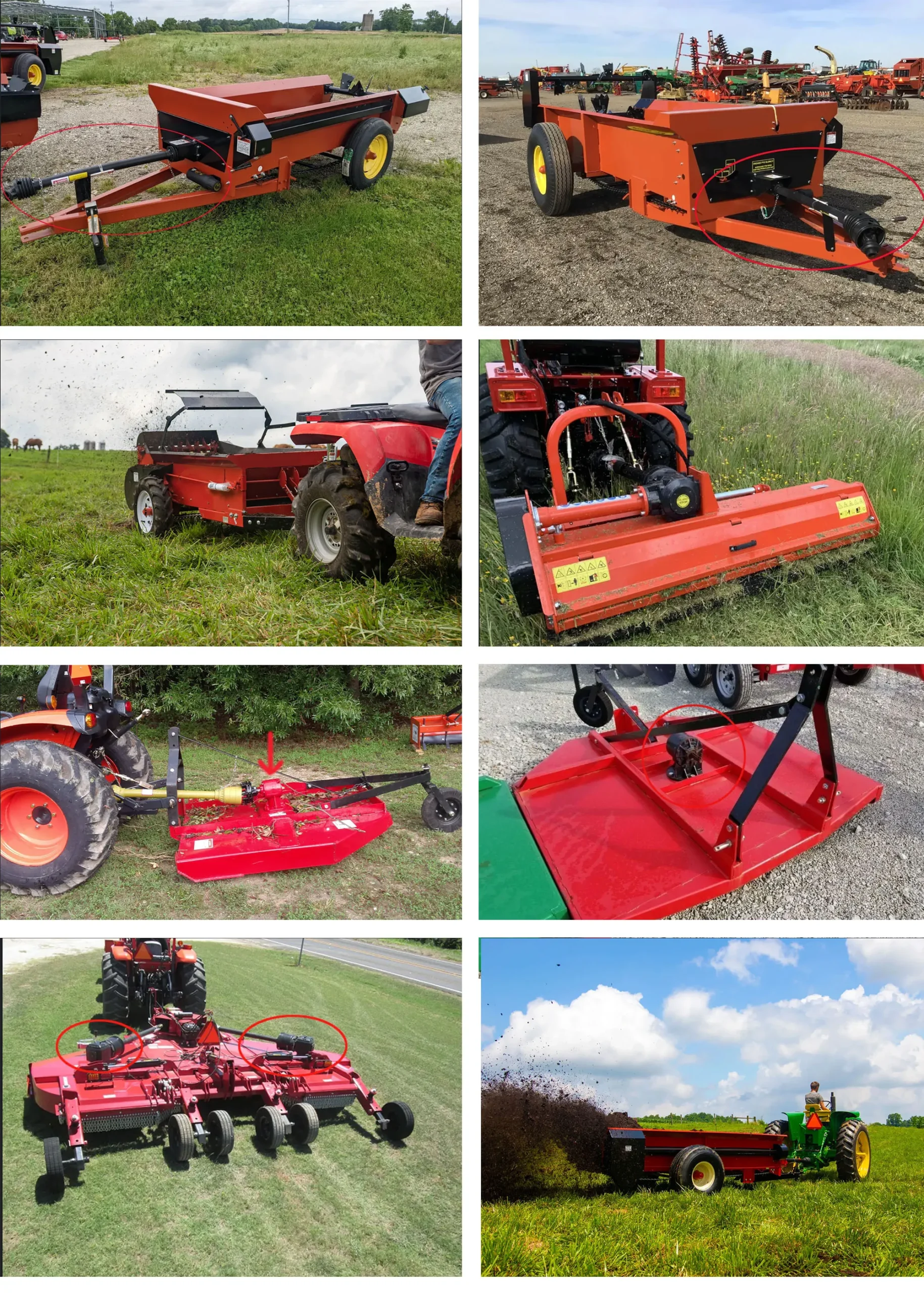
Figure 2: Paddlewheel aerators equipped with EVER-POWER gearboxes in a high-density pond.
Global Application Case Studies
Case 1: Whiteleg Shrimp Farm – Sinan, South Korea
Challenge: A large-scale organic shrimp farm in Sinan County faced recurrent gearbox failures during the “Jangma” rainy season. The rapid fluctuation in barometric pressure and temperature caused internal pressure buildup, forcing oil past the seals and contaminating the ponds.
Solution: We introduced our “Vented-Breather” series gearboxes. These units feature a specialized waterproof breather valve that allows air expansion without letting moisture in. We also upgraded the seals to Viton (FKM) to withstand the temperature spikes.
Result: Over two harvest cycles (10 months), the farm reported zero oil leaks across 50 installed units, maintaining pristine water quality required for their organic certification.
Case 2: Intensive Tilapia Farming – Mekong Delta, Vietnam
Challenge: Farmers were running 4-impeller aerators using undersized gearboxes intended for 2-impeller units to save costs. This led to stripped worm wheels within 3 months due to extreme torque overload.
Solution: Our engineering team conducted a site audit and recommended upgrading to our Heavy-Duty 3HP model with a reinforced output shaft diameter of 32mm. We also provided educational training on torque limits.
Result: The service life of the gearboxes extended to over 2 years, significantly reducing the replacement costs and downtime for the farmers.
Case 3: Brackish Water Ponds – Lampung, Indonesia
Challenge: High salinity combined with tropical humidity caused rapid external corrosion of the cast iron housings, leading to structural failure of the mounting feet.
Solution: We implemented a multi-layer coating process: a zinc-rich primer followed by two layers of epoxy marine paint. We also switched the mounting hardware to Stainless Steel 304.
Result: Visual inspections after 12 months showed no signs of rust or paint peeling, validating the enhanced corrosion protection protocols.
Why Partner with EVER-POWER?
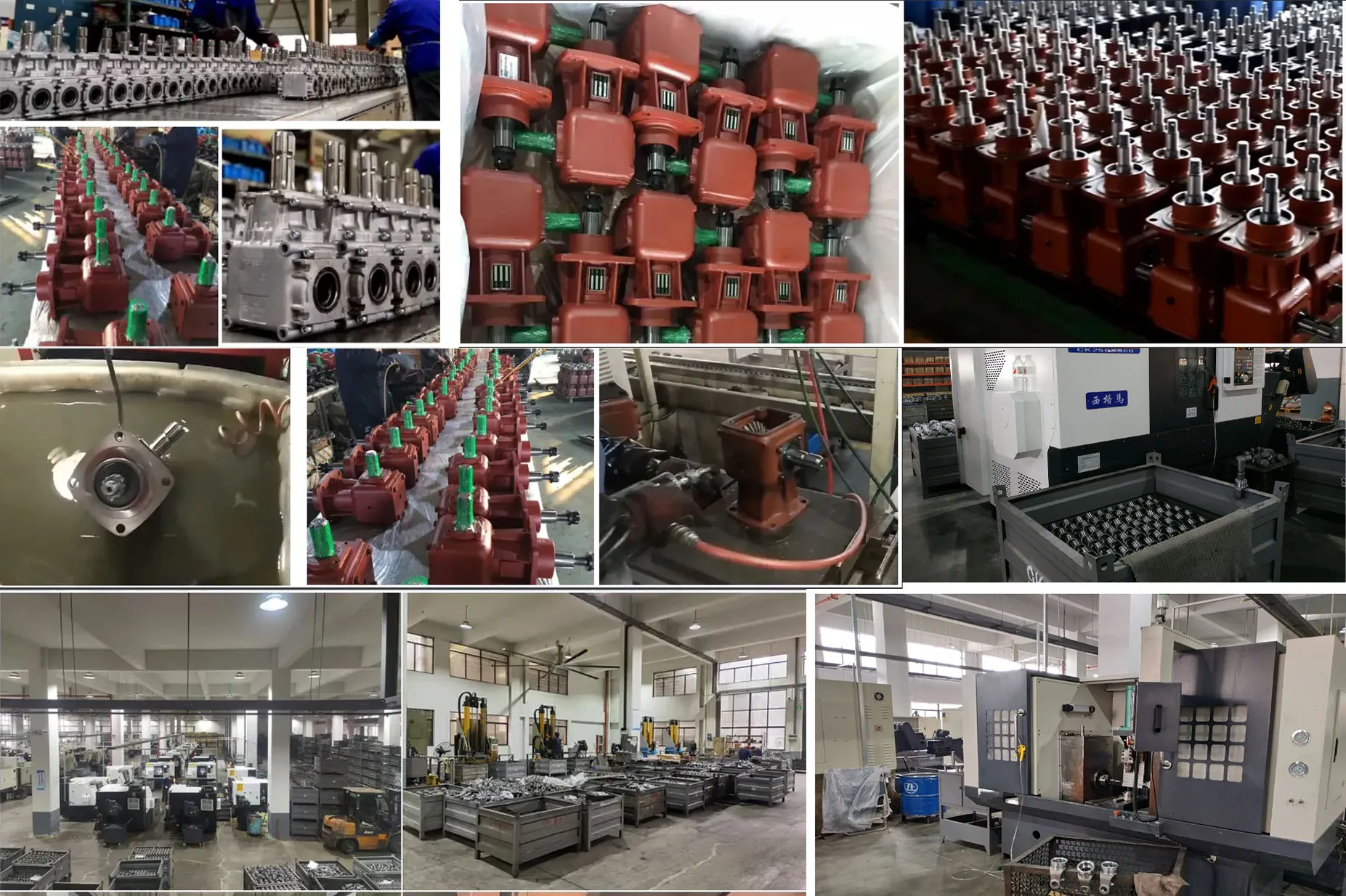
Choosing the right transmission partner is critical in the aquaculture industry, where equipment reliability directly correlates with yield survival. EVER-POWER distinguishes itself through a “Total Quality Control” approach that begins at the foundry. Unlike assemblers who purchase generic castings, we own our molding facility, allowing us to control the density and purity of the cast iron housings, ensuring no porosity that could lead to oil seepage.
Our commitment to material science is evident in our worm wheels. We do not use standard brass, which wears down quickly; instead, we strictly utilize high-grade Phosphor Bronze or Nickel Bronze alloys. Each batch of raw material undergoes spectral analysis to verify its composition before casting. Furthermore, every single agricultural gearbox that leaves our factory undergoes a 100% air-tightness test and a running noise test. This rigorous protocol ensures that when a Korean farmer installs our gearbox, it runs quietly and cleanly from day one.
We also understand the need for versatility. While our primary focus here is aerators, we are a comprehensive supplier for all agricultural drivetrain needs. Whether you require a standard pto gearbox for a tractor-driven emergency aerator or an agricultural pto gearbox for feed mixers, our diverse inventory and engineering capabilities allow us to be your single-source solution provider. Visit our product page to explore our full range.
Frequently Asked Questions (FAQ)
Q1: How often should I change the oil in my aerator gearbox?
For the first use, we recommend changing the oil after 300 hours of operation to remove any break-in metal particles. Afterward, change the oil every 2,500 to 3,000 hours. In the harsh conditions of Korean summers, checking the oil level monthly is advised.
Q2: Can I use this gearbox for a tractor-driven aerator?
This specific worm gearbox is designed for electric motor inputs. For tractor-driven applications, you would typically need a pto gearbox designed to handle the 540 RPM input from the tractor PTO shaft. We offer specific models for that application.
Q3: What causes the gearbox to overheat?
Overheating is usually caused by three factors: low oil level, using oil with incorrect viscosity (too thick or too thin), or overloading the aerator (e.g., too many impellers for the gearbox rating). Ensure the impellers are not submerged too deep, as this drastically increases torque load.
Q4: Is the gearbox compatible with variable frequency drives (VFD)?
Yes, our gearboxes are robust enough to handle the varying speeds of a VFD system. However, avoid running at very low speeds (below 20Hz) for extended periods, as the splash lubrication system may not effectively oil the upper bearings.
Q5: What should I do if water enters the gearbox?
If the oil looks milky, water has entered. You must drain the oil immediately, flush the gearbox with a cleaning oil, replace the seals (which are likely compromised), and refill with fresh synthetic gear oil. Ignoring this will lead to rapid bearing failure.