High-Efficiency Side Knife Gearbox for Rapeseed Headers
Engineered for Precision Separation in Tangled Crop Conditions
Engineering the Cut: The Role of the Rape Divider Drive
Harvesting oilseed rape (canola) presents a unique tribological and kinematic challenge compared to cereal crops. The vegetative architecture of Brassica napus creates a dense, interlocking canopy where lateral branches intertwine significantly. Standard grain headers with horizontal cutter bars often fail to cleanly separate the swath from the standing crop, leading to severe “header losses” due to pod shattering and mechanical blockages at the divider points. This is where the side knife gearbox becomes the critical operational node.
Also technically referred to as a vertical knife drive or rape divider drive, this specialized transmission unit converts rotary motion—typically from a hydraulic motor or a 12V/24V electric motor—into a high-frequency linear reciprocating motion. Unlike the heavy-duty transmission found in a main agricultural gearbox used for rotary tillers, the side knife unit must be lightweight to minimize header tip weight yet robust enough to withstand the high-cycle fatigue of driving double-acting knives at speeds exceeding 400 strokes per minute. The modern engineering trend has shifted away from complex belt-driven mechanical linkages towards independent, hydraulically driven gearboxes, allowing for variable speed control independent of the combine’s ground speed.
In the context of modern agronomy, particularly in regions with high-yield crops, the efficiency of the vertical cut directly correlates to yield retention. A sluggish or jammed side knife causes the crop to be pulled rather than cut, shaking ripe pods and scattering seeds onto the ground before they enter the feeder house. Therefore, the internal gearing precision, usually involving an eccentric bearing or a wobble box mechanism within the side knife gearbox, determines the cleanliness of the harvest.
Kinematics and Hydraulic Integration of Vertical Knife Drives
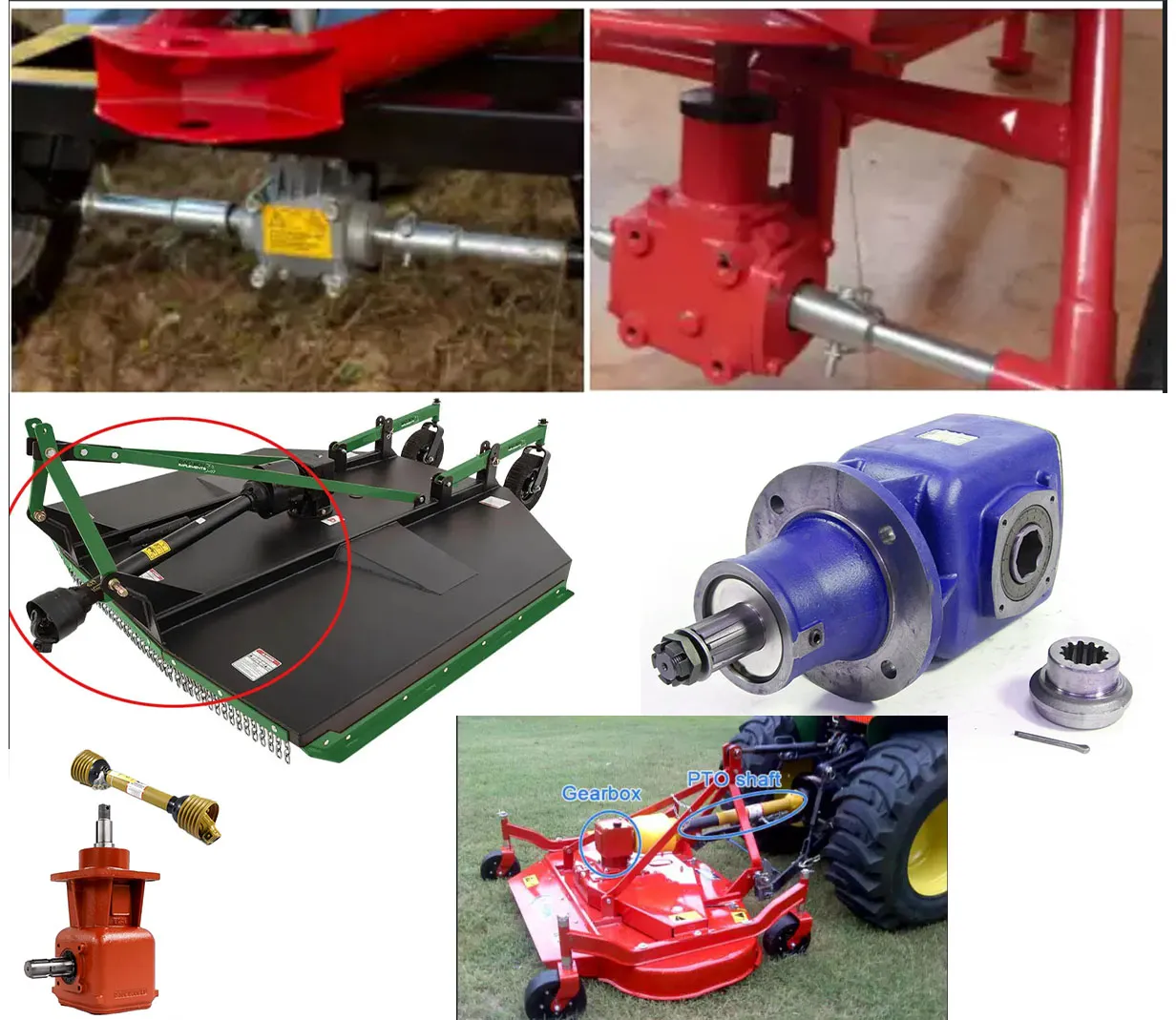
The core function of a vertical knife drive is the transformation of torque into linear thrust. In our latest generation of gearboxes, we utilize a hardened alloy steel eccentric shaft coupled with a high-grade connecting rod. This design minimizes vibration, which is detrimental to the structural integrity of lightweight extendable headers. The gearbox housing is typically cast from high-strength aluminum alloy (ADC12 or similar) rather than cast iron, significantly reducing the moment arm effect on the header ends.
For hydraulic applications, which are increasingly replacing mechanical PTO shaft driven systems for side knives, seal integrity is paramount. Our units employ double-lip Viton seals capable of withstanding the backpressure spikes common in hydraulic circuits during rapid start-stop cycles. The internal lubrication is designed for “splash” distribution, ensuring that the upper bearings receive adequate oil film even when the header is operating at tilt angles common in terraced fields.
Integration with the harvester’s main system is seamless. Whether you are running a agricultural gearbox system for the main auger or these auxiliary drives, the synchronization of hydraulic flow is key. Our gearboxes are compatible with standard orbital motors (Danfoss, Eaton styles), providing a plug-and-play solution for OEM header manufacturers.
Technical Specifications: Series VK-900 Hydraulic Drive
| Parameter | Specification | Notes |
|---|---|---|
| Drive Type | Hydraulic Motor / Electric DC | Direct flange mount options |
| Max. Input Speed | 600 – 800 RPM | Dependent on cutting frequency required |
| Stroke Length | 80mm – 100mm | Fixed stroke eccentricity |
| Cutting Height | 1.2m – 1.5m | Standard vertical blade assembly |
| Housing Material | Aluminum Alloy (ADC12) | Corrosion-resistant coating |
| Lubrication | Semi-fluid Grease / SAE 90 | Maintenance-free options available |
| Weight (Gearbox Only) | 4.5 kg – 6.2 kg | Lightweight design for header stability |
Regional Adaptability: The South Korean Agronomic Context
South Korea represents a sophisticated market for specialized agricultural machinery, driven by the need to maximize efficiency on relatively small but intensively farmed plots. While rice remains the dominant crop, the rotation of winter crops like rapeseed (canola) in southern provinces such as Jeollanam-do and the island of Jeju is significant for oil production and agri-tourism. The operating environment here differs vastly from the broadacre plains of North America.
Regulatory Compliance (KS B ISO): Agricultural machinery components imported into or utilized in Korea must adhere to strict safety standards. Our side knife gearbox units are designed in compliance with KS B ISO 4254-7 (Combine harvesters and forage harvesters – Safety). This includes specific requirements for guarding moving parts. Our gearboxes feature enclosed eccentric drives where the moving connecting rod is protected, reducing the risk of entanglement for operators performing maintenance in the field.
Terrain Specifics: Korean fields often involve paddy conversion, meaning the soil can be softer and the humidity higher. The “rape divider drive” must resist corrosion from the humid, salty air coastal regions like Jeju. We utilize a specialized electrophoretic coating (E-coat) on the steel components and an anodized finish on aluminum housings to prevent oxidation. Furthermore, since Korean farmers often utilize compact combine harvesters (brands like Daedong, TYM, or imported Kubota units), our gearboxes are designed with a compact envelope to fit these smaller headers without protruding excessively or causing collision risks during transport on narrow rural roads.
Local farmers demand high reliability because the harvest window in Korea is short, often sandwiched between the spring rains and the planting of the subsequent rice crop. A failure in the vertical knife drive can delay the entire harvest chain. Our distribution partners in the region value the high service factor of our gearboxes, which ensures they can handle the wet, heavy stems typical of the Korean rapeseed varieties.
Why Leading OEMs Choose ever-power Drivetrains
In the competitive landscape of agricultural transmission manufacturing, ever-power stands as a beacon of reliability and engineering precision. Choosing the right partner for your agricultural gearbox needs—whether it is a heavy-duty rotary cutter box or a precision side knife gearbox—is a strategic decision that impacts the uptime and reputation of your machinery. Our facility is not merely an assembly plant; it is a vertically integrated engineering hub.
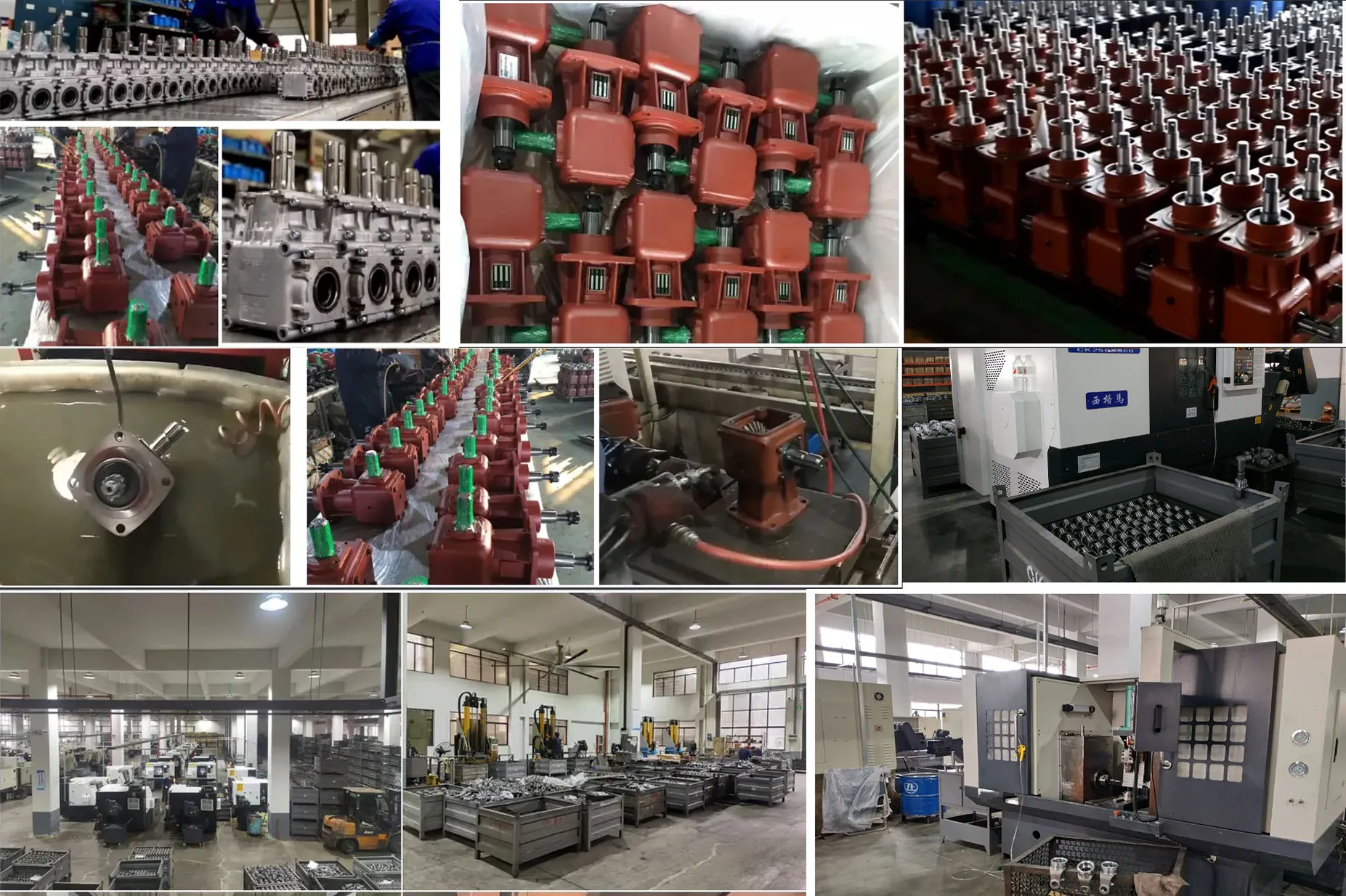
We employ advanced CNC machining centers to grind our eccentric shafts and gears to micron-level tolerances. This precision is critical for the “rape divider drive,” as any play in the mechanism translates to blade vibration, accelerated wear, and eventual fatigue failure of the knife assembly. Unlike generic aftermarket replacements that often use inferior recycled aluminum for housings, ever-power utilizes virgin alloy ingots, ensuring high tensile strength and thermal stability under load. Our quality control protocols are rigorous, involving 100% run-testing of every gearbox to verify seal integrity and noise levels before packaging.
Beyond the product itself, our logistical capabilities ensure that your supply chain remains uninterrupted. We maintain a comprehensive inventory of spare parts and standardized units compatible with major global harvester brands. Our engineering team is available to collaborate on custom mounting interfaces, allowing for seamless integration into your specific header designs. When you choose ever-power, you are choosing a partner dedicated to reducing your warranty claims and enhancing the end-user experience.
Global Field Performance: Validating the Vertical Knife Drive
Case Study 1: Jeju Island, South Korea (High Humidity/Salinity)
Challenge: A cooperative of canola growers in Seogwipo faced recurrent failures of their electric side knives. The moist, salty air caused corrosion on the electric motor contacts and the gearbox output shafts, leading to seizure mid-harvest.
Solution: ever-power supplied a hydraulically driven side knife gearbox with marine-grade stainless steel output shafts and enhanced triple-lip sealing. The shift from electric to hydraulic removed the sensitive electronics from the exposure zone.
Outcome: The cooperative reported a 100% uptime rate over two harvest seasons. The hydraulic drive provided consistent torque to cut through the wet, thick stems typical of the island’s volcanic soil crops.
Case Study 2: Saskatchewan, Canada (High Yield/Heavy Load)
Challenge: A large-scale OEM manufacturer of draper headers needed a solution for their 45-foot headers. Standard vertical knife drives were overheating and failing due to the sheer volume of biomass in high-yield GMO canola fields.
Solution: We developed a “Heavy-Duty” version of our VK-900 series, featuring an enlarged oil reservoir for better thermal dissipation and needle bearings on the connecting rod instead of bushings.
Outcome: Thermal imaging during field tests showed a 15°C reduction in operating temperature. The OEM adopted the unit as standard for their “Pro Series” headers, citing improved durability under maximum load.
Case Study 3: Brandenburg, Germany (Regulatory & Efficiency)
Challenge: European regulations required strict noise limits and vibration reduction for operator comfort on newer combine cabs. Older mechanical wobble-boxes were generating excessive noise.
Solution: ever-power implemented a precision-balanced eccentric weight system within the rape divider drive. By fine-tuning the counterweight mass, we neutralized the inertial forces of the reciprocating knife.
Outcome: Vibration transfer to the header frame was reduced by 40%, and the noise level dropped below the required threshold, facilitating EU certification for the client’s new header line.
Frequently Asked Questions (FAQ)
Q1: Can your side knife gearbox replace the mechanical belt-driven systems on older headers?
Yes, retrofitting is a common application. However, converting from a belt drive to our independent hydraulic gearbox requires installing hydraulic lines to the header ends. This upgrade significantly improves performance by allowing the vertical knife speed to be independent of the combine engine RPM.
Q2: What is the recommended maintenance schedule for the rape divider drive?
For grease-lubricated units, we recommend injecting high-temp lithium grease every 50 hours of operation. For oil-bath models, check the level daily via the sight glass and change the oil annually or every 500 hours. Always inspect the connecting rod bearings for play before the season starts.
Q3: Is the electric 12V/24V version as powerful as the hydraulic version?
Electric versions are excellent for smaller headers (up to 20-25 feet) or lighter crop conditions. However, for large commercial headers (>30 feet) or heavy, wet crops like those found in parts of Korea or Northern Europe, the hydraulic side knife gearbox offers superior torque density and stall resistance.
Q4: Do you supply the complete vertical knife assembly or just the gearbox?
We primarily specialize in the gearbox manufacturing. However, for strategic OEM partners, we can source and supply the compatible knife bar, guides, and mounting brackets to provide a “complete kit” solution.
Q5: How does this gearbox handle the “pto shaft” connection if used mechanically?
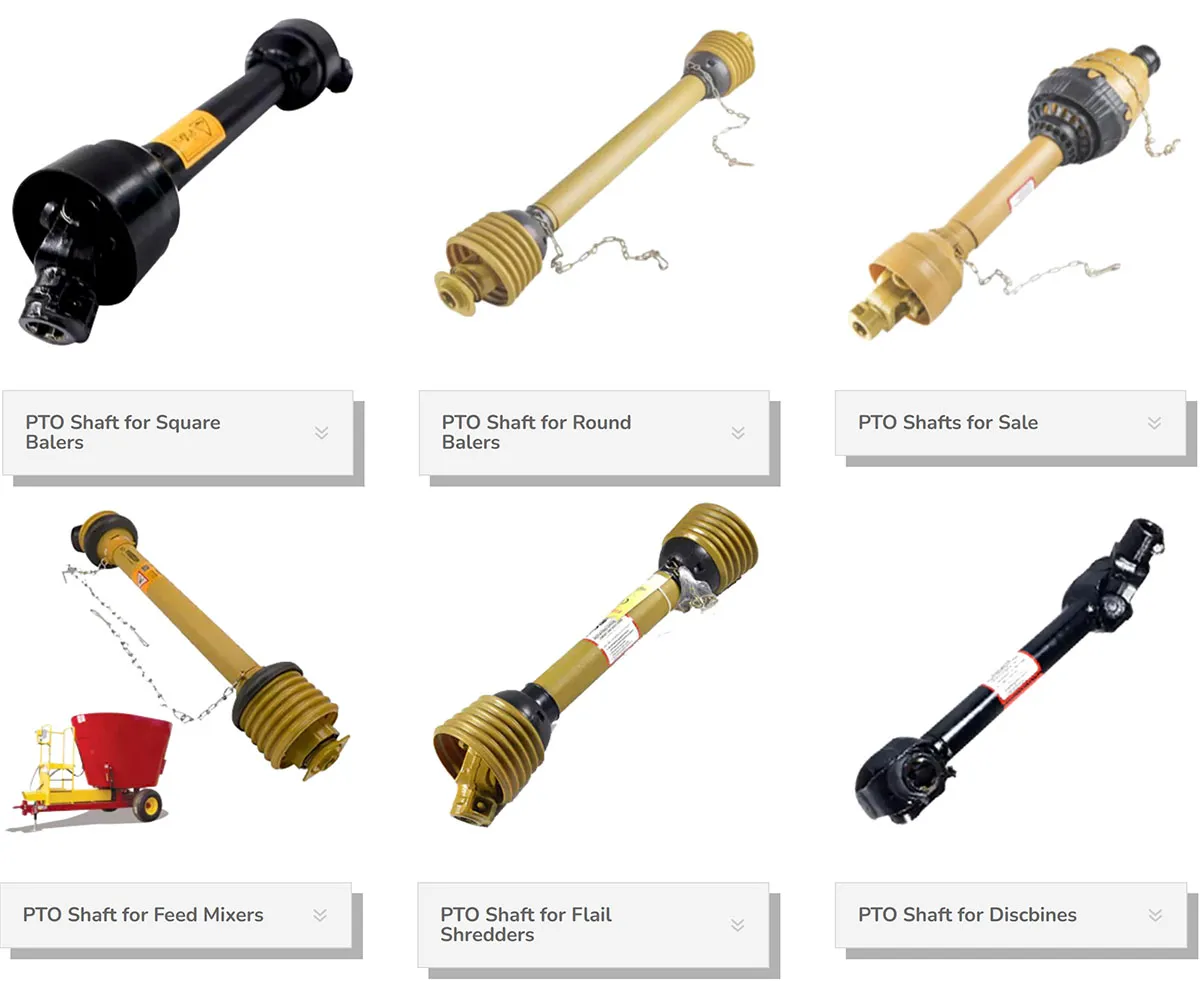
While most modern side knives are hydraulic, mechanical versions utilize a small pto shaft or drive shaft running from the main header drive. Our mechanical input gearboxes feature standard 6-spline or keyed input shafts to accept these universal joints. Ensure your agricultural gearbox system alignment is correct to prevent vibration.
Upgrade Your Harvesting Efficiency Today
Contact our engineering team to discuss specifications for your Rape Divider Drives.