Heavy-Duty Irrigation Wheel Gearboxes for Center Pivots in Korea
Delivering unstoppable torque and superior traction for large-scale irrigation systems across the Korean Peninsula.
The Heart of Mobile Irrigation: High-Torque Wheel Drives
In the realm of mechanized agriculture, the center pivot and linear move irrigation system stands as a titan of efficiency. However, the immense structure of these machines relies entirely on the reliability of the Wheel Gearbox (Wheel Drive) to traverse difficult terrain. Whether operating on the reclaimed agricultural lands of Seosan in South Korea or the rolling sod farms of Gyeonggi-do, the wheel gearbox serves as the critical final drive unit. It is responsible for converting the high-speed, low-torque output from the center drive motor (transmitted via drive shafts) into the massive low-speed torque required to propel heavy tires through deep mud, crop ruts, and undulating fields.
Unlike standard industrial gearboxes, irrigation wheel drives operate in a uniquely hostile environment. They are subjected to constant water spray, chemical fertilizers, extreme temperature fluctuations between day and night, and heavy radial loads. A failure in just one gearbox can stall an entire 500-meter machine, leading to uneven watering, crop stress, or structural damage to the pivot spans due to misalignment. Therefore, the engineering focus for these units is not merely on power transmission, but on impervious sealing and load-bearing longevity.
ever-power’s series of irrigation wheel gearboxes are engineered to exceed the industry standard “50:1” and “52:1” specifications. We utilize high-strength worm gear sets housed in heavy-duty cast iron cases designed to withstand the “start-stop” shock loads typical of electric pivot timers. Our designs specifically address the challenges found in East Asian agriculture, such as high humidity levels during the monsoon season, ensuring that water ingress—the primary killer of gearboxes—is effectively neutralized through advanced multi-lip cartridge sealing technologies.
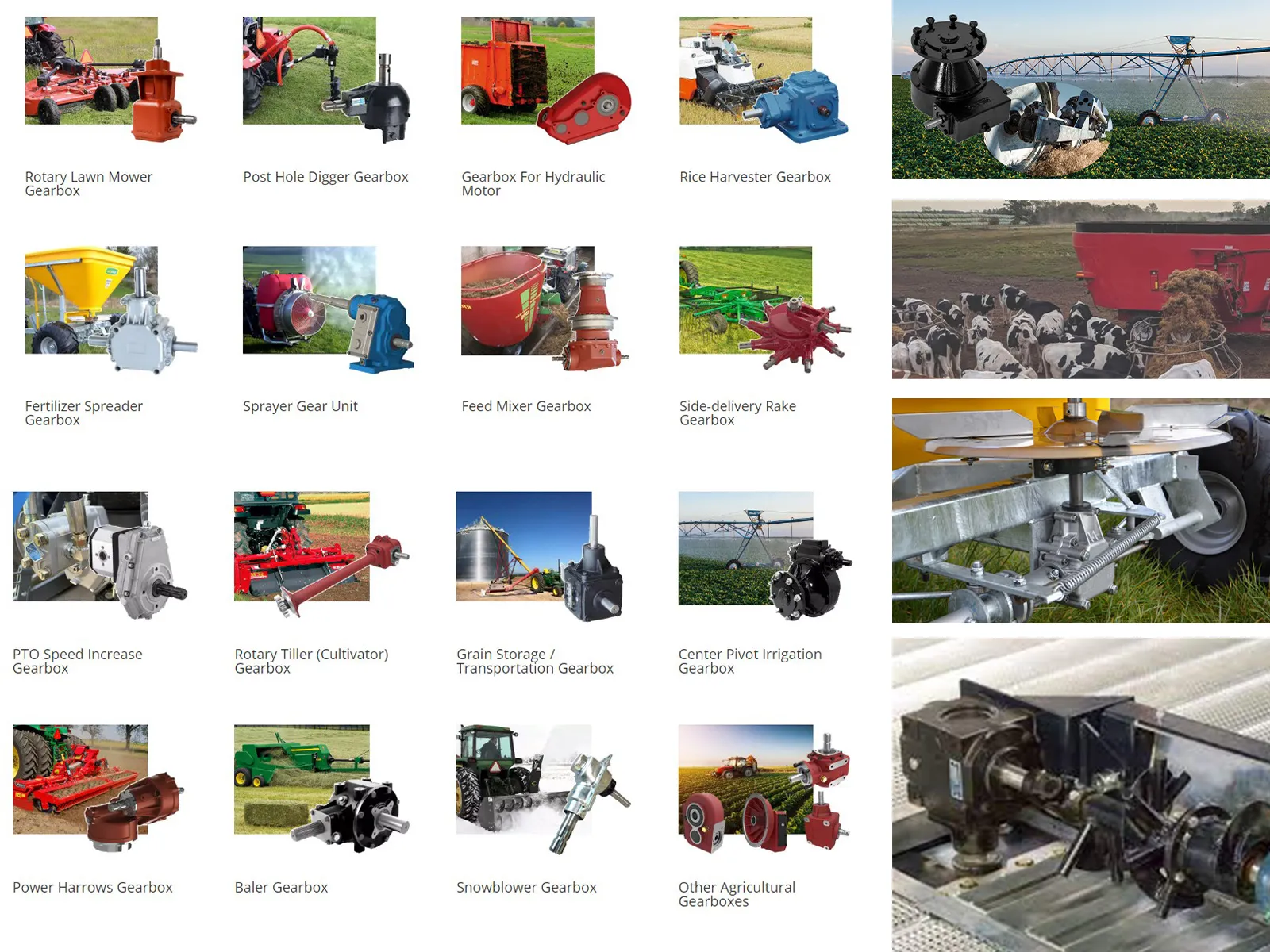
Technical Specifications: 700 Series Heavy Duty Wheel Drive
Our wheel gearboxes are designed to be universally compatible replacements for major irrigation brands (such as Valley, Lindsay/Zimmatic, Reinke) while offering enhanced durability features. The following parameters define our core product offering for the Korean and international markets.
| Specification Parameter | Data / Value | Engineering Notes |
|---|---|---|
| Gear Ratio | 50:1 (Standard) / 52:1 (High Torque) | Worm gear reduction |
| Output Torque (Continuous) | 60,000 in-lbs (6,780 Nm) | Designed for heavy mud conditions |
| Output Shaft Diameter | 2.25 inches (57.15 mm) | High-strength alloy steel |
| Input Shaft Sizes | 3/4″, 7/8″, or 1″ Round/Square | Universal mounting flanges |
| Worm Gear Material | Ductile Iron (standard) or Bronze | Bronze option for extended life |
| Housing Material | Grey Cast Iron / Ductile Iron | Deep finned for cooling |
| Bearings | Large Tapered Roller Bearings | Pre-loaded for axial loads |
| Oil Capacity | Approx. 3.8 Liters (1 Gallon) | Includes expansion chamber |
| Sealing System | Dual Input / Multi-lip Output | Cartridge style, crop-guard shielded |
| Efficiency | Self-locking capability | Prevents roll-back on inclines |
| Weight | 48 kg – 55 kg | Heavy mass for stability |
| Lubrication | GL-5 85W-140 | Extreme Pressure (EP) additive |
| Operating Temp | -30°C to +70°C | All-season capability |
| Overhung Load | Up to 13,000 lbs | Supports heavy tire/rim assemblies |
| Mounting Pattern | Standard 9-Bolt or 8-Bolt Hubs | Industry standard spacing |
Mechanics of Motion: The Worm Drive Advantage
The selection of a worm gear mechanism for irrigation wheel drives is not arbitrary; it is an engineering necessity. A worm drive consists of a worm screw (input) meshing with a worm wheel (output). This configuration offers two distinct advantages critical for pivot irrigation. First, it allows for a massive reduction ratio (typically 50:1) in a single compact stage. This means a small, efficient electric motor spinning at 1700 RPM can drive the wheels at a slow, steady 34 RPM, providing the immense torque needed to push the tower through deep mud without stalling.
Secondly, and perhaps more importantly for safety on uneven Korean terrain, is the “self-locking” characteristic of high-ratio worm gears. When the motor stops, the friction inherent in the worm gear design prevents the output shaft from back-driving. This acts as an automatic brake, holding the heavy pivot tower in place even on slopes. Without this feature, a heavy machine could freely roll downhill when the power cuts out, potentially causing catastrophic structural collapse. ever-power optimizes the lead angle of our worm screws to maximize this braking holding power while maintaining acceptable efficiency during operation.
Regional Adaptability: South Korea’s Unique Agricultural Landscape
While center pivot systems are ubiquitous in the American Midwest, their application in South Korea requires specific adaptations due to the peninsula’s topography and climate.
Compliance with KS Standards & Safety
Machinery imported into or manufactured for South Korea must often adhere to rigorous safety standards. ever-power gearboxes are manufactured in facilities that follow ISO 9001 quality protocols, aligning with the requirements of the Korean Agency for Technology and Standards (KATS). Specifically, our enclosed guarding designs for input shafts meet the safety protocols outlined in KS B ISO 4254-1 (Agricultural machinery – Safety), ensuring that rotating shafts are adequately shielded to protect operators in smaller, intensively managed Korean fields.
Combatting the “Jangma” (Monsoon) Season
The Korean summer monsoon brings torrential rains and high humidity. Standard gearboxes often “breathe” in moisture as they cool down at night, leading to water contamination in the oil. Once water enters, it emulsifies the oil and corrodes the bearings, leading to failure. To combat this, ever-power wheel drives destined for the East Asian market feature an Internal Expansion Chamber. This flexible diaphragm allows the oil to expand and contract with temperature changes without exchanging air with the outside environment. This “closed-loop” system keeps the humid Korean air out, ensuring the lubricant remains pure season after season.
Furthermore, in reclaimed land areas like the Saemangeum or Seosan reclamation projects, the soil can be saline and highly corrosive. Our gearboxes feature an epoxy-based multi-layer paint system that resists salt spray corrosion far better than standard industrial enamels, protecting the casting integrity for years.
Market Analysis: ever-power vs. Generic Alternatives
In the B2B procurement landscape, buyers often weigh the balance between initial cost and Total Cost of Ownership (TCO). While generic gearboxes may look identical on the outside, internal metallurgy and tolerances dictate lifespan.
- 1. Worm Gear Metallurgy
Generic: Often use standard cast iron for both worm and wheel. This creates high friction and rapid wear.
ever-power: We use a High-Strength Ductile Iron or an optional Aluminum Bronze alloy for the worm wheel. Bronze has self-lubricating properties and a lower coefficient of friction against the steel worm screw, significantly reducing operating temperatures and extending wear life by up to 40%. - 2. Bearing Pre-Load Strategy
Generic: Often assembled with standard clearances. Over time, the bearings loosen, causing the shaft to wobble and destroy the seals.
ever-power: Our output bearings are set with a specific End-Play Pre-Load. This tightness ensures that even as the gearbox heats up and expands, the shaft remains rigid, preserving the integrity of the seal face against the shaft surface. - 3. Seal Protection
Generic: Exposed rubber lips that can be wrapped by crop residue (vines/grass).
ever-power: We employ an external Crop Guard—a metal shield that rotates with the shaft, physically preventing long grass or rice straw from winding around the shaft and damaging the rubber seal underneath.
*Note: Comparisons based on typical market samples. Specific competitor specifications may vary.*
Global & Local Application Success Stories
South Korea: Seosan Reclaimed Land Project
Challenge: A large-scale forage crop farm on reclaimed coastal land in Chungcheongnam-do faced constant gearbox corrosion. The salty sea breeze and mud caused standard gearboxes to rust through, and seal failures were frequent due to fine abrasive silt.
Solution: ever-power supplied the 740UV series with specialized epoxy coating and “cassette” type seals. These seals have their own internal running surface, meaning the seal lip doesn’t wear grooves into the shaft itself.
Outcome: The farm reported a 90% reduction in oil leak incidents over a 3-year period. The gearboxes withstood the saline mud environment, ensuring uninterrupted irrigation during the critical dry spells in spring.
USA: Nebraska Corn Belt
Challenge: A client in Nebraska ran a 1000-meter pivot system. The outer towers traveled at high speeds, creating deep ruts. The shock loads from the wheels dropping into these ruts were snapping the output shafts of competitor gearboxes.
Solution: We recommended our High-Load model featuring a 2.25-inch oversize output shaft made from induction-hardened 1045 alloy steel.
Outcome: Shaft breakage was eliminated. The enhanced load-bearing capacity allowed the farmer to use larger, non-directional tires for better flotation without fear of drivetrain failure.
Australia: Queensland Cotton Fields
Challenge: Extreme heat (45°C+) was causing gear oil to thin out and lose viscosity, leading to metal-on-metal wear in the worm gear set.
Solution: ever-power provided units filled with high-viscosity synthetic worm gear oil and housing with extended cooling fins to increase thermal dissipation surface area.
Outcome: Operating temperatures dropped by 15°C compared to previous units, significantly extending the life of the bronze worm gears and reducing maintenance intervals.
Why Choose ever-power for Your Irrigation Drivetrain?
In an industry where a single component failure can jeopardize a season’s harvest, trust is the most valuable specification. ever-power has spent over 15 years refining the manufacturing process of agricultural gearboxes. We do not simply assemble parts; we engineer reliability.
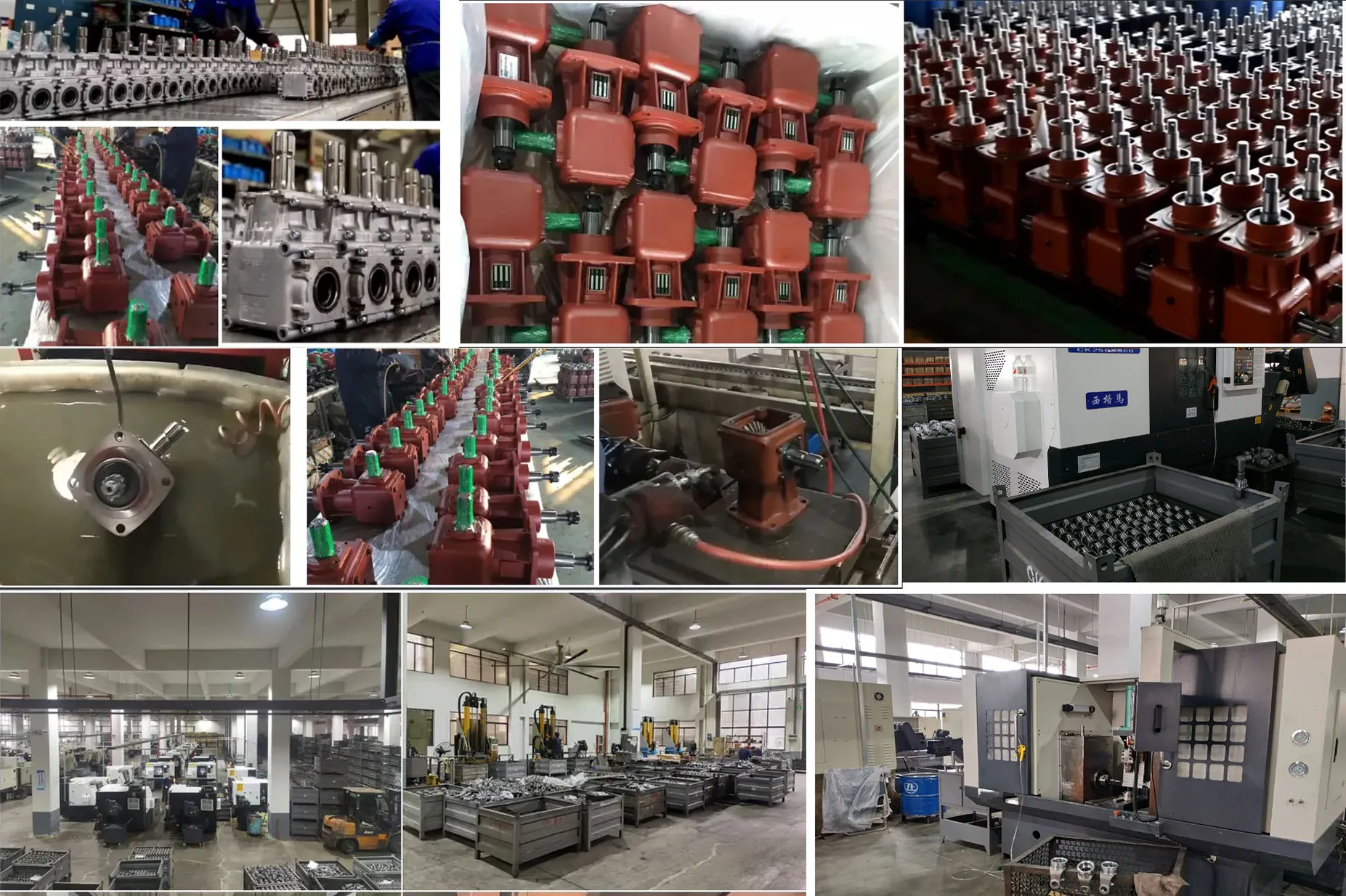
Our facility boasts advanced gear hobbing and grinding machinery that ensures precise tooth contact patterns. This precision reduces noise and friction, resulting in a cooler-running gearbox. We are one of the few manufacturers that perform 100% leak testing on every wheel gearbox that leaves our line. Using pressurized air decay testing, we verify seal integrity to microscopic levels, ensuring that when your gearbox arrives in Korea, it is ready for the mud.
Furthermore, we understand the logistical needs of global B2B partners. We maintain a strategic inventory of common ratios (50:1, 52:1) and mounting configurations to ensure rapid shipping times. Our technical support team is available to assist with cross-referencing part numbers from older Valley or Zimmatic machines, ensuring you get the exact drop-in replacement you need. When you choose ever-power, you are choosing a partner dedicated to keeping your irrigation systems moving, no matter the terrain or the weather.
Frequently Asked Questions (FAQ)
Q1: Can I mix different gear ratios on the same pivot machine?
A: No. Mixing 50:1 and 52:1 gearboxes on the same machine (or even the same tower) will cause speed mismatches. This leads to the machine “pushing” or “pulling” itself, causing structural stress and alignment faults. Always replace with the same ratio. You can check the ratio by counting input turns vs output turns.
Q2: What is the difference between the “Towable” and “Non-Towable” wheel gearboxes?
A: A “Towable” gearbox has a mechanism (usually a lever or pin) that disengages the worm gear from the worm shaft. This allows the wheels to free-wheel so the pivot can be towed by a tractor to a different field. Non-towable units are permanently engaged and cannot be moved without power.
Q3: How often should I change the oil in the wheel gearbox?
A: We recommend changing the oil after the first season (break-in period) to remove any metal particles. After that, change the oil every 2-3 years or anytime water contamination is suspected. In humid climates like Korea, annual checks for water (milky oil) are advised.
Q4: My gearbox is leaking from the expansion chamber. Is this normal?
A: A small amount of “mist” is normal, but active leaking usually means the chamber diaphragm is ruptured or the gearbox was overfilled. If overfilled, the oil has nowhere to go when it expands and will force its way out. Check the oil level; it should be just below the fill plug.
Q5: Are your gearboxes compatible with Valley® pivot mounting patterns?
A: Yes, our standard wheel drives feature a universal mounting flange that fits the standard bolt patterns used by Valley, Lindsay, and Reinke. We offer specific offset rims if needed, but the gearbox interface is industry standard.
Complete Your Irrigation Drivetrain
To ensure maximum uptime, consider replacing the entire drivetrain assembly. ever-power offers a full suite of compatible components:
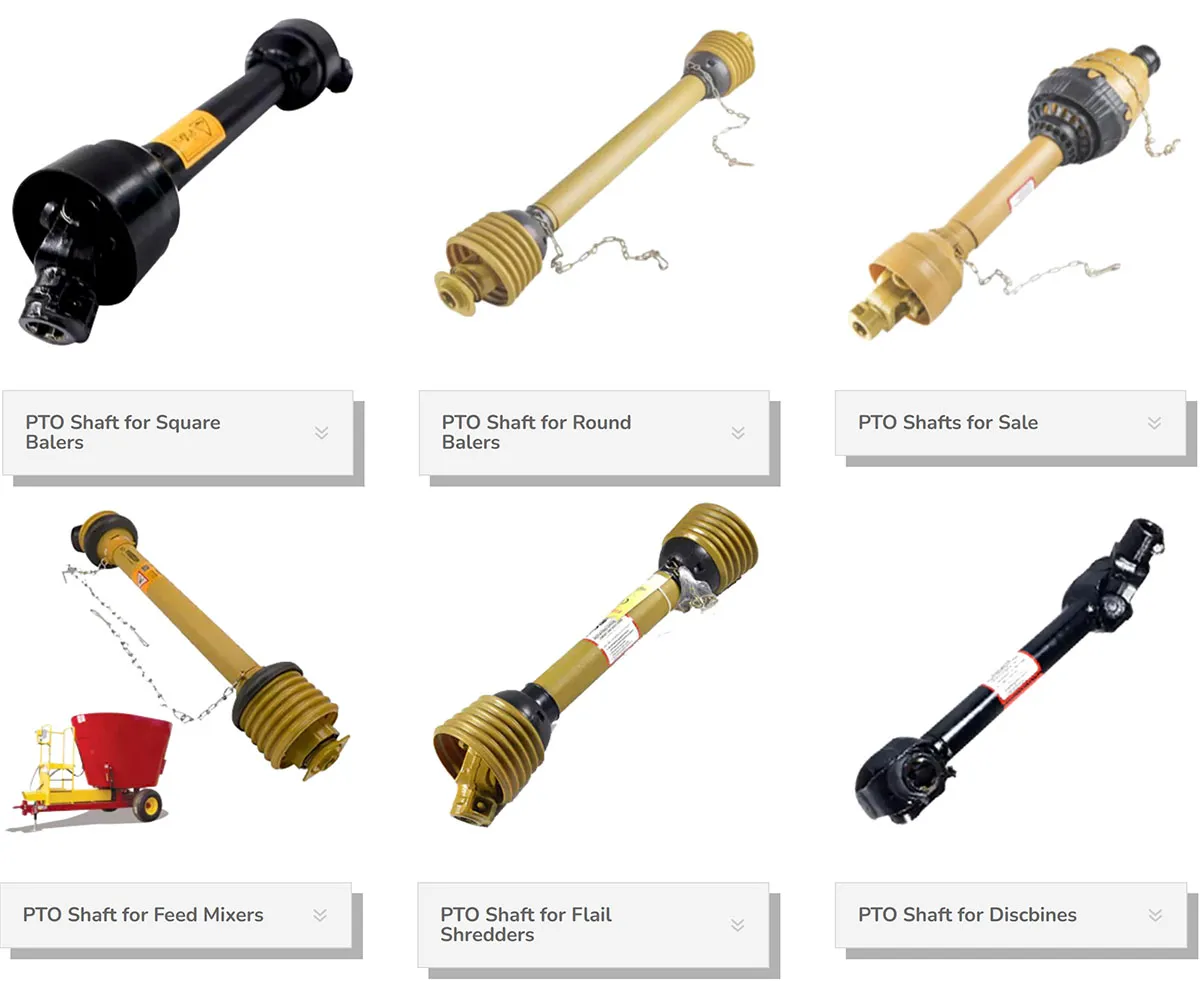
Shock-absorbing couplers that connect the center motor to the wheel gearboxes, protecting against misalignment.
Keep Your Irrigation Systems Moving
Don’t let a gearbox failure dry out your profits. Upgrade to ever-power Heavy Duty Wheel Drives today.