The Heart of Centrifugal Feeders: High-Precision Dosing Gearboxes
Engineered for High-Density Korean Aquaculture. Salt-Spray Resistant. Precision Dosing.
Precision Agriculture in Aquatic Environments: The Role of the Dosing Gearbox
In modern aquaculture, the automated feeder is not merely a tool for dispersing food; it is the primary execution terminal for “Precision Farming” in water. For centrifugal (throwing) feeders, the operational principle is divided into two distinct systems: the high-speed motor driving the throwing disc for dispersal, and the low-speed gearbox driving the screw or drum mechanism for quantitative dosing. Among these, the Dosing Mechanism Gearbox is the critical component that directly determines the economic efficiency of the farm.
In South Korea’s major aquaculture regions, such as Jeollanam-do and Jeju Island, high-density farming of Olive Flounder (Halibut) and Whiteleg Shrimp demands an exceptionally low Feed Conversion Ratio (FCR). If the dosing gearbox suffers from unstable transmission ratios or fluctuating torque output, the feed dosage becomes inconsistent. Over-feeding not only wastes expensive high-protein pellets but also leads to uneaten bait decomposing on the pond floor, causing eutrophication and ammonia spikes. Conversely, under-feeding triggers aggressive competition among fish, leading to uneven size distribution and cannibalism. Therefore, our R&D team defines this compact gearbox as a “Precision Metering Instrument” rather than a simple power transmission component.
Unlike large-scale agricultural pto gearboxes used in tractors, the feeder dosing gearbox is typically driven by low-power DC or AC motors, operating in a low-speed, high-torque state. It must possess rapid start-stop response characteristics to synchronize with the “interval feeding” commands from the central control system. Our product utilizes a specialized gear profile design that eliminates the “stick-slip” phenomenon common in traditional worm gears at low speeds, ensuring that every rotation delivers a precise weight of feed pellets, truly realizing the hardware implementation of digital aquaculture.
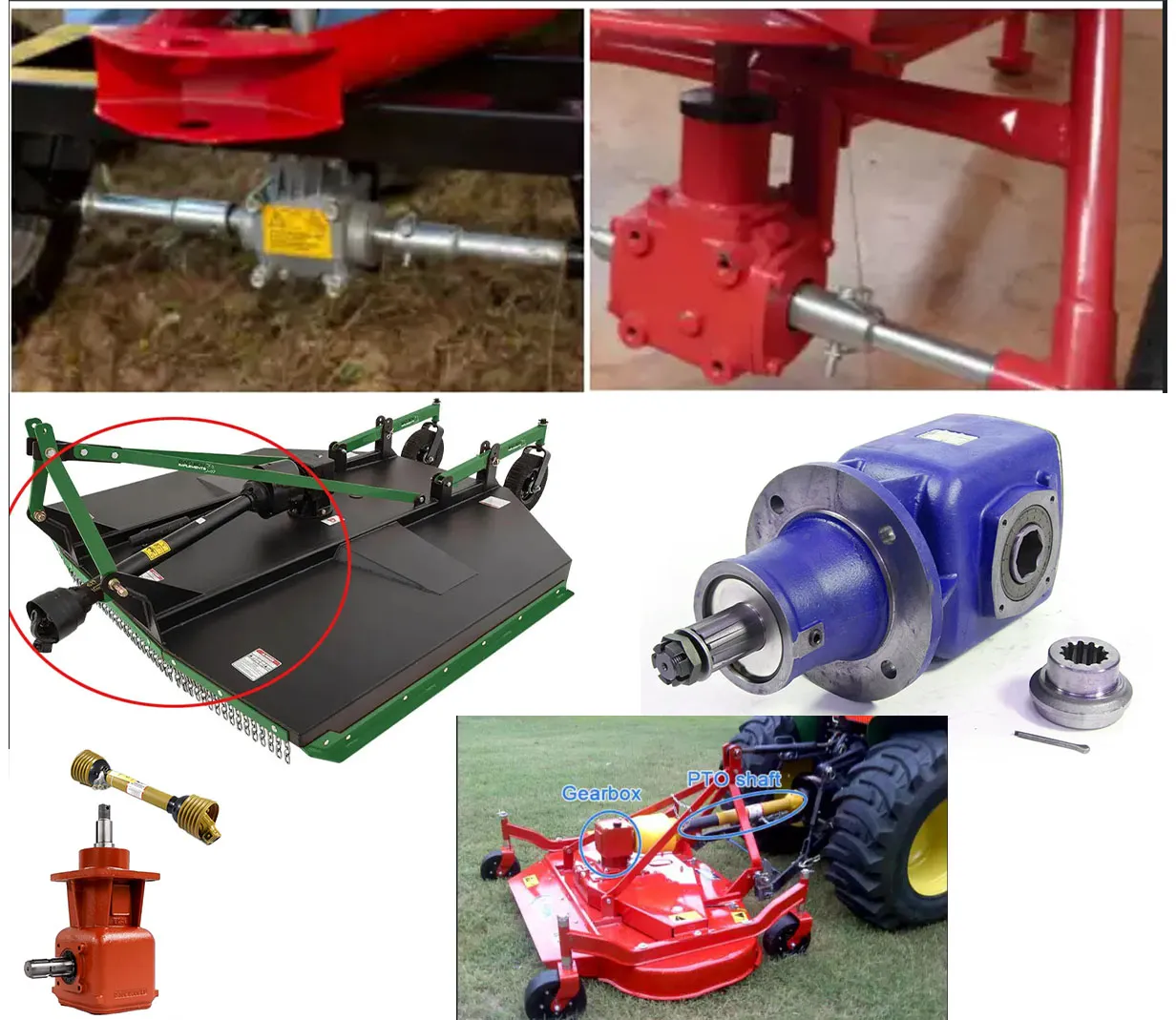
Figure 1: Precision-machined internal gear structure ensuring accurate dosing control.
Technical Specifications: Built for High-Salinity Environments
To meet the rigorous operating conditions of coastal farms in Korea and East Asia, we have established the following technical standards based on years of field data accumulation. These parameters are optimized to perfectly adapt to mainstream automatic feeder brands.
| Parameter | Specification Data |
|---|---|
| Rated Input Power | 60W – 200W (DC24V / AC220V) |
| Reduction Ratio Options | 1:30, 1:45, 1:60 |
| Output Speed | 20 – 60 RPM |
| Rated Output Torque | 8 Nm – 25 Nm |
| Gear Material | High-Strength POM / 40Cr Alloy Steel |
| Housing Material | ADC12 Aluminum (Anodized) / Reinforced Nylon |
| Ingress Protection | IP66 (Resistant to Sea Waves) |
| Lubrication | Sealed-for-Life Synthetic Grease |
| Operating Temperature | -20°C to +65°C |
| Output Shaft Material | SUS304 / SUS316 Stainless Steel |
| Seal Configuration | Double-Lip Oil Seal + External Dust Cap |
| Mounting Interface | Face Flange / Foot Mount |
| Noise Level | < 45 dB (A) |
| Salt Spray Test | > 500 Hours (NSS Standard) |
| Compliance | CE, RoHS, KC Compatible |
| Design Life | > 8000 Hours |
| Max Radial Load | 300 N |
| Efficiency | > 85% (Planetary Configuration) |
| Vibration Resistance | 5G |
| Input Interface | Standard D-Cut / Keyed Shaft |
Engineer’s Perspective: Balancing “Jamming” vs. “Crushing”
In the practical operation of automated feeders, the greatest challenge facing engineers is not insufficient power, but the conflict between the physical properties of the feed and the mechanical structure. Feed pellets (especially extruded feed) possess hygroscopic and oily characteristics, making them prone to bridging or arching at the bottom of the hopper in high-temperature, high-humidity environments. Generic agricultural gearboxes often strive for constant speed while ignoring dynamic load changes. When the screw auger encounters clumped feed, if the gearbox lacks sufficient torque reserve, “jamming” occurs, leading to motor burnout.
However, simply increasing torque introduces another problem: feed crushing. Excessive shear force can grind fragile pellets into powder. This powder, when dispensed into the water, cannot be consumed by the fish and only serves to pollute the water quality. EVER-POWER’s engineering team has optimized the internal transmission ratio curve to design a “Soft-Start, High-Torque” output characteristic. Our gearbox provides a breaking force of 200% rated torque at the moment of startup to clear any arches, then maintains a smooth, flexible output once normal conveyance is established.
Furthermore, considering the unique nature of offshore farming platforms (such as cage farming in Jeju, Korea), we have completely abandoned rust-prone cast iron housings. Instead, we utilize specially passivated die-cast aluminum alloys or high-strength engineering plastics. For the output shaft sealing design, we employ a “Labyrinth Dust Cap + FKM Double-Lip Oil Seal” combination. This not only prevents external seawater intrusion but effectively blocks feed dust from entering the gearbox, preventing the formation of abrasive sludge that would otherwise shorten the gearbox lifespan.
Korean Market Compliance & Regional Adaptation Guide
Entering the Korean aquaculture equipment market requires strict adherence to local laws, regulations, and industry standards. As a key component supplier, we ensure our products fully comply with the following requirements:
- KC Certification (Korea Certification) Compatibility: While a standalone gearbox does not require KC certification, it is crucial for the complete machine to pass electrical safety testing. Our motor and gearbox combinations undergo Electromagnetic Compatibility (EMC) optimization to ensure they do not interfere with precision sensors on the farm, assisting OEMs in smoothly obtaining KC safety certification.
- Feed Management Act & Environmental Requirements: The Ministry of Oceans and Fisheries (MOF) of Korea enforces strict pollution controls on aquaculture waters. Our gearboxes use food-grade synthetic lubricants (NSF H1 Standard), ensuring that even in the extreme event of a minor leak, no toxic pollution enters the water body, fully meeting Korea’s green farming standards.
- Typhoon & Salt Spray Resistance: The southern waters of Korea are frequently affected by typhoons, requiring equipment to withstand severe shaking. Our mounting interfaces feature reinforced rib designs and utilize Stainless Steel 316 mounting bolts, passing vibration tests simulating Category 12 typhoon environments.
Brand Comparison: Why Choose Dedicated vs. Generic?
| Feature Metric | Generic Wiper Motor / Industrial Reducer | EVER-POWER Feeder Dosing Gearbox |
|---|---|---|
| Waterproofing | IP44/IP54 (Splash-proof only, prone to ingress) | IP66 (High-pressure washdown, Seawater resistant) |
| Output Shaft Material | 45# Carbon Steel (Rusts and jams easily) | SUS304 Stainless Steel (Permanent rust protection) |
| Lubricant Grease | Standard Lithium Grease (Freezes in cold, liquefies in heat) | Wide-Temp Synthetic Grease (-40℃ to 120℃ stable) |
| Load Characteristics | Constant Load Design (Burns out when jammed) | Non-Linear Torque Design (Smart anti-jamming) |
*Disclaimer: The comparison data above is based on laboratory test results of common market products versus specific EVER-POWER models and is for selection reference only. Specifications may vary by brand.
Real-World Cases: Engineer’s Field Notes
Case 1: Land-Based Flounder Farm – Jeju Island, Korea
Client Pain Point: The client was using a Japanese brand feeder where the dosing gearbox housing, made of standard aluminum, corroded and pulverized within six months due to Jeju’s high salt spray environment. This led to water ingress and frequent quarterly replacements of dozens of units.
Solution: We provided gearboxes with a specialized electrophoretic coating process and upgraded the output shaft to 316L stainless steel. We also adjusted the secondary reduction ratio to handle the sticky nature of flounder feed.
User Feedback: “Two years after the switch, the gearbox casings are still bright and new. We haven’t had a single downtime incident due to corrosion, reducing maintenance costs by 80%.” — Farm Manager Park
Case 2: High-Level Shrimp Pond – Mekong Delta, Vietnam
Client Pain Point: During the rainy season, air humidity approached 100%. The original gearbox breather holes sucked in moisture, causing grease emulsification and failure, leading to gear wear noise that disturbed the shrimp.
Solution: Introduced a fully sealed design, eliminating physical breather holes and using an internal volume compensation membrane to balance air pressure. Adopted an IP67 waterproof sealing structure.
User Feedback: Even under torrential rain, the equipment runs smoothly with noise levels controlled below 45dB, significantly reducing shrimp stress response.
Case 3: Intelligent RAS Workshop – Zhejiang, China
Client Pain Point: The automated control system required dosing accuracy errors within 1%. The braking lag of the original geared motors caused frequent over-dosing.
Solution: Customized a gearbox with an electromagnetic brake module, achieving “Instant Stop” functionality, eliminating excess material drop caused by inertia.
User Feedback: Integrated with the central control system, we achieved milligram-level precision dosing, reducing the FCR from 1.2 to 1.05.
Gearbox Replacement Signs: When to Maintain?
To avoid failure during peak feeding periods, please watch for these signs:
- Abnormal Noise: Harsh metallic grinding or periodic “clicking” sounds usually indicate chipped teeth or damaged bearings.
- Output Shaft Leakage: Oil stains or blackened feed clumps at the base of the output shaft indicate seal failure; replace immediately to prevent feed contamination.
- Unstable Dosing: If the motor speed is normal but the dosing rate fluctuates, it may indicate internal keyway wear or gear slippage.
- Overheating Housing: If the surface temperature exceeds 60°C (too hot to touch), the internal grease may have dried out or the load is excessive.
Frequently Asked Questions
Q1: Are your gearboxes compatible with all feeder controllers?
A: We offer various motor specifications including DC12V, DC24V, and AC220V, equipped with standard Hall sensor interfaces, perfectly adapting to most intelligent feeder controllers (PLC or MCU based) on the market.
Q2: Will the gearbox be damaged if feed jamming occurs?
A: Our high-end models feature built-in overload slip protection or current limiting protection. When the load exceeds the set threshold, the gearbox stops output or slips, protecting the motor and gears from physical damage.
Q3: How does this differ from a tractor PTO gearbox?
A: The difference is significant. A pto gearbox is large-scale transmission equipment connecting a tractor’s power take-off shaft, often handling tens to hundreds of horsepower. The feeder dosing gearbox is a precision miniature transmission component, typically under a few hundred watts, focusing on control precision and corrosion resistance.
Q4: How is after-sales service guaranteed in Korea?
A: We have partner spare parts warehouses in major Korean port cities like Busan. Common models can be shipped within 48 hours. We also provide remote video technical guidance to assist with installation.
Q5: Can you customize the output shaft shape?
A: Absolutely. We can customize various forms such as D-cut shafts, pin-hole shafts, or threaded shafts based on the customer’s screw feeder interface, with flexible Minimum Order Quantities (MOQ).
One-Stop Aquaculture Transmission Components Supply
Beyond feeder gearboxes, EVER-POWER provides a full suite of aquaculture machinery parts to help you build efficient farming systems:
- Aerator Gearboxes: High-efficiency reducers for paddlewheel aerators.
- Stainless Steel Drive Shafts: Corrosion-resistant shafts connecting motors to impellers or feed screws.
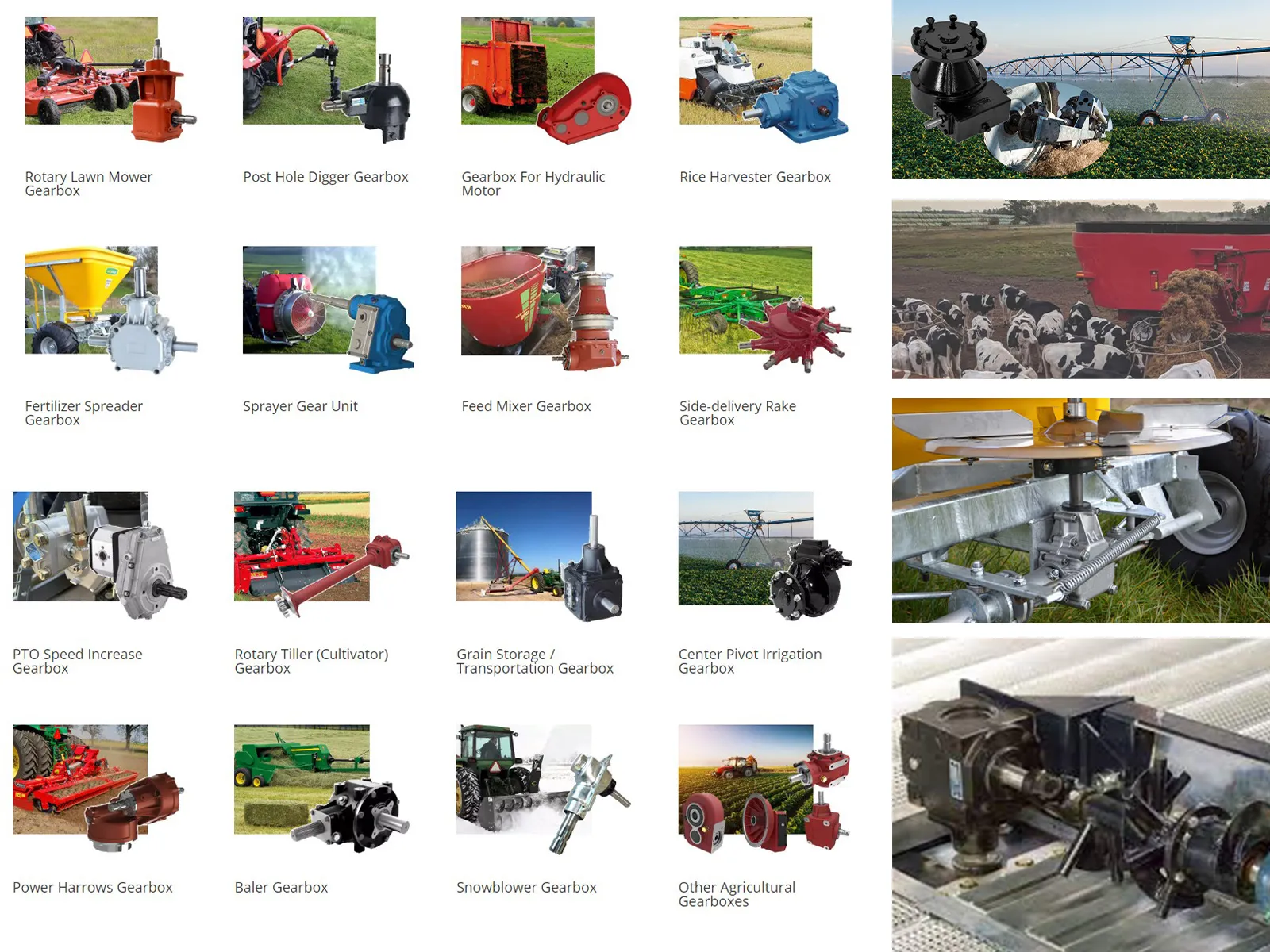
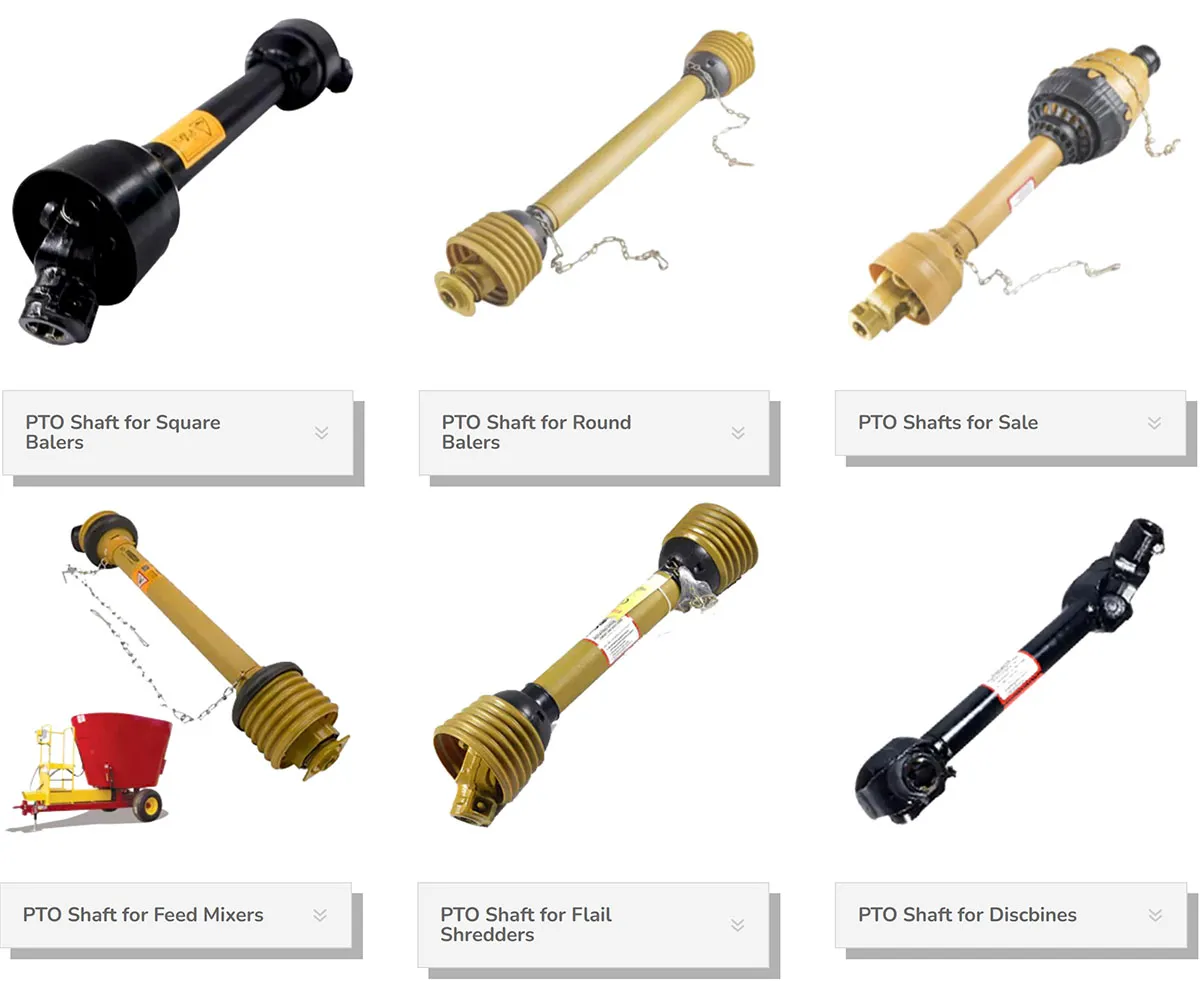
- PTO Shafts: If you use tractor-driven mobile large-scale feeder wagons, we provide safe pto shafts with guards.
- Sprockets & Chains: For conveyor belt feeding systems, available in stainless steel or nickel-plated rust-proof versions.
Choosing us means choosing system compatibility and the convenience of one-stop procurement, reducing supply chain complexity.
Why Partner with EVER-POWER?
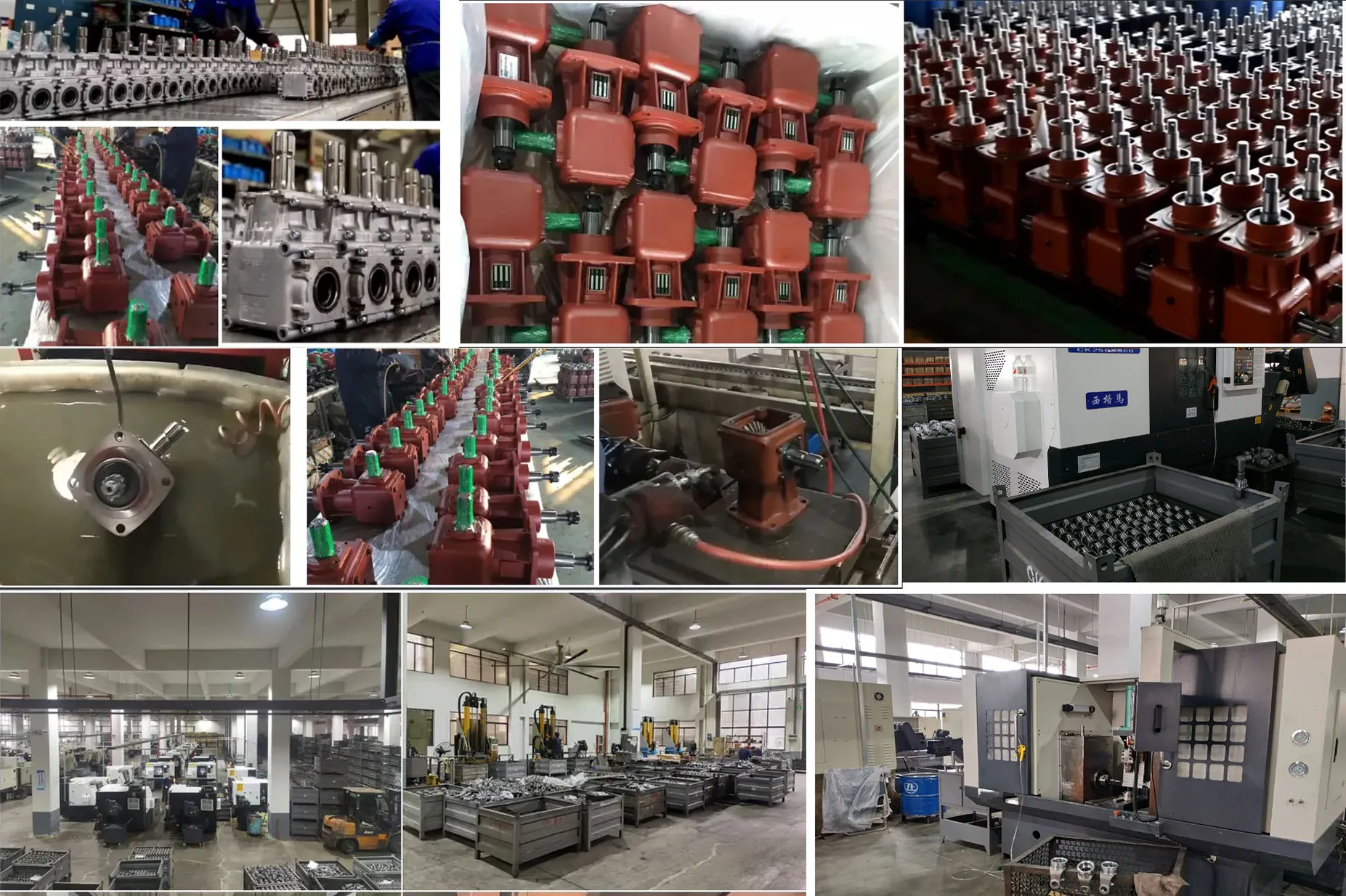
In the fiercely competitive global agricultural machinery parts market, EVER-POWER is not just a manufacturer but your trusted technical advisor. With over 15 years of R&D and manufacturing experience in agricultural gearboxes, we focus on solving transmission challenges in extreme conditions. Unlike simple assembly shops, we possess full industrial chain production capabilities—from precision gear hobbing and heat treatment to die-casting and CNC machining, every step is completed within our ISO9001 certified factory.
For the Korean market, we understand the demand for impeccable quality and environmental dedication. Therefore, we established a specialized “Marine Environment Simulation Lab” to subject every product exported to Korea to 500 hours of salt spray testing and high-intensity rain testing. Our engineering team is familiar with various agricultural machinery safety regulations and can provide comprehensive support from design selection to compliance certification. Furthermore, our massive inventory ensures that whether it’s an agricultural pto gearbox or a micro feeder motor, we can rapidly respond to your order needs. Choosing EVER-POWER means choosing a “Zero-Anxiety” procurement experience and rock-solid product quality.
Ready to Upgrade Your Feeding Equipment?
Contact our engineers today for customized transmission solutions and sample testing for the Korean market.
Editor: Cxm