Heavy-Duty Helical Drives for Chain Feeding Systems
Overcoming Friction and Torque: Engineered Transmission Solutions for High-Capacity Poultry Nutrition
The Battle Against Friction: Engineering for High-Resistance Transmission
In the high-density environment of breeder and layer poultry farming, the chain feeding system (exemplified by the Big Dutchman Champion Chain concept) is the industry standard for rapid, uniform feed distribution. However, mechanically, it presents a unique challenge compared to auger systems. A flat chain system drags a heavy metal chain directly along the bottom of a metal trough. This creates a massive tribological load: metal-on-metal sliding friction combined with the weight of up to 1.5 tons of feed per hour. This resistance is exponentially magnified at the 90-degree corners of the feed line. Consequently, the gearbox driving this system must overcome immense static friction (stiction) to start the line and maintain high torque to keep it moving.
Standard worm gearboxes are ill-suited for this task due to their low efficiency and tendency to overheat under continuous high-friction loads. Instead, we employ heavy-duty helical bevel or parallel shaft helical gear units. These designs offer transmission efficiencies above 95%, ensuring that the motor’s electrical energy is converted directly into chain-pulling torque rather than waste heat. This robustness mirrors the engineering found in a high-performance agricultural gearbox used for heavy soil tillage, where torque density and shock resistance are paramount.
Furthermore, the system requires speed. A chain speed of 36 meters per minute is necessary to “rush” feed to the end of the line, preventing dominant birds from consuming all the rations. This high-speed operation demands precision-ground gearing (DIN Class 6) to ensure smooth power delivery without the vibration or “cogging” that can stress the chain links and frighten the livestock.
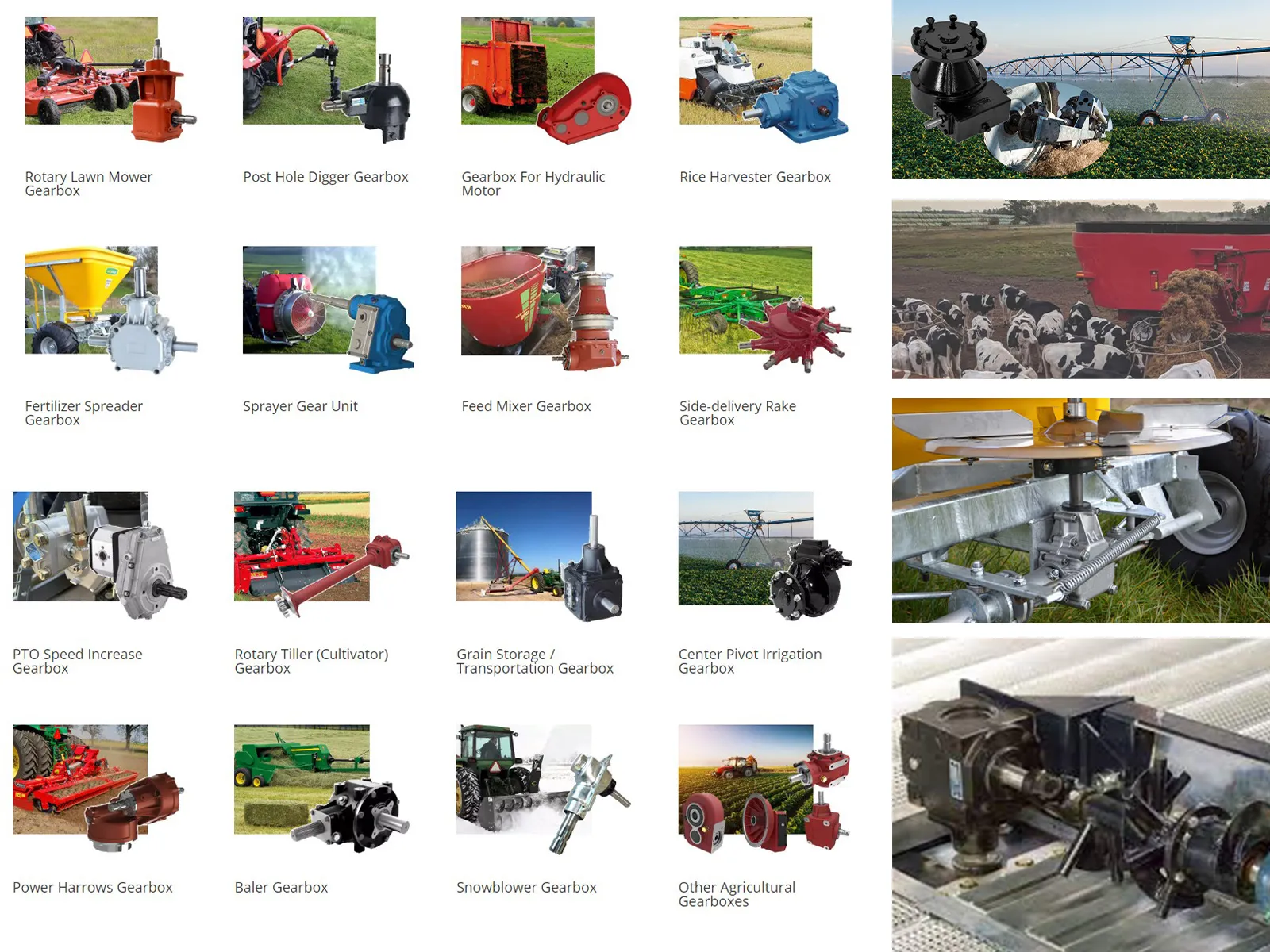
Figure 1: Independent Drive Unit powering a high-speed chain circuit.
The “Independent Drive Unit” Design Philosophy
To maximize longevity, we adhere to the “Independent Drive Unit” architecture. In older or cheaper designs, the gearbox is sometimes integrated directly into the feed hopper. This subjects the gearbox seals to the crushing vertical weight of the feed stack, leading to inevitable seal failure and oil contamination. Our approach separates the agricultural gear reducer from the hopper entirely. The gearbox is mounted on a dedicated frame, connected to the chain sprocket via a robust output shaft.
This isolation protects the transmission from the radial loads of the feed and allows for better thermal management. Chain feeding cycles in breeder houses can be frequent, generating significant heat. Our separated design allows for optimized airflow around the gearbox cooling fins. Additionally, this modularity simplifies maintenance—a gearbox can be serviced or replaced without needing to empty the feed hopper, a critical operational advantage for large-scale Korean farms where downtime must be minimized.
Variable Frequency Drives (VFD): Solving the 10Hz Lubrication Crisis
Modern animal welfare standards dictate variable feeding speeds. Young chicks require a slow “creep” speed (e.g., 12m/min) to avoid panic and injury, while adult birds require rapid delivery (36m/min) to ensure equal access to feed. To achieve this, Variable Frequency Drives (VFDs) are essential. However, running a standard gearbox at low frequencies (e.g., 10Hz) creates a severe lubrication problem. Traditional splash lubrication relies on high-speed gear rotation to fling oil onto the upper bearings. At low speeds, this “splash” disappears, starving the upper components.
Our specialized agricultural gearbox units address this with internal oil guides and reservoirs (“oil dams”) that capture lubricant and direct it to critical bearings even at slow rotation speeds. Furthermore, we utilize premium synthetic oils with high film strength. This ensures that even when the chain is moving slowly for day-old chicks, the metal surfaces are protected by a robust hydrodynamic wedge. This attention to low-speed lubrication distinguishes a purpose-built agricultural drive from a generic industrial reducer that would fail prematurely under such conditions.
Need a custom drive solution for a specific chain pitch? Visit our Product Category Page to view our complete range of transmission options.
Technical Specifications and Performance Data
The following table outlines our heavy-duty helical gearboxes designed specifically for chain feeding applications. These units are dimensionally compatible with major systems like Big Dutchman and Chore-Time.
| Parameter / Series | CF-Drive 1500 (Standard) | CF-Drive 2200 (Heavy Duty) | CF-Drive 3000 (Ultra High) |
|---|---|---|---|
| Motor Power (kW) | 1.1 kW / 1.5 kW | 2.2 kW | 3.0 kW |
| Line Speed (60Hz) | 12 / 18 m/min | 24 / 36 m/min | 36 / 40 m/min |
| Output Torque | 450 Nm | 880 Nm | 1250 Nm |
| Gear Type | Helical Inline | Helical Bevel (90°) | Parallel Shaft Helical |
| Service Factor | 1.8 | 2.2 | 2.5 |
| Max Chain Length | Up to 150m | Up to 280m | Up to 400m |
| Lubrication | Synthetic VG220 | Synthetic VG220 | Synthetic VG320 |
Global Operational Success: Real-World Applications
1. South Korea: High-Rise Layer Farm in Gyeonggi-do
A modern 8-tier aviary system in Gyeonggi province faced frequent gearbox failures due to the heavy load of a 300-meter chain circuit. The existing worm gears were overheating during the “rapid fill” cycles. We replaced the drives with our CF-Drive 2200 Helical Bevel units. These units were coupled with IE3 motors (meeting Korean energy efficiency standards) and VFDs. The result was a 40% reduction in energy consumption and a complete elimination of thermal shutdowns, ensuring the 150,000 birds received timely nutrition.
2. USA: Broiler Breeder Farm in North Carolina
Breeder hens require precise feed rationing. A facility in NC utilized our Independent Drive Units with dual-speed functionality. The challenge was the high-torque start-up required when the chain was fully loaded with feed after a blackout. Our agricultural pto gearbox technology, adapted for this stationary application, provided the necessary “break-away” torque (250% of nominal) to start the chain without snapping it, thanks to the robust oversized bearings and case-hardened gears.
3. South Korea: Breeder Facility in Chungcheongnam-do
For a “Smart Farm” breeder facility, the client required drive units that could integrate with their central IoT control system. We supplied gearboxes equipped with thermal sensors and high-efficiency IE3 motors, compliant with the Ministry of Agriculture, Food and Rural Affairs (MAFRA) standards for subsidized agricultural equipment. The independent drive units were configured for 380V 60Hz operation, providing seamless integration into the Korean power grid.
Regulatory Compliance and Safety Standards
Our drive systems are designed to meet the rigorous standards of the global livestock industry, with a specific focus on the Korean market.
- Korea – Energy Efficiency (IE3): According to the regulations by the Korea Energy Agency (KEA), three-phase induction motors used in agricultural machinery must meet IE3 (Premium Efficiency) standards. Our geared motors for the Korean market are fully IE3 compliant, ensuring legal importation and operation.
- Safety Certification (KC Mark): Electrical components used in our drive units comply with the Electrical Appliances and Consumer Products Safety Control Act in Korea, ensuring compatibility with the standard 220V/380V 60Hz grid.
- Animal Welfare & Noise: Our helical gear technology operates significantly quieter than straight-cut gears. This helps farms comply with animal welfare guidelines regarding noise pollution, reducing stress on the birds.
Why Partner with Ever-Power?
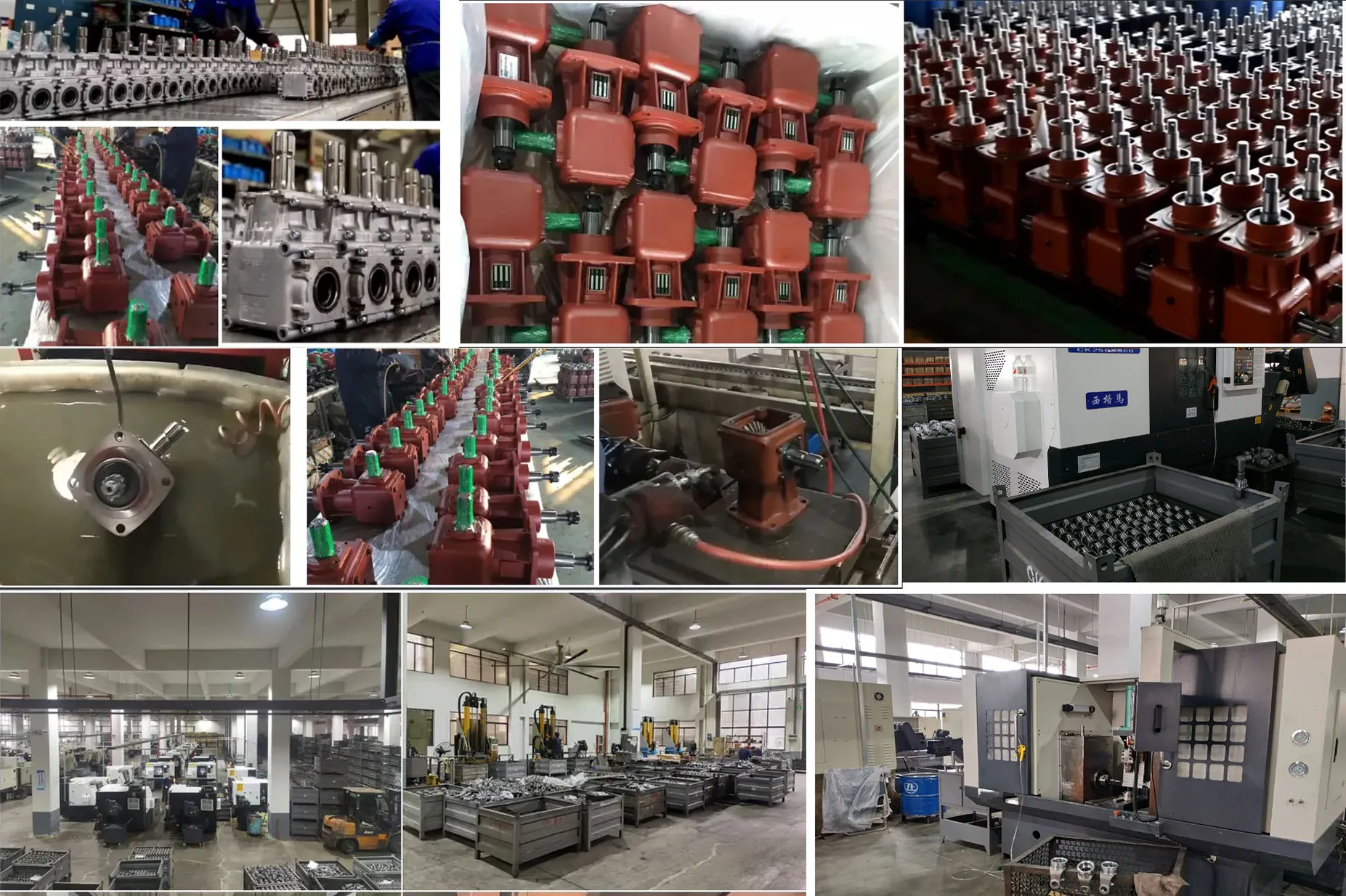
Ever-Power is not merely a supplier; we are a specialized manufacturer of transmission solutions for the agricultural sector. With a manufacturing footprint exceeding 100,000 square meters, we have the capacity and the technology to produce gearboxes that define industry standards. Our history in producing heavy-duty agricultural pto gearbox units has given us a deep understanding of torque, shock loads, and environmental resilience. We apply this “heavy-duty DNA” to our poultry feeding drives, ensuring they are not just modified industrial units, but purpose-built agricultural machines.
For our Korean clients, we offer a seamless partnership experience. We understand the nuances of the local market, including the specific requirements for 60Hz motors and metric shaft standards. We provide fully interchangeable replacements for major European feeding system brands, offering a cost-effective alternative without compromising on quality. Our gearboxes undergo rigorous testing, including loaded run tests and oil leak checks, ensuring that when they arrive in Incheon or Busan, they are ready for immediate installation. We also provide comprehensive technical documentation in English and can support local integrators with 3D CAD models for system layout planning. By choosing Ever-Power, you are selecting a partner committed to operational excellence and long-term reliability.
Frequently Asked Questions (FAQ)
Upgrade Your Feeding System Reliability
Whether you are manufacturing new chain feeders or upgrading existing poultry houses in Korea, Ever-Power delivers the heavy-duty transmission solutions you can trust.
Editor: Cxm