Dynamics of Ventilation Winch Systems: Controlling the Lifeline
In modern closed-environment livestock housing, the ventilation system is not merely an air exchange channel; it is the core life-support system maintaining the microclimate (temperature, humidity, ammonia levels). The Winch System acts as the direct actuator for air inlets and sidewall curtains. While the action seems simple—spooling and unspooling steel cables—the engineering logic behind it is critical for farm safety. If an agricultural gearbox fails, causing an inlet to close unexpectedly, the barn can become hypoxic within minutes or suffer structural damage due to excessive negative pressure. Conversely, if a curtain fails to close during winter, cold stress can compromise the entire herd’s health.
Unlike a tractor pto gearbox that prioritizes high-speed power transmission, the core requirement of a ventilation winch gearbox is “Precise Position Control” and “Absolute Static Holding Power.” This necessitates an agricultural gear reducer with a high reduction ratio (typically between 30:1 and 60:1). This ratio converts high-speed, low-torque motor output into the low-speed, massive-torque traction required to overcome tons of negative pressure suction. Crucially, this transmission must be irreversible: the motor drives the gearbox, but the external load must never reverse-drive the gears.
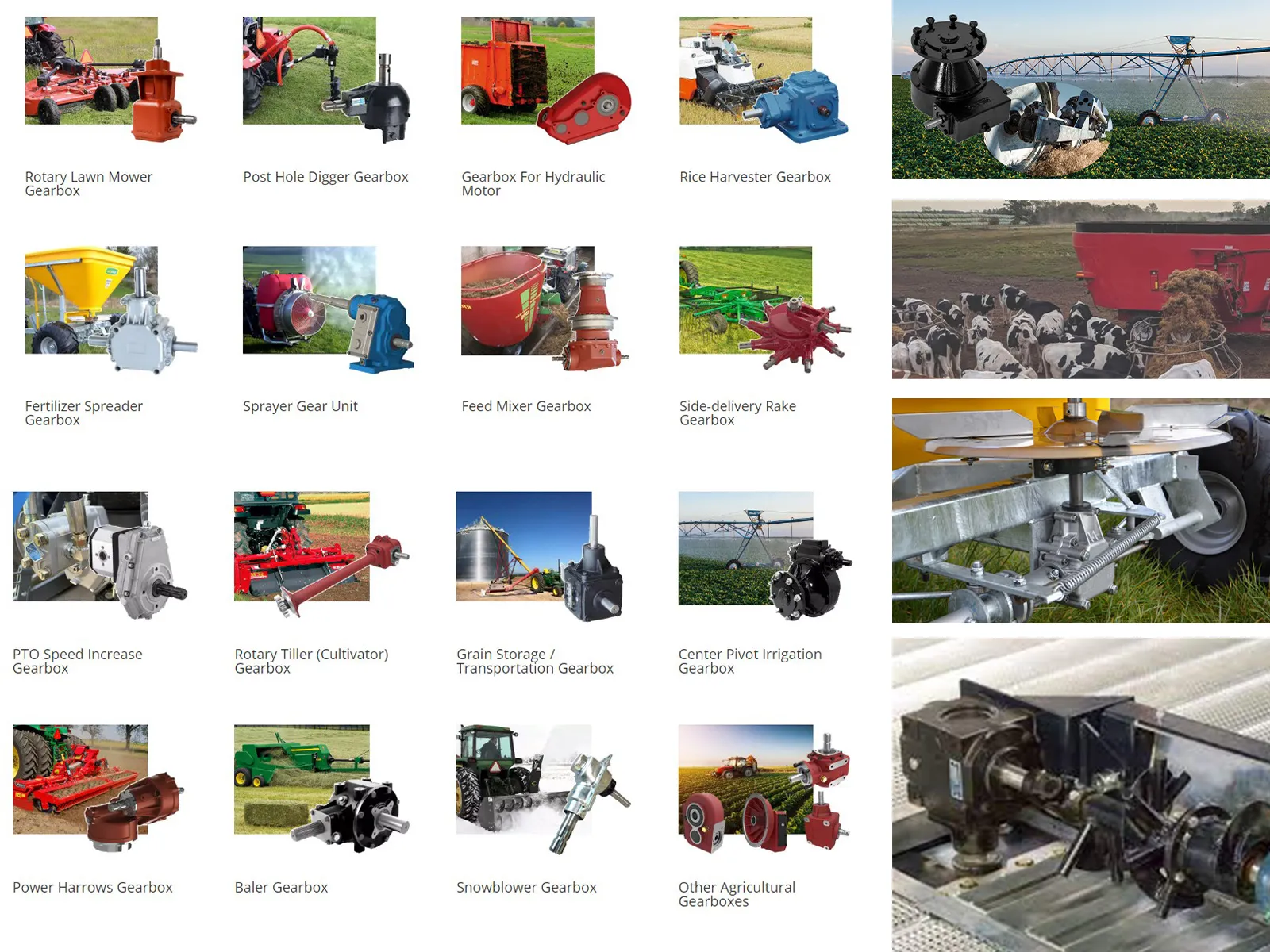
Figure 1: High-precision ventilation winch gearbox installed on a sidewall curtain system.
Self-Locking: The Absolute Safety Red Line & Physics
In ventilation winch design standards, “Self-Locking” is not an optional feature; it is a mandatory safety threshold. When the control system cuts power, or in the event of an accidental outage, the gearbox must hold the load against gravity (curtain weight) and aerodynamics (negative pressure from exhaust fans) at the exact current position. Any “Creeping” or slippage can disrupt the preset ventilation mode, leading to thermal stress.
The physical basis for this capability lies in the geometry of the Worm Gear structure. Our agricultural gearbox designs utilize a specific Lead Angle calculation. According to tribology principles, when the worm’s lead angle is smaller than the equivalent friction angle between materials (typically 3° to 5°), the mechanism achieves theoretical static self-locking. To achieve this, our winches typically feature a 40:1 or higher reduction ratio. This high ratio not only provides immense torque multiplication to pull 100-meter-long curtains but, more importantly, reduces the helix angle to establish the primary physical defense.
However, as experienced transmission engineers, we know that theoretical self-locking is unreliable under vibration. When typhoons buffet the curtains, the alternating loads can convert static friction into dynamic friction, causing the friction coefficient to drop and leading to “creep” failure. Therefore, Ever-Power’s premium winch series introduces the “Double Braking” concept. In addition to the worm gear’s inherent locking, we integrate a one-way damper or electromagnetic brake on the input shaft. This redundant design ensures millimeter-level stability of inlet openings even during the severe vibrations of Korea’s typhoon season.
Split Drum Design: Engineering Challenges of Radial Loads
To improve ventilation uniformity, modern large-scale poultry houses often employ bi-directional pull or multi-tier curtain designs. This has driven the demand for Split Drum gearboxes. This design allows the gearbox output shaft to drive two independent cable spools simultaneously, or control different zones via clutch mechanisms on an extended shaft. While this appears to be a simple shaft extension, it imposes severe structural challenges on the gearbox support.
In single-cable systems, the load is primarily torque. However, in split-drum dual-cable systems, the output shaft endures massive Bending Moments. If standard industrial ball bearings are used, the shaft extension is prone to fatigue fracture or causing seal misalignment and leakage. Addressing this, our engineering team has reinforced the output assembly. We replace standard deep groove ball bearings with heavy-duty needle roller bearings or extra-wide Tin Bronze Bushings (CuSn12Ni). This material offers excellent wear resistance and anti-galling properties, capable of withstanding radial loads up to 2000 lbs under boundary lubrication conditions without deformation, ensuring concentricity during bi-directional operation.
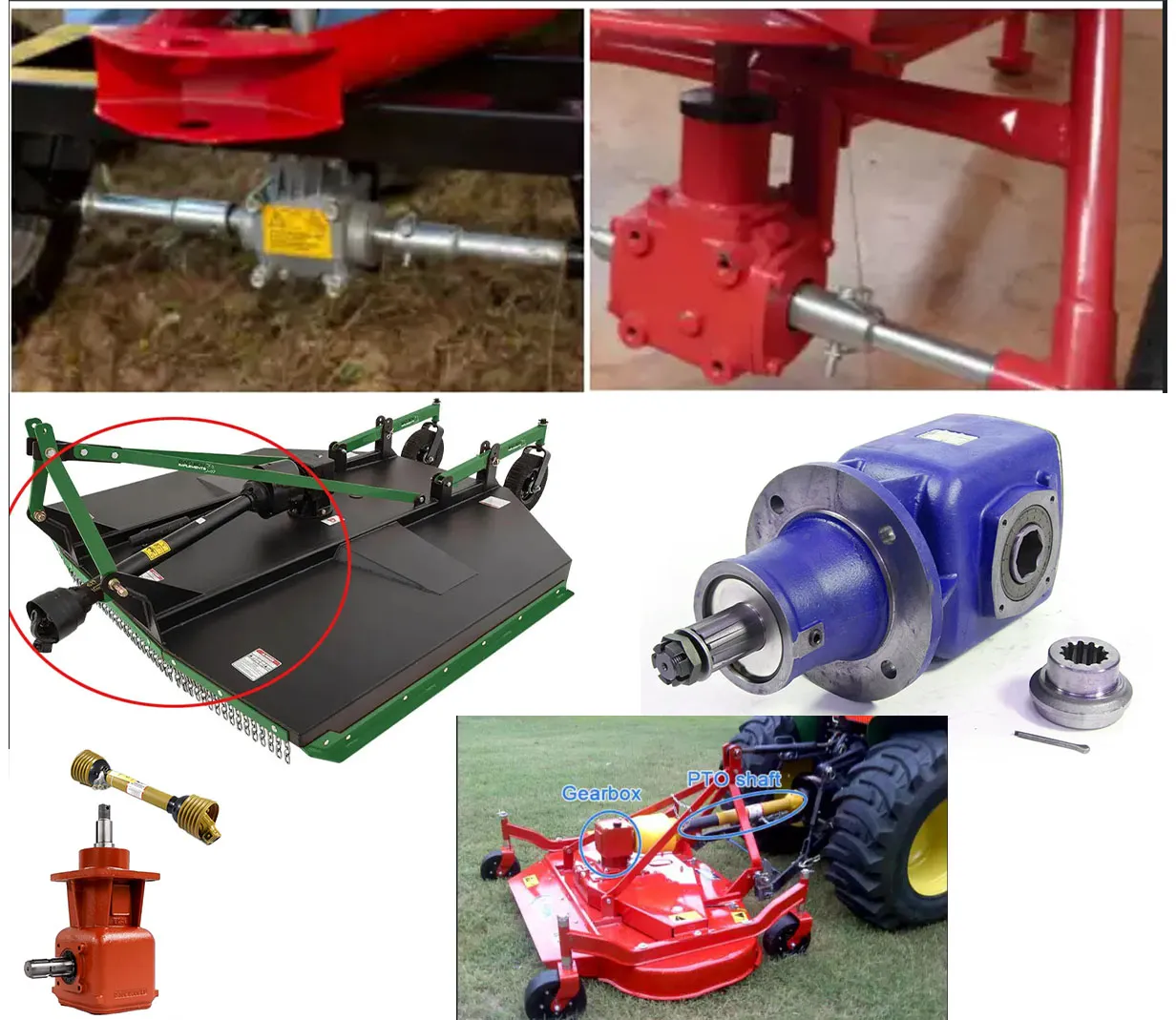
Figure 2: Reinforced Bronze Worm Wheel Structure
Figure 3: Fully Sealed Die-Cast Aluminum Housing
Technical Specifications: Ventilation Winch Gearbox
| Parameter | Specification | Notes |
|---|---|---|
| Rated Capacity | 1500 lbs – 4000 lbs | Select based on curtain length & negative pressure |
| Reduction Ratio | 30:1 / 40:1 / 60:1 | Critical for self-locking performance |
| Self-Locking | Double Lock (Worm + Brake) | Static anti-reverse safety factor > 2.5 |
| Input Speed | 1450 RPM / 1750 RPM | Compatible with 4-Pole Motors (50Hz/60Hz) |
| Lubrication | Full Synthetic Long-Life Grease | Maintenance-free, -30℃ to +60℃ range |
| Housing Material | ADC12 Aluminum / QT450 Iron | Powder-coated for ammonia resistance |
| Protection Class | IP55 / IP65 (Optional) | Wash-down resistant |
Regional Adaptation & Compliance: Focus on Korea
The geographic and climatic conditions of South Korea impose a dual test on ventilation equipment. In winter, heavy snow in Gangwon-do creates massive ice buildup on exterior curtains, significantly increasing the startup load for winches. In summer, frequent typhoons (like Hinnamnor) hitting southern coastal regions like Busan and Jeju Island create violent suction effects on sidewall curtains.
To address these specifics, Ever-Power winch gearboxes exported to Korea undergo specialized localization. We fully match the Korean standard 220V/380V 60Hz power grid at the motor interface and have reinforced housing seals to withstand the high humidity of the *Jangma* (rainy season). Most importantly, our product design fully complies with Korea Occupational Safety and Health Agency (KOSHA) regulations regarding moving part protection. All rotating shaft extensions are equipped with safety-colored guards, and the Limit Switch system employs a dual-redundancy design to prevent stroke control failure caused by icing, eliminating the risk of mechanical jamming and fire hazards.
Why Choose Ever-Power Agricultural Gearboxes?
In the competitive power transmission market, Ever-Power is not just a gearbox manufacturer; we are a core partner in agricultural environmental control systems. Our advantage lies in our deep understanding of “Special Agricultural Conditions.” Unlike industrial reducers operating in constant environments, an agricultural gearbox must withstand high ammonia corrosion, extreme diurnal temperature shifts, and unstable grid voltages.
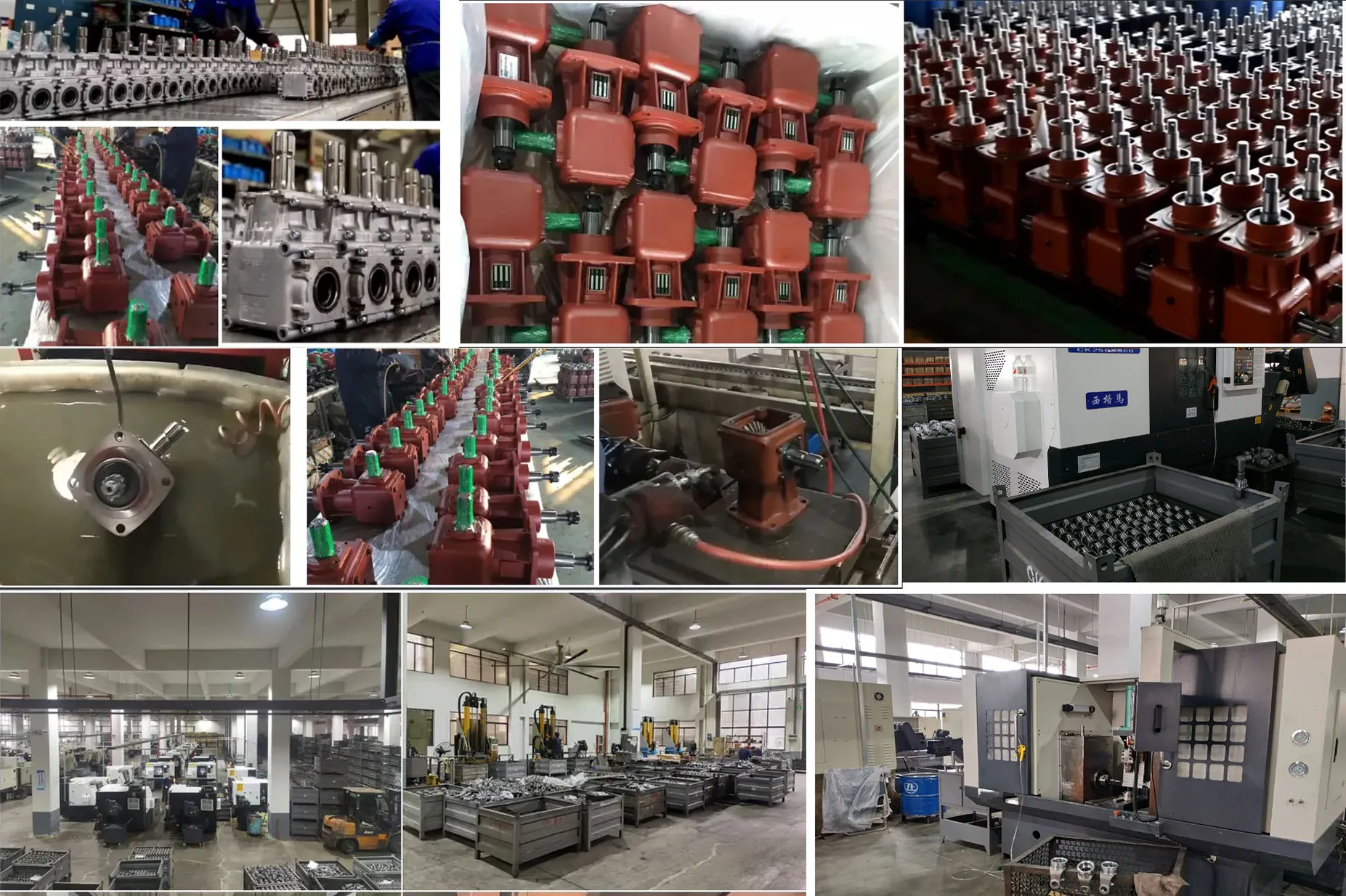
Our factory maintains a comprehensive quality control system. For the core worm gear components, we insist on using centrifugally cast Tin Bronze, rather than low-cost aluminum bronze or cast iron. This ensures that the worm wheel does not suffer excessive wear even after tens of thousands of high-load start-stop cycles. Our testing lab is equipped with Coordinate Measuring Machines (CMM) and full-load simulation benches; every winch gearbox leaving our factory undergoes a static tension test at 1.5 times the rated load. Furthermore, we provide a one-stop transmission solution. Beyond winch gearboxes, we are a premium supplier of agricultural pto gearboxes, catering to your needs from tractor implements to in-house facilities. Choosing Ever-Power means choosing reliability verified by farms in over 30 countries.
Global Applications: Field-Proven Performance
Case 1: Modern Broiler Farm in Chungcheongnam-do, Korea
Challenge: Located in a wind tunnel zone, the farm experienced frequent summer gusts. The original winch system suffered from “slippage” under wind load, causing erratic inlet openings and respiratory issues in the flock.
Solution: They upgraded to the Ever-Power Double-Braking Winch Gearbox (Model EP-W2000). The internal mechanical brake successfully resisted wind-induced vibrations. Even during typhoon passages, the inlet opening remained stable. The client reported a 1.5% drop in flock mortality.
Case 2: Glass Greenhouse Automation in the Netherlands
Challenge: The client required extremely fine control (0.1% opening adjustment) for roof vents. Standard gearboxes had excessive backlash, failing to meet precision agriculture needs.
Solution: We provided a customized Low-Backlash Worm Reducer coupled with a servo motor interface. By optimizing gear mesh precision, we controlled backlash to within 10 arc-minutes, achieving precise climate regulation.
Case 3: Cold Resistance Test in Alberta, Canada
Challenge: Extreme cold (-30℃) caused conventional lubricants to solidify, leading to motor overload and burnout.
Solution: We filled this batch with aviation-grade low-temperature synthetic grease and replaced the seals with cold-resistant Fluro-Silicone. The equipment operated smoothly throughout the winter, proving our adaptability to extreme environments.
Frequently Asked Questions (FAQ)
Q: Can this winch gearbox be used for lifting heavy objects vertically?
A: While our gearboxes possess high torque, they are specifically designed for horizontal or inclined pulling of ventilation curtains. Using them for human elevators or vertical heavy lifting is strictly prohibited as it does not comply with relevant hoisting safety codes.
Q: How do I adjust the limit switch position?
A: Our gearboxes typically integrate or pair with a rotary limit switch. You need to open the limit switch cover and adjust the internal cam nuts so that they trigger the microswitches at the fully open and fully closed curtain positions. Please refer to the included “Installation Manual” for detailed steps.
Q: What causes increased noise from the gearbox?
A: Noise typically stems from insufficient lubrication, worm gear wear, or loose mounting bases. First, check if the lubricant level is normal and tighten all mounting bolts. If the sound is a sharp metallic grinding, it may indicate internal bearing damage, and we suggest stopping the machine immediately for inspection.
Q: Do you offer adapters for different motor flanges?
A: Yes, we provide standard NEMA and IEC motor interface flanges. Whether you use domestic Korean motors or international brands, we can supply matching input shaft sleeves and flange plates.
Q: Can we purchase PTO shafts and other agricultural parts together?
A: Absolutely. Ever-Power is dedicated to providing complete transmission solutions. You can one-stop purchase pto gearboxes, drive shafts, sprockets, and more, significantly reducing your supply chain management costs.