
EP01-672 Gearbox Peningkat Kecepatan Baler – 50HP, Rasio Ganda 1,92:1 dan 1,47:1
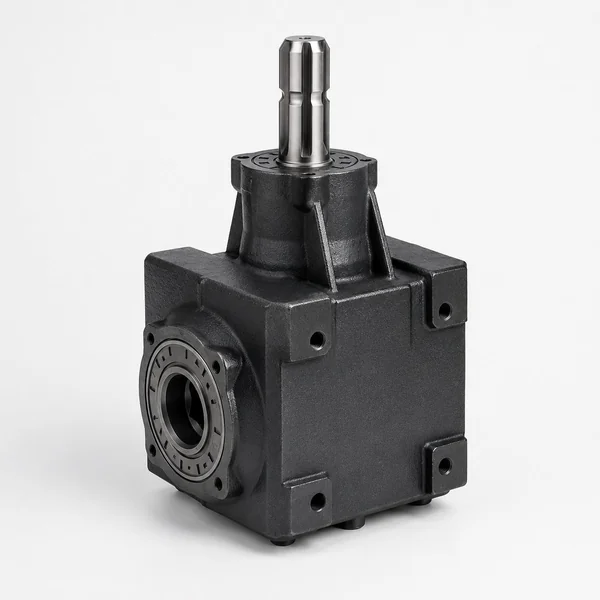
★ Percepat, Bukan Perlambat — EP01-672 Menghasilkan Output 794–1.037 RPM dari Input PTO 540 RPM, untuk Penggerak Baler yang Membutuhkan Kecepatan Lebih dari PTO
Setiap gearbox baler lainnya dalam seri EP — EP-40002 dan EP-BGB8 — memperlambat input PTO atau meneruskannya tanpa perubahan. EP01-672 Justru sebaliknya: ia mempercepat. Pada Rasio 1,92:1 (M6.5, 23/12 gigi) ini mengalikan input 540 RPM menjadi output sekitar 1.037 RPM. Pada Rasio 1,47:1 (M5.65, 22/15 gigi) menghasilkan sekitar 794 RPM — 47% di atas kecepatan PTO. Peningkatan kecepatan ini merupakan fungsi yang dibutuhkan dalam sistem penggerak baler di mana rotor ruang baler, mekanisme pembungkus jaring, atau poros penggerak penegang sabuk dirancang untuk beroperasi di atas kecepatan PTO. Kapasitas 50 HP, Input Z6 1 3/8″, keluaran sumbu optik, Rumah persegi kompak 101×101mm, 18,5 kg. Korea Ever-Power memasok EP01-672 ke produsen OEM mesin pengepak jerami dan spesialis perbaikan mesin pertanian di seluruh Korea Selatan, Jepang, dan Asia Tenggara.
Mengapa Mesin Pengepak Jerami Membutuhkan Peningkat Kecepatan — Peran EP01-672 dalam Rantai Penggerak
EP01-672 · 50HP · 1.92:1 & 1.47:1 · 18.5kg · 101×101mm
Sebagian besar alat pertanian menggunakan kecepatan-mengurangi Gearbox ini dirancang untuk menurunkan kecepatan PTO ke output torsi yang lebih rendah dan lebih tinggi — mesin pengolah tanah putar membutuhkan 180 RPM dari input 540 RPM, sedangkan ruang baler bundar membutuhkan 130–170 RPM dari 540 RPM. Inilah aplikasi yang dilayani oleh gearbox mesin pengolah tanah seri EP EP-40002.
Namun, mekanisme tertentu dalam desain mesin pengepak jerami beroperasi pada kecepatan putaran yang lebih tinggi daripada yang disediakan oleh PTO traktor. Tiga subsistem mesin pengepak jerami umumnya membutuhkan input kecepatan di atas PTO:
- Penggerak penegang sabuk: Pada mesin pengepres bal bundar dengan ruang variabel dan beberapa desain ruang tetap, tegangan sabuk dipertahankan oleh rol penggerak yang kecepatan putaran optimalnya di atas 540 RPM untuk kecepatan dan diameter sabuk yang digunakan. EP01-672 terletak di antara input PTO utama dan rol penggerak ini, meningkatkan kecepatan hingga sesuai dengan persyaratan desain.
- Mekanisme pembungkus jaring atau tali: Sistem pembungkus jaring dan tali pada mesin pengepak bal bundar ukuran sedang menggunakan rol pengumpan dan pemotong yang beroperasi paling andal pada kecepatan 700–1.100 RPM — kisaran kecepatan yang tidak dapat dicapai oleh penggerak kecepatan PTO tanpa gearbox penambah kecepatan. Konfigurasi EP01-672 dengan rasio 1,47:1 (794 RPM) dan 1,92:1 (1.037 RPM) mencakup persyaratan kecepatan mekanisme pembungkus yang paling umum.
- Penggerak sekunder poros silang: Pada mesin pengepak jerami di mana ruang pengepak utama beroperasi dengan kecepatan rendah dari satu gearbox, penggerak poros silang sekunder untuk sistem bantu (gulungan pengumpul, garpu pengisi, sekrup konveyor) mungkin perlu beroperasi lebih cepat. Peningkat kecepatan pada jalur penggerak sekunder ini membawa sistem bantu ke kecepatan operasi yang tepat dari input PTO yang sama yang menggerakkan ruang utama.
EP01-672 adalah gearbox yang tepat untuk situasi ini. Penampang melintangnya yang ringkas berukuran 101×101mm persegi dan beratnya 18,5kg memungkinkan pemasangannya di dalam ruang terbatas rangka mesin pengepak jerami di mana gearbox yang lebih besar tidak akan muat — berdekatan dengan mekanisme pembungkus, di dalam penutup penggerak sabuk, atau di samping penggerak poros silang sekunder. Output sumbu optik terhubung langsung ke poros mekanisme melalui kopling lubang polos tanpa spline atau hub tirus yang dibutuhkan oleh jenis output lainnya.
Perbedaan penting — penambah kecepatan vs penurun kecepatan: EP01-672 adalah pengukur kecepatan-meningkat Gearbox — poros keluaran berputar lebih cepat daripada poros masukan. Ini bukan peredam kecepatan. EP-40002 dan EP-BGB8 adalah peredam kecepatan. Menentukan penambah kecepatan di mana peredam kecepatan diperlukan — atau sebaliknya — adalah kesalahan desain yang tidak dapat diperbaiki dengan penyesuaian lain. Konfirmasikan kecepatan keluaran yang dibutuhkan mekanisme Anda sebelum memilih EP01-672.
Spesifikasi Teknis — Kedua Konfigurasi Rasio
Kedua konfigurasi menggunakan housing persegi kompak dan output sumbu optik yang sama. Modul 6.5 digunakan untuk rasio peningkatan kecepatan yang lebih tinggi (1,92:1) di mana roda gigi pinion (12 gigi) memiliki frekuensi kontak yang lebih tinggi dan membutuhkan penampang gigi yang lebih besar dari M6.5 untuk mempertahankan kekuatan lentur yang memadai. Rasio yang lebih rendah (1,47:1) menggunakan M5.65 — modul yang lebih kecil yang sesuai untuk frekuensi kontak yang berkurang pada kecepatan output yang lebih rendah dan beban lentur yang lebih rendah pada roda gigi penggerak 15 gigi. Kedua modul tersebut merupakan nilai non-standar, yang dihitung khusus untuk kombinasi rasio dan beban tertentu ini dalam batasan housing 101mm.
| Parameter | Konfigurasi A — Kecepatan Tinggi | Konfigurasi B — Kecepatan Sedang |
|---|---|---|
| Rasio Kecepatan | 1,92 : 1 (peningkatan kecepatan) | 1,47 : 1 (peningkatan kecepatan) |
| Jumlah Gigi | 23 / 12 (mengemudi / digerakkan) | 22 / 15 (mengemudi / digerakkan) |
| Modul Gigi | 6.5 | 5.65 |
| Daya Terukur | 50 HP | 50 HP |
| Kecepatan Input Terukur | 540 RPM — kedua konfigurasi | |
| Kecepatan Poros Keluaran | ≈ 1.037 RPM | ≈ 794 RPM |
| Poros Masukan | Spline Z6 1 3/8″ (standar ISO 500) | |
| Poros Keluaran | Sumbu optik — diameter stub Φ85,75mm | |
| Penampang Lintang Perumahan | Persegi 101 × 101 mm | |
| Tinggi Keseluruhan | 155,5 mm | |
| Bahan Perumahan | Besi cor nodular GGG50 | |
| Berat Bersih | 18,5 kg | |
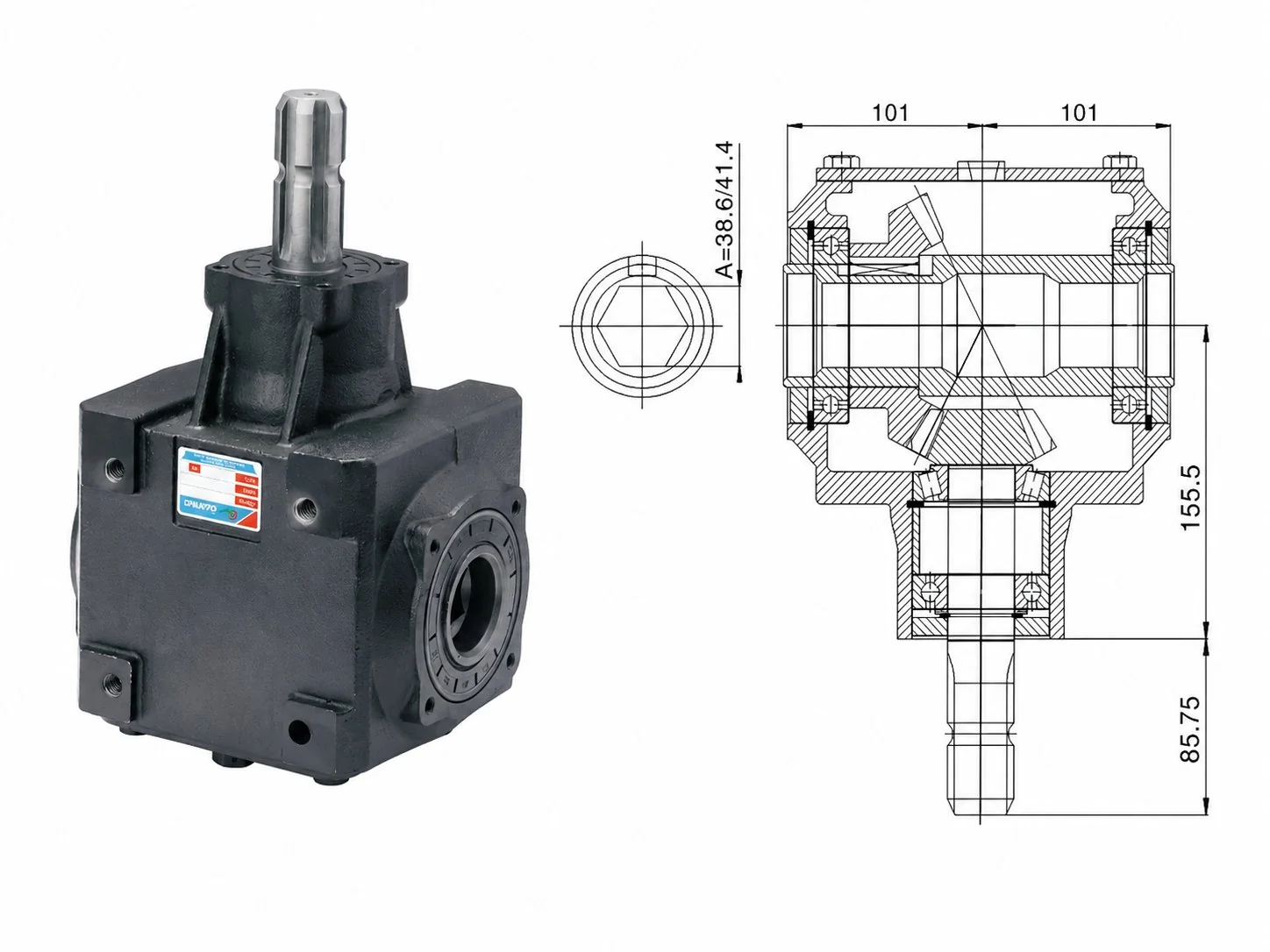
Penampang persegi 101×101mm · Tinggi 155,5mm · Diameter keluaran Φ85,75mm
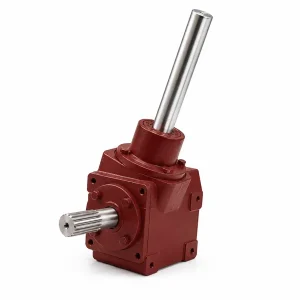
Penampang persegi 101×101mm adalah salah satu geometri rumah yang paling hemat ruang dalam seri EP. Jejak persegi — seperti yang terlihat pada gambar teknik — berarti EP01-672 dapat dipasang pada anggota rangka datar dengan overhang yang sama di kedua sisi garis tengah poros, memberikan permukaan penjepitan dua baut yang stabil yang menahan reaksi torsi dari jala roda gigi bevel peningkatan kecepatan. Poros keluaran Φ85,75mm adalah poros bulat polos yang dirancang untuk dihubungkan ke poros mekanisme melalui kopling lubang dan pasak standar — umum dalam sistem penggerak bantu baler di mana kopling merupakan barang stok dan bukan komponen khusus.
Tinggi 155,5 mm mengakomodasi set roda gigi bevel pada persimpangan 90° poros input Z6 (masuk dari samping) dan poros output sumbu optik (keluar secara vertikal melalui bagian atas rumah). Susunan ini menempatkan poros output tepat di atas mekanisme yang digerakkannya — geometri pemasangan yang paling umum dalam sistem penggerak baler kompak di mana poros mekanisme vertikal dan poros silang PTO tiba secara horizontal. Bobot kompak 18,5 kg memungkinkan susunan ini ditopang oleh rangka baler tanpa dukungan bantalan tambahan di sisi poros output.
1,92:1 vs 1,47:1 — Menyesuaikan Kecepatan Output dengan Persyaratan Mekanisme
Kedua konfigurasi tersebut meningkatkan kecepatan di atas input PTO. Pilihan ditentukan oleh kecepatan desain mekanisme — RPM di mana penggerak sabuk, rol pengumpan lilitan, atau poros bantu bekerja dengan benar:
Mengukur kecepatan yang dibutuhkan mekanisme Anda: Dengan mesin pengepak jerami dalam keadaan diam dan poros input mekanisme dapat diakses, pasang penanda tachometer reflektif dan ukur RPM selama pengoperasian pada kecepatan PTO nominal. Ini adalah kecepatan output yang harus dihasilkan oleh gearbox pengganti Anda. Jika kecepatan yang diukur adalah 950–1.100 RPM, pesan Konfigurasi A. Jika 720–870 RPM, pesan Konfigurasi B. Jika jauh di luar kedua rentang tersebut, hubungi Korea Ever-Power — kami dapat memberi tahu apakah EP01-672 memenuhi kebutuhan Anda atau apakah rasio yang berbeda harus ditentukan.
Tiga Gearbox Baler EP — Memilih yang Tepat
Korea Ever-Power kini memasok tiga jenis gearbox baler yang mencakup fungsi penggerak baler yang berbeda. Memahami fungsi masing-masing gearbox dapat mencegah kesalahan spesifikasi yang paling umum dalam desain dan perbaikan sistem penggerak baler:
| Faktor | EP-BGB8 | EP01-672 ← produk ini | EP-40002 |
|---|---|---|---|
| Fungsi Kecepatan | Sama / Meningkat | Hanya peningkatan | Kurangi saja |
| Rasio | 1:1 / 1:1.67 | 1.92:1 / 1.47:1 | 3.2:1 / 3.77:1 / 4.17:1 |
| Kecepatan Keluaran (pada 540 RPM) | 540 / 902 RPM | 794 / 1.037 RPM | 129–169 RPM |
| Daya Terukur | 30 HP | 50 HP | 85 HP |
| Antarmuka Keluaran | Spline Z6 | Sumbu optik (Φ85,75mm) | Flensa melingkar |
| Berat | 18 kg | 18,5 kg | 111 kg |
| Peran Penggerak Utama | Penggerak PTO utama mesin pengepak jerami kecil | Penggerak subsistem bantu mesin pengepak bal (pembungkus, sabuk, poros sekunder) | Penggerak ruang utama mesin pengepak bal komersial besar |
EP01-672 menempati posisi unik dalam jajaran ini — ini adalah satu-satunya gearbox baler EP yang terutama melayani penggerak subsistem daripada ruang bal utama. Satu baler dapat menggunakan EP01-672 (untuk subsistem pembungkus atau sabuk) dan EP-BGB8 atau EP-40002 (untuk ruang utama) secara bersamaan.
Rekayasa Peningkat Kecepatan — Torsi, Daya, dan Mengapa M6.5 pada Rasio yang Lebih Tinggi
Peningkat kecepatan lebih jarang ditentukan dibandingkan penurun kecepatan, dan hubungan mekanis dalam peningkat kecepatan memerlukan penjelasan eksplisit untuk mendukung spesifikasi dan pemasangan yang benar:
Torsi Keluaran Lebih Rendah Daripada Torsi Masukan
Pada penambah kecepatan, torsi keluaran = torsi masukan ÷ rasio. Pada rasio 1,92:1, torsi keluaran kira-kira 52% dari torsi masukan. Pada rasio 1,47:1, kira-kira 68%. Inilah mengapa penambah kecepatan cocok untuk mekanisme dengan kebutuhan torsi rendah (rol pembungkus, penggerak sabuk, konveyor sekunder) — bukan untuk penggerak ruang bal utama di mana torsi tinggi pada kecepatan rendah dibutuhkan. Menentukan EP01-672 untuk ruang bal utama yang membutuhkan torsi keluaran tinggi akan mengakibatkan mekanisme macet di bawah beban karena torsi yang tersedia pada keluaran tidak mencukupi.
Daya Tetap 50 HP
Daya (kW) = torsi × kecepatan sudut. Pada penambah kecepatan, torsi keluaran yang lebih rendah dan kecepatan keluaran yang lebih tinggi berarti kapasitas daya tetap konstan melalui gearbox (dikurangi sedikit kehilangan efisiensi). Peringkat 50HP EP01-672 berlaku pada poros keluaran pada kedua konfigurasi rasio — daya yang tersedia pada mekanisme adalah 50HP terlepas dari rasio mana yang dipilih. Komprominya adalah torsi-untuk-kecepatan: kecepatan lebih tinggi berarti torsi lebih rendah pada tingkat daya yang sama.
Mengapa M6.5 pada Rasio yang Lebih Tinggi?
Pada rasio 1,92:1, roda gigi penggerak (12 gigi) berputar pada 1.037 RPM — setiap kontak antar gigi terjadi pada 1.037 × 12 = 12.444 kontak gigi per menit pada roda gigi penggerak. Frekuensi kontak yang tinggi dikombinasikan dengan beban input 50 HP (yang menghasilkan tegangan lentur gigi sisi input) membutuhkan modulus elastisitas M6,5 untuk menjaga penampang akar gigi dan kekerasan permukaan dalam batas keamanan kelelahan. Roda gigi penggerak pada konfigurasi 1,47:1 (15 gigi pada 794 RPM) memiliki frekuensi kontak yang lebih rendah (794 × 15 = 11.910 per menit) dan mendapat manfaat dari modulus elastisitas M5,65 yang sedikit lebih rendah, yang masih dihitung secara khusus untuk kombinasi yang tepat ini.
Suhu Oli pada Kecepatan Tinggi
Pengatur kecepatan menghasilkan lebih banyak panas per satuan waktu daripada pengatur kecepatan pada tingkat daya yang sama, karena kecepatan jala gigi yang lebih tinggi menciptakan lebih banyak energi gesekan per detik di dalam lapisan oli. Rumah EP01-672 yang ringkas dengan berat 18,5 kg memiliki volume bak oli yang relatif kecil. Dalam pengoperasian berkelanjutan pada suhu lingkungan yang tinggi — umum terjadi pada pengemasan jerami di musim panas di Korea dan iklim Asia Tenggara — periksa suhu permukaan rumah pada 100 jam: jika di atas 75°C, kurangi interval penggantian oli menjadi 150 jam dan pertimbangkan untuk beralih ke oli roda gigi SAE 140 atau 80W-140 dengan viskositas lebih tinggi untuk kekuatan lapisan yang lebih baik pada suhu tinggi.
Kualitas Konstruksi
Perumahan Square GGG50
Penampang persegi 101×101mm memberikan ketebalan dinding yang sama di keempat sisi rumah—geometri simetris yang mendistribusikan beban reaksi torsi dari jala roda gigi bevel secara merata di sekeliling perimeter rumah. Besi cor nodular GGG50 mempertahankan stabilitas dimensi di bawah momen torsi dan lentur dari operasi peningkatan kecepatan 50HP, di mana rumah harus menahan torsi reaksi jala roda gigi dan momen giroskopik dari beban bantalan poros keluaran kecepatan tinggi.
Roda Gigi Modul Non-Standar
M6.5 dan M5.65 adalah nilai modul non-standar — dihitung khusus untuk rasio dan kondisi beban tertentu dalam batasan rumah 101mm, identik dalam filosofi desain dengan M4.23 dari EP-68° dan M4.35 dari EP-9.311. Kedua set roda gigi dikarburisasi hingga kedalaman lapisan 0,8–1,2mm dan dikeraskan dengan pendinginan hingga HRC 58–62, spesifikasi yang sama yang digunakan di seluruh seri EP. Roda gigi penggerak (jumlah gigi lebih sedikit, RPM lebih tinggi) mendapat perhatian khusus dalam proses pengerasan karena frekuensi kontak yang lebih tinggi memusatkan kelelahan kontak kumulatif pada lebih sedikit pasangan gigi daripada pada pengaturan pengurangan kecepatan.
Bantalan Keluaran Kecepatan Tinggi
Bantalan poros keluaran pada 794–1.037 RPM beroperasi pada kecepatan yang jauh lebih tinggi daripada bantalan poros keluaran pada gearbox pengurang kecepatan EP. EP01-672 menggunakan bantalan bola kontak sudut pada posisi keluaran — jenis bantalan yang tepat untuk beban radial dan aksial gabungan pada kecepatan keluaran tinggi, di mana bantalan rol tirus akan menghasilkan panas berlebih melalui gesekan gelinding pada kecepatan ini. Beban awal bantalan diverifikasi selama uji beban untuk memastikan bahwa tidak ada kekurangan beban awal (yang memungkinkan goyangan poros) maupun kelebihan beban awal (yang menyebabkan panas berlebih) pada kecepatan keluaran konfigurasi yang dipesan.
Uji Beban pada Kecepatan Keluaran
Setiap EP01-672 diuji pada beban nominal penuh 50HP pada kecepatan keluaran yang dipesan — 1.037 RPM untuk Konfigurasi A, 794 RPM untuk Konfigurasi B. Untuk unit peningkatan kecepatan, ini berarti bangku uji harus menyerap daya keluaran penuh pada kecepatan poros yang lebih tinggi, bukan pada kecepatan yang lebih rendah. Pengujian ini memastikan suhu bantalan pada kecepatan operasi aktual (penting untuk bantalan keluaran kecepatan tinggi), karakteristik kebisingan roda gigi pada frekuensi keluaran, dan integritas segel oli di bawah gaya sentrifugal yang lebih tinggi pada kecepatan keluaran.
Di mana EP01-672 Digunakan
📦 Sistem Pembungkus Jaring dan Tali — Mesin Pengepak Bal Bundar Ukuran Sedang
Mekanisme pembungkus jaring dan tali pada mesin pengepak bal bundar format menengah (diameter bal 0,9–1,2 m) termasuk komponen yang paling sensitif terhadap kecepatan dalam sistem penggerak mesin pengepak bal. Rol pengumpan jaring harus mempertahankan kecepatan permukaan yang konsisten untuk memasang jaring dengan kecepatan terkontrol di sekitar bal — terlalu lambat dan jaring akan berputar tidak merata; terlalu cepat dan tegangan akan meningkat melebihi rentang operasi aman mekanisme tersebut. Sebagian besar desain pembungkus jaring untuk format bal ini membutuhkan kecepatan input rol 900–1.100 RPM — tepatnya rentang yang dicakup oleh EP01-672 Konfigurasi A. Produsen OEM mesin pengepak bal Korea dan Asia Tenggara yang membangun mesin format menengah untuk pengepakan hijauan, jerami, dan biomassa menetapkan EP01-672 Konfigurasi A sebagai gearbox penggerak pembungkus jaring standar dalam desain mesin mereka.
🔄 Penggerak Penegang Sabuk Ruang Variabel
Pada mesin pengepres bal bundar ruang variabel, tegangan sabuk dipertahankan oleh satu atau lebih rol penegang yang digerakkan, yang kecepatannya diatur oleh geometri sabuk dan tingkat tegangan sabuk target. Seiring pertumbuhan bal dan perubahan tegangan sabuk seiring dengan diameter bal, rol penegang harus merespons dengan cepat — yang mengharuskan rol digerakkan dengan kecepatan terkontrol, bukan hanya reaktif. Konfigurasi EP01-672 B (794 RPM) menggerakkan rol penegang dengan kecepatan konstan tanpa memperhatikan diameter bal, mempertahankan profil tegangan yang dirancang di seluruh siklus pertumbuhan bal. Para insinyur pengepres bal Jepang yang merancang mesin ruang variabel untuk pasar pakan ternak Hokkaido dan Tohoku menentukan konfigurasi ini karena karakteristik kecepatan outputnya yang stabil.
🌾 Penggerak Sekunder Baler Persegi — Pengebalan Jerami Korea
Mesin pengepres jerami persegi besar dan sedang untuk jerami padi dan jerami pakan ternak Korea menggunakan sistem penggerak sekunder poros silang untuk mekanisme pengikat, garpu pengisi, dan gulungan pengumpul. Ketiga mekanisme ini membutuhkan kecepatan yang berbeda dari input PTO utama yang sama — mekanisme pengikat khususnya membutuhkan input kecepatan di atas PTO untuk pengaturan waktu cam pengikat yang tepat. EP01-672 dipasang pada penggerak sekunder mekanisme pengikat beberapa desain mesin pengepres jerami buatan Korea, digerakkan dari poros silang PTO utama pada 540 RPM dan memberikan 794 RPM (Konfigurasi B) ke camshaft pengikat untuk laju siklus yang tepat pada kecepatan perjalanan pengepresan jerami yang umum.
🏭 Manufaktur Baler OEM — Korea & Asia Tenggara
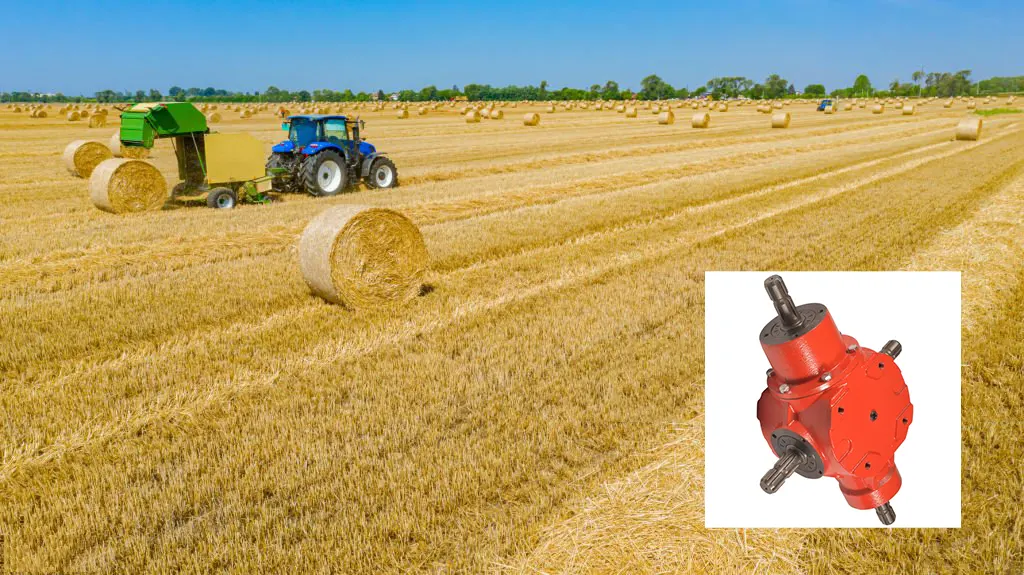
Produsen mesin pertanian Korea yang membangun mesin pengepak jerami untuk penjualan domestik dan ekspor ke Vietnam, Thailand, dan Malaysia menetapkan EP01-672 sebagai gearbox subsistem pengangkat kecepatan standar mereka di kedua konfigurasi rasio. Ukuran kompak 101×101mm terintegrasi ke dalam desain rangka mesin pengepak jerami yang sempit tanpa memerlukan modifikasi struktural; berat 18,5kg cukup ringan untuk pemasangan langsung pada rangka tanpa dukungan bantalan tambahan. Korea Ever-Power memasok pelanggan OEM dengan harga grosir, gambar dimensi untuk desain integrasi, dan alokasi stok khusus untuk EP01-672.
Mengapa Produsen OEM Baler Memilih Korea Ever-Power untuk EP01-672
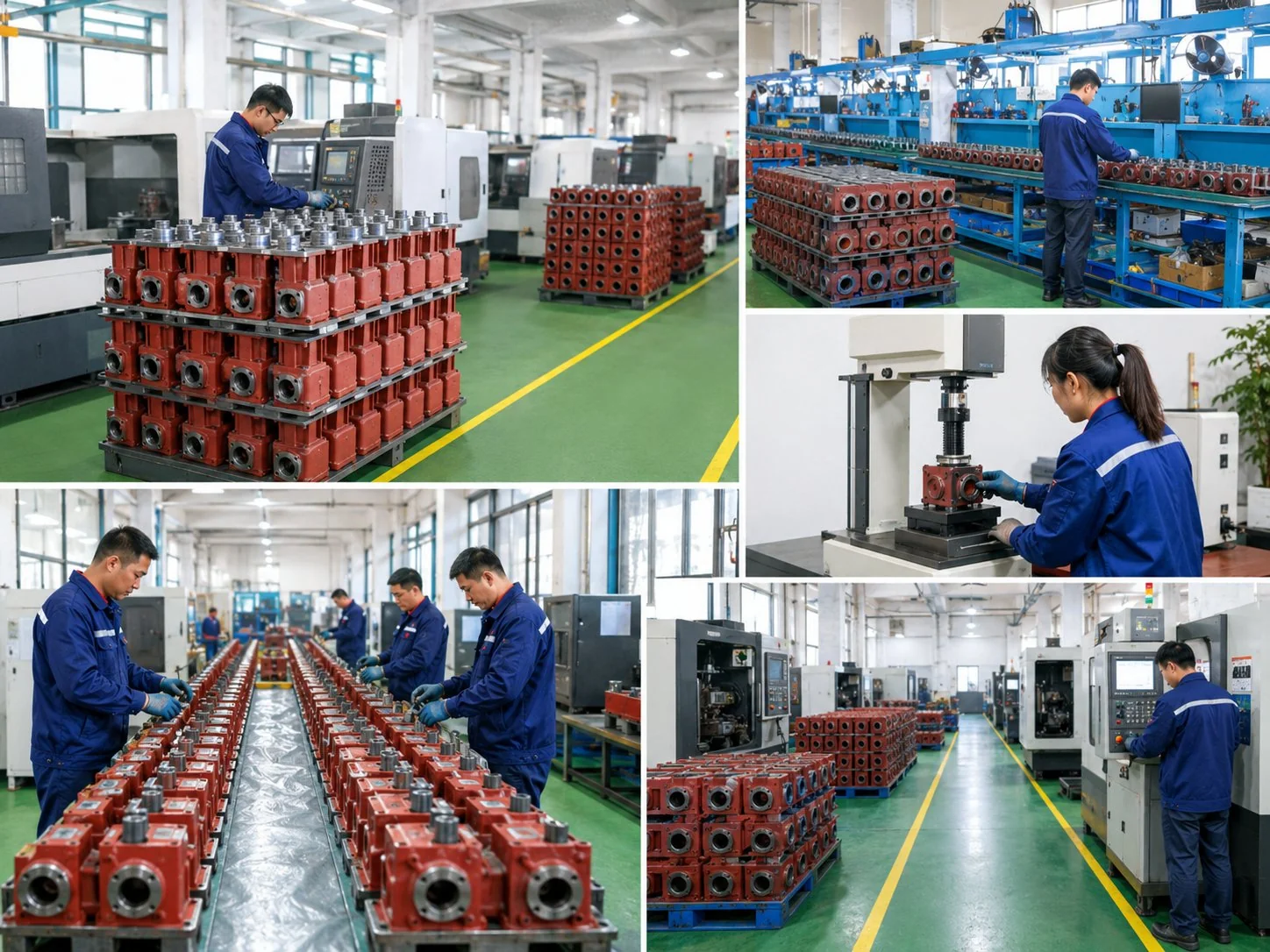
Produksi roda gigi modul non-standar — menggunakan mesin pemotong CNC yang sama seperti seri EP-40002.
Kotak roda gigi pengungkit kecepatan dengan roda gigi modul non-standar (M6.5 dan M5.65) memerlukan kemampuan pemotongan roda gigi CNC yang sama seperti yang digunakan untuk modul yang dirancang khusus di seluruh seri EP. Korea Ever-Power Agricultural Machinery Co., Ltd. Korea Ever-Power memproduksi set roda gigi EP01-672 menggunakan peralatan yang sama dengan yang digunakan untuk roda gigi bevel modul besar EP-40002 dan modul non-standar EP-68° dan EP-9.311 — kemampuan manufaktur yang membedakan Korea Ever-Power dari pemasok yang hanya dapat memproduksi roda gigi modul seri standar.
Bagi produsen OEM mesin pengepak jerami Korea yang membutuhkan pasokan yang andal baik untuk gearbox ruang utama (EP-40002 atau EP-BGB8) maupun penambah kecepatan subsistem (EP01-672) dari satu pemasok, Korea Ever-Power menyediakan pasokan terpadu, manajemen kualitas yang konsisten, dan pengiriman 3–5 hari kerja ke fasilitas produksi Korea — menghilangkan kerumitan mengelola banyak pemasok gearbox untuk posisi penggerak yang berbeda pada mesin yang sama.
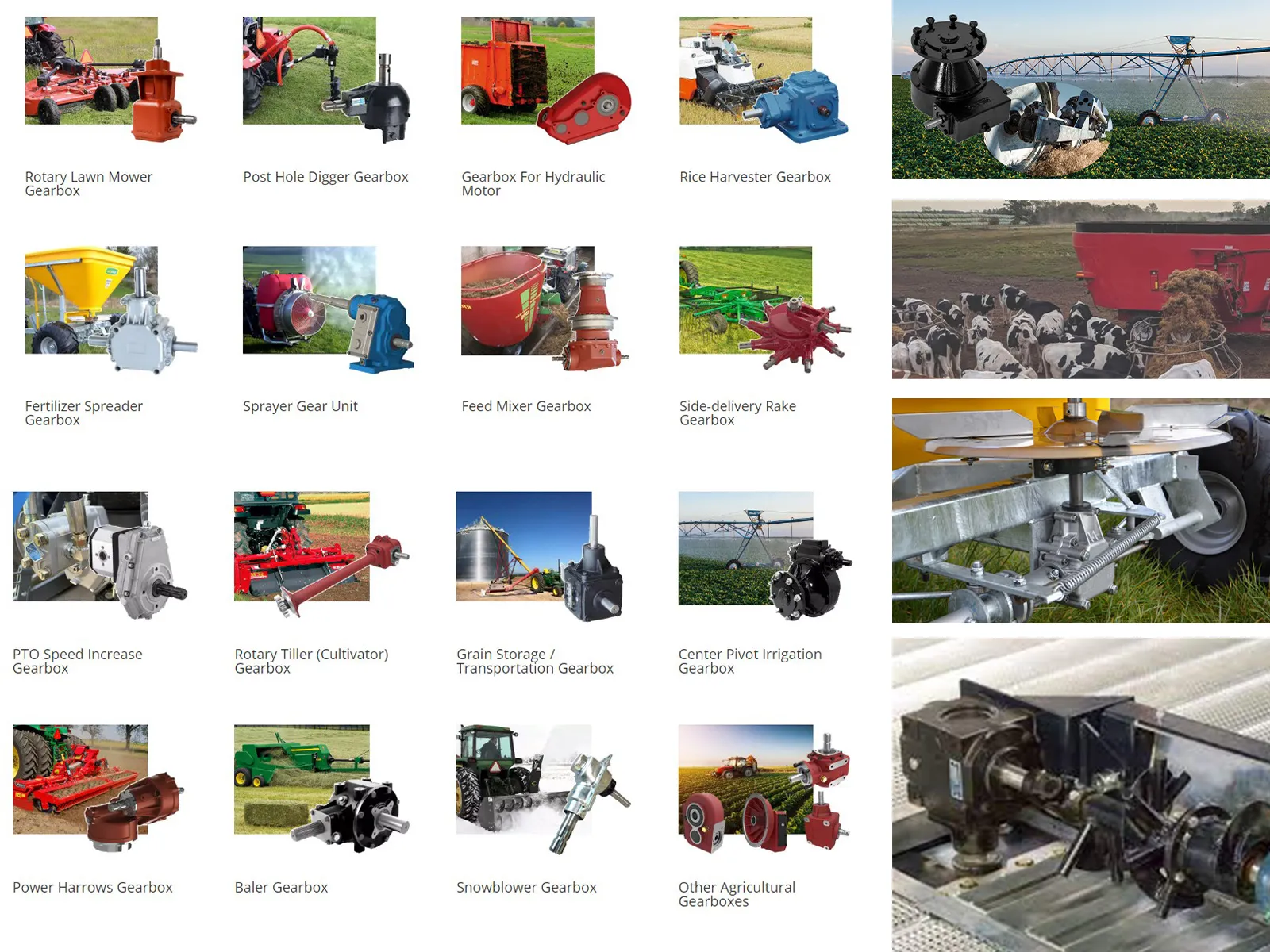
Produk Terkait — Rangkaian Baler EP
Apa Kata Pelanggan Tentang EP01-672
Pertanyaan yang Sering Diajukan — EP01-672
Informasi Tambahan
| Editor | Cxm |
|---|
Produk Terkait
-
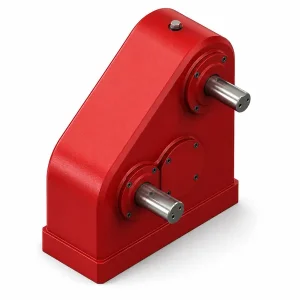
Gearbox Pemulihan Film Residu EP-FRM70 — 40 hingga 70 KW, Reduksi Mode Ganda dan Peningkatan Kecepatan
-
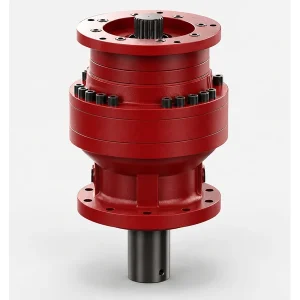
Reducer Gear Planetary EP-PGR60 — 60 KW, Rasio 12,41:1 untuk Penggerak Motor Listrik
-
EP20100.131.00 Gearbox Penggerak Pertanian – 100HP, Reduksi 13:1, 600RPM, Flensa 8 Baut
-
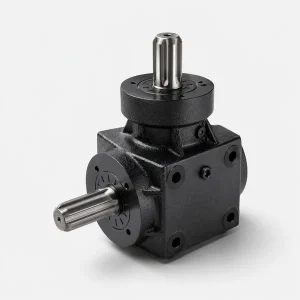
Gearbox Baler Bundar Ringan EP-BGB8 – 30HP, Dua Rasio
-
Hub Bantalan Mesin Pemotong Cakram Putar EP-RTD50 & EP-RTS50 – Varian Poros Kompak & Panjang
-
Gearbox Spindel Mesin Pemotong Rumput Poros Vertikal EP-MDH – MDH-40 (Flensa Persegi) & MDH-65 (Flensa Heksagonal)
-
Gearbox Sudut EP-HC-68 Derajat – 30HP Sudut Poros 68°, Rasio PTO Drive 1:1
-
Gearbox Baler Bundar EP-HC-40002 – Tugas Berat 85HP