Caja de engranajes del husillo de la segadora de eje vertical EP-MDH – MDH-40 (brida cuadrada) y MDH-65 (brida hexagonal)
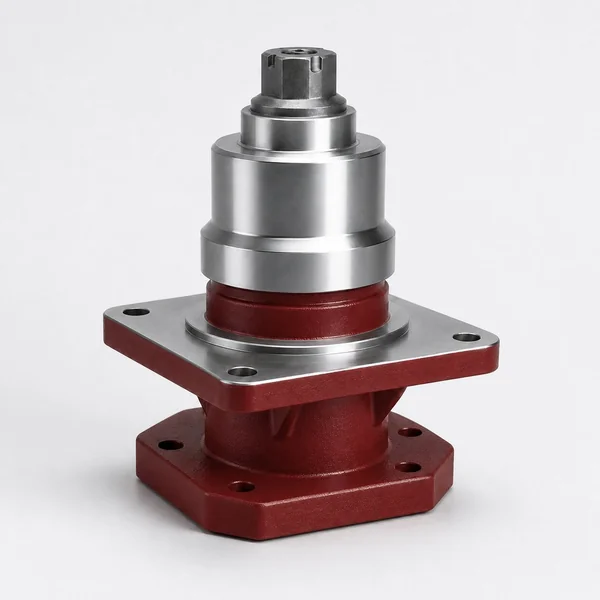
★ El eje que soporta la cuchilla — Cajas de engranajes del cubo de la segadora de eje vertical EP-MDH-40 y EP-MDH-65
El Serie EP-MDH no es una caja de engranajes de entrada de toma de fuerza, es la cubo del husillo de accionamiento de la cuchilla que se encuentra entre la placa de la plataforma de corte de discos y el conjunto de cuchillas giratorias. El EP-MDH-40 utiliza un brida cuadrada de 4 pernos (centros de pernos de 178×178 mm) para un montaje atornillado sencillo en la placa de la plataforma de corte. El EP-MDH-65 utiliza un brida hexagonal de seis pernos (Φ250 mm exterior, círculo de pernos de Φ139,7 mm) para aplicaciones de carga más alta y plataformas de corte que requieren una mayor distancia entre cojinetes. Ambas unidades reciben el accionamiento rotacional del sistema de transmisión cónica de eje transversal interno de la plataforma de corte y lo transmiten hacia abajo a través del husillo vertical al soporte de la cuchilla, el enlace estructural y mecánico crítico en el sistema de corte de cada segadora de discos. Korea Ever-Power suministra la serie EP-MDH a fabricantes de equipos originales de segadoras de discos, fabricantes de plataformas de corte y talleres de maquinaria agrícola en Corea del Sur, Japón y la región de Asia-Pacífico.
¿Qué es una caja de engranajes del husillo de una segadora y en qué se diferencia de una caja de engranajes de la toma de fuerza (PTO)?
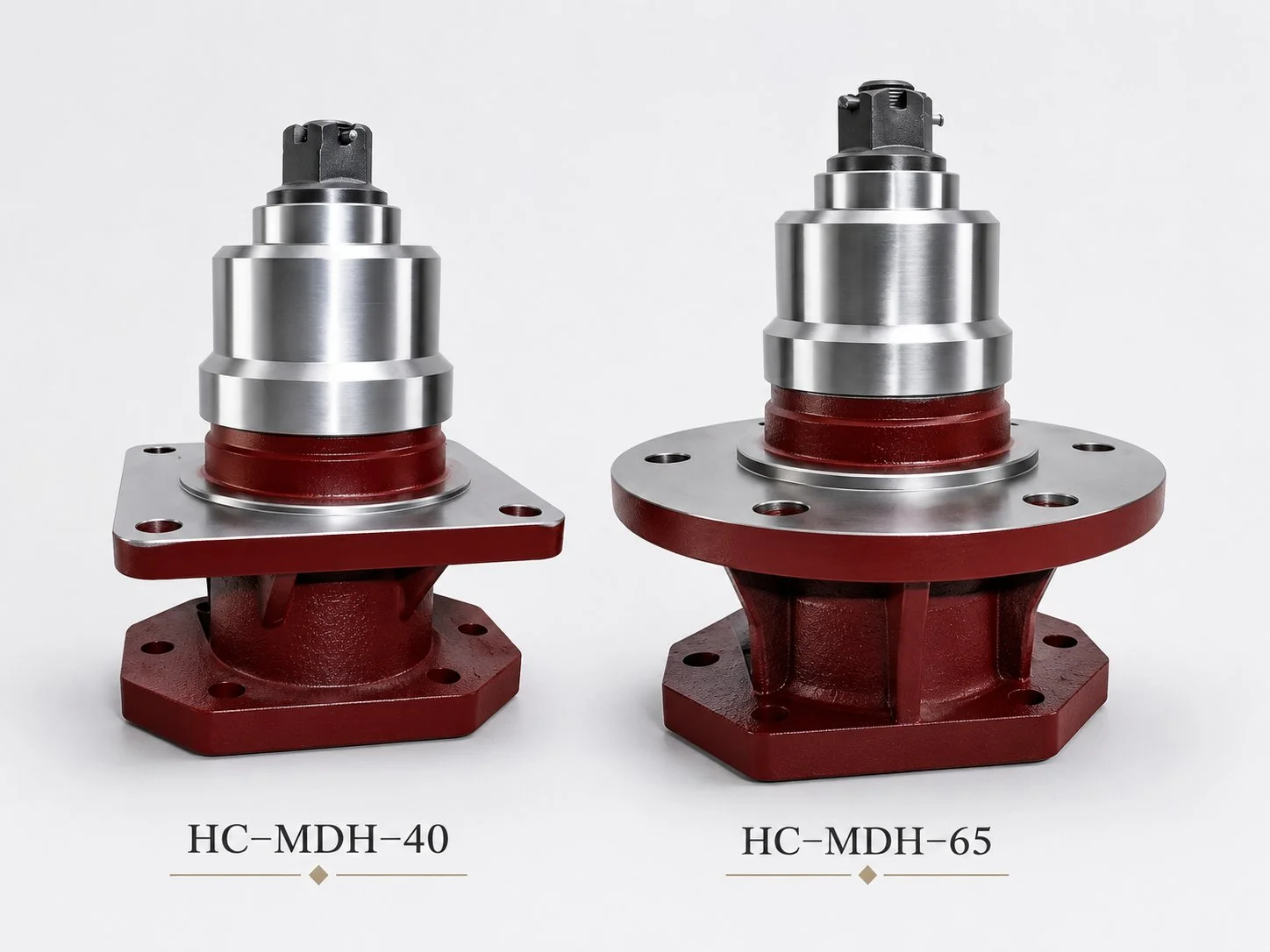
EP-MDH-40 (izquierda) · EP-MDH-65 (derecha) · Unidades de cubo de husillo vertical
La mayoría de las discusiones sobre cajas de engranajes agrícolas se centran en la caja de engranajes de entrada de la toma de fuerza (PTO), la unidad que recibe potencia del tractor y la redirige al implemento. La serie EP-MDH desempeña un papel diferente en la cadena de transmisión de la segadora. Es la cubo del husillo: el conjunto de cojinete y carcasa que se ubica en cada posición de la cuchilla en la plataforma de corte, soportando el eje vertical de la cuchilla contra las cargas centrífugas, el arrastre de la hierba y el contacto ocasional con el suelo que se producen durante la operación de corte.
En una plataforma de corte multidisco típica, la potencia fluye desde la toma de fuerza del tractor a través de una caja de engranajes de entrada primaria (como la serie EP-LF205 o EP-RC31), y luego lateralmente a través del eje transversal interno de la plataforma —una serie de engranajes cónicos o transmisiones por correa que recorren toda su longitud— hasta cada disco. En cada disco, una caja de engranajes de husillo, como la EP-MDH-40 o la EP-MDH-65, recibe la potencia lateral y la convierte en rotación vertical para la cuchilla. La unidad de husillo debe, simultáneamente: transmitir el par motor a la cuchilla, soportar el peso de la cuchilla y la carga radial centrífuga sobre sus cojinetes, y mantener la altura de la cuchilla con precisión gracias a la rigidez estructural de su brida de montaje.
Los modelos EP-MDH-40 y EP-MDH-65 se diferencian principalmente en el tamaño de su brida y su capacidad de carga. La brida cuadrada de 4 pernos del EP-MDH-40 es ideal para plataformas de corte compactas con placas estructurales más delgadas, donde el patrón de pernos cuadrados proporciona una sujeción uniforme en todo el panel de la plataforma. La brida hexagonal de 6 pernos, más grande, del EP-MDH-65 distribuye la carga de la cuchilla en una superficie más amplia, lo que la hace apropiada para plataformas de corte más anchas y robustas, y para aplicaciones donde se prevén mayores cargas de impacto o en la punta de la cuchilla, como cortar especies de césped más densas, cortar en terrenos irregulares o trabajar a las velocidades de cuchilla más altas que se utilizan en algunos diseños de segadoras multidisco de estilo europeo.
Distinción importante: Las unidades de la serie EP-MDH no tienen una entrada de toma de fuerza (PTO) independiente; se accionan mediante el sistema de eje transversal interno de la plataforma de corte. Al realizar su pedido, confirme si su plataforma de corte utiliza un perfil de entrada de eje transversal compatible que se acople con el receptáculo superior del husillo EP-MDH. Korea Ever-Power puede proporcionarle planos dimensionales del receptáculo superior para que pueda verificarlo con la salida del eje transversal de su plataforma antes de realizar el pedido.
Especificaciones técnicas: EP-MDH-40 frente a EP-MDH-65
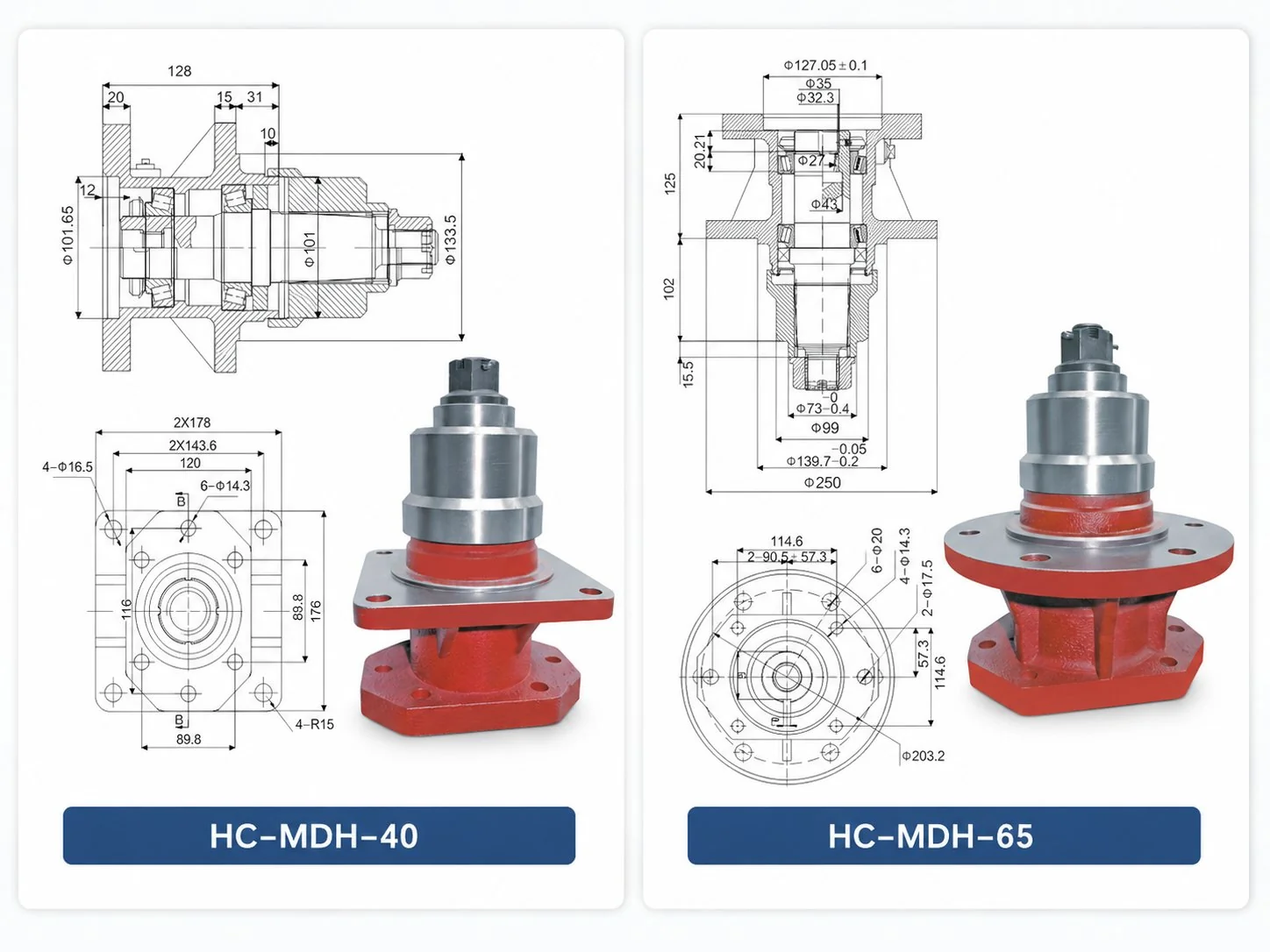
A diferencia de las cajas de engranajes de entrada de la toma de fuerza, las unidades de husillo de la segadora no se caracterizan por la potencia nominal ni por la relación de velocidad; se especifican por su dimensiones de la brida de montaje, geometría del orificio del cubo, dimensiones del eje del husillo, y capacidad de cargaLa tabla que aparece a continuación presenta los parámetros dimensionales clave extraídos de los planos de ingeniería oficiales para ambos modelos EP-MDH.
| Parámetro | EP-MDH-40 | EP-MDH-65 |
|---|---|---|
| Tipo brida | Cuadrado de 4 pernos | Hexagonal de 6 pernos |
| Círculo de pernos de brida | 2×178 mm (centros cuadrados) | PCD de Φ139,7 mm |
| Diámetro exterior de la brida | Diámetro exterior del buje: Φ101,55 mm | Φ250 mm exterior |
| Número de pernos | 4× Φ18,5 mm + 6× Φ14,3 mm | 6× Φ20mm + 2× Φ17,5mm |
| Diámetro exterior del cubo del husillo | Φ133,5 mm ×2 (escalonado) | Φ99 mm |
| Diámetro del husillo (accionamiento superior) | Φ35,5 mm ×2 | Φ41 mm |
| Diámetro exterior del eje de la cuchilla inferior | Φ32 mm (según el dibujo) | Φ27 mm / Φ32 mm (escalonado) |
| Altura de la vivienda | ≈ 170 mm | 125 mm + 102 mm (dos secciones) |
| Material de la carcasa | Hierro fundido nodular (GGG50) — ambos modelos | |
| Distancia entre placas de montaje | Cara de brida de 128 mm × 89,8 mm | Cara de brida de Φ250 mm |
| Aplicación principal | Cortacéspedes de discos compactos, espesor de placa de plataforma estándar | Cortadoras de discos anchas/de alta resistencia, posiciones de cuchillas de alta carga |
La lectura de los planos de ingeniería de ambos modelos revela la lógica estructural fundamental del diseño del husillo de la segadora. Ambas unidades EP-MDH utilizan un disposición de doble cojinete — Cojinetes superior e inferior separados por la altura total de la carcasa — para gestionar los momentos flectores impuestos por el conjunto de la pala giratoria. Un solo cojinete no puede sujetar adecuadamente el eje de la pala bajo carga lateral: la fuerza centrífuga de la pala giratoria crea un momento giroscópico que tiende a inclinar el eje con respecto a la vertical, y esta inclinación debe ser contrarrestada por un par de momentos, lo que requiere dos cojinetes separados por una distancia significativa.
La carcasa de dos secciones del EP-MDH-65 (125 mm superior + 102 mm inferior) proporciona una distancia entre apoyos efectiva de aproximadamente 200 mm, significativamente mayor que la altura de sección única de ~170 mm del EP-MDH-40. Esta mayor distancia entre apoyos reduce la fuerza radial sobre cada apoyo individual para el mismo momento de la cuchilla, lo que prolonga la vida útil de los apoyos y reduce el intervalo de mantenimiento en plataformas de corte de alta resistencia donde las cargas de la cuchilla son mayores. El diámetro exterior de Φ250 mm de la brida hexagonal aumenta aún más el momento de resistencia en la interfaz de montaje de la placa de la plataforma, evitando el desgaste por fricción en la cara de la brida que puede desarrollarse en ejes de brida más pequeños montados en estructuras de placa de plataforma flexibles.
La cadena de transmisión de la segadora de discos: dónde encaja el EP-MDH
Comprender la posición del eje EP-MDH en la cadena de transmisión completa de la segadora de discos ayuda a confirmar si es el componente que necesita reemplazar o especificar:
Cuando uno de los discos deja de girar o lo hace a velocidad reducida, la falla puede estar en la caja de engranajes de entrada principal, el eje transversal o el husillo EP-MDH. El husillo suele ser el primer componente en mostrar desgaste, ya que opera a la velocidad de rotación más alta y está expuesto directamente a las cargas de contacto con el suelo. Korea Ever-Power suministra la serie EP-MDH como unidades de husillo de repuesto directo, la categoría de reparación de plataformas de corte más común en los talleres agrícolas coreanos y japoneses.
EP-MDH-40 vs EP-MDH-65: Cómo elegir el husillo adecuado para la plataforma de su cortacésped.
La elección entre EP-MDH-40 y EP-MDH-65 viene determinada por las dimensiones de montaje del eje de la plataforma de corte y los requisitos de carga de la cuchilla para la aplicación. Aquí tiene una guía práctica:
Antes de realizar el pedido: Mida el diámetro del círculo de pernos, la cantidad de pernos y el diámetro exterior del cubo del husillo de su plataforma de corte actual. No asuma que se trata de EP-MDH-40 o EP-MDH-65 basándose únicamente en la inspección visual; ambos modelos no son intercambiables en una misma plataforma de corte. Envíe las medidas o el número de modelo del husillo original a Korea Ever-Power y le confirmaremos la variante EP-MDH correcta antes de que realice su pedido.
Calidad de construcción: qué hace que una caja de engranajes del husillo dure en el servicio de una segadora de discos.
Carcasa de hierro nodular GGG50
La carcasa debe resistir las cargas de impacto intermitentes que se producen al contacto de la cuchilla con el suelo, inevitables en las operaciones de siega en terrenos irregulares. El hierro dúctil GGG50 absorbe estas cargas máximas mediante microdeformación en lugar de fractura, el mismo material y la misma razón que se utiliza en todas las cajas de engranajes agrícolas de la serie HC/EP. Una carcasa de hierro gris o de acero fabricado sería frágil bajo estas condiciones de impacto.
Juego de rodamientos dobles precargados
Ambos modelos EP-MDH utilizan conjuntos de cojinetes superior e inferior con precarga definida para gestionar la combinación de cargas radiales (centrífugas de la pala) y axiales (por el peso de la pala). La precarga de los cojinetes se ajusta durante el montaje y se verifica en rotación antes del envío. Una precarga demasiado baja permite que el husillo oscile a la velocidad de la pala; una precarga demasiado alta provoca el sobrecalentamiento de los cojinetes y el desgaste prematuro de las pistas de rodadura.
Cara de brida rectificada con precisión
La superficie de contacto entre la brida EP-MDH y la placa de la plataforma de corte está rectificada con tolerancias de planitud que garantizan que el eje del husillo sea perfectamente perpendicular a la superficie de la placa. Una brida que no esté plana provoca que el husillo gire ligeramente inclinado con respecto a la vertical, produciendo la vibración oscilante característica —que a menudo se percibe como un zumbido a la altura de la plataforma— que indica una desalineación del husillo en las segadoras de discos.
Sellado resistente a la hierba y a los residuos
Los husillos de las segadoras de discos operan a nivel del suelo, en la zona más contaminada de cualquier componente de transmisión agrícola: hierba cortada, tierra, residuos de cultivos y piedras entran en contacto con el eje inferior y la carcasa del husillo. El diseño de sellado EP-MDH utiliza retenes labiales reforzados en la salida del eje inferior, con un anillo rascador delante del labio del retén principal para desviar las fibras de hierba que, de otro modo, se enredarían alrededor del eje y se filtrarían a través del retén.
Eje de husillo endurecido
El eje del husillo de la cuchilla vertical está endurecido superficialmente en las zonas de contacto con los cojinetes y en el área de montaje del soporte de la cuchilla. El endurecimiento se aplica específicamente a los puntos de desgaste por fricción: aquellos donde las abrazaderas del soporte de la cuchilla, las chavetas de bloqueo del soporte y las pistas interiores de los cojinetes entran en contacto con la superficie del eje durante miles de horas de funcionamiento. El desgaste por fricción en estos puntos es el principal mecanismo de desgaste del eje del husillo en las segadoras.
Prueba de rotación antes del envío
Cada unidad EP-MDH se somete a pruebas de rotación bajo carga antes del embalaje para verificar la precarga de los rodamientos, la integridad del sello y la excentricidad del eje. La excentricidad se comprueba con un comparador de cuadrante en el asiento inferior del portacuchillas; cualquier unidad que muestre una lectura total del indicador superior a 0,05 mm se reacondiciona antes de su envío. Los portacuchillas montados en un husillo descentrado producen vibraciones que reducen la vida útil de los pernos del portacuchillas y amplifican la carga de impacto de la cuchilla.
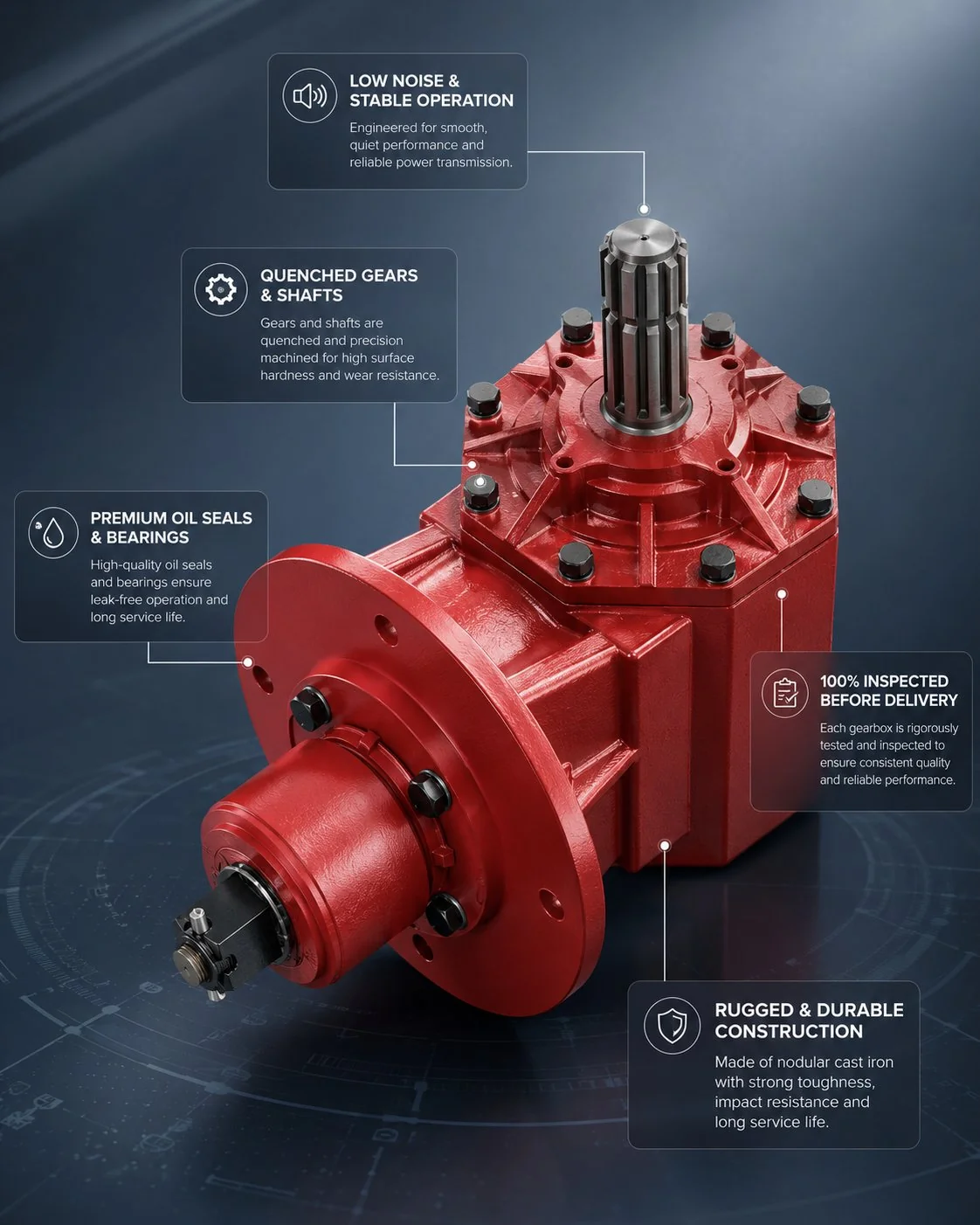
Aplicaciones de los husillos EP-MDH en segadoras de discos en Corea y Asia.
🌿 Plataformas de corte de discos para heno y forraje — Corea y Japón
Las segadoras acondicionadoras multidisco utilizadas en la producción de forraje en Gangwon (Corea) y en la ganadería lechera en Hokkaido (Japón) suelen tener entre 4 y 6 posiciones de disco con un ancho de trabajo de 1,8 a 2,5 m. Cada posición de disco utiliza un husillo EP-MDH-65 (o equivalente); la mayor distancia entre cojinetes y la brida hexagonal son características estándar de los diseños de segadoras acondicionadoras de origen europeo, que se han convertido en la plataforma de referencia para los equipos de forraje coreanos y japoneses. El uso intensivo de estas máquinas (de 3 a 5 siegas por temporada, de 8 a 10 horas diarias) implica que los intervalos de reemplazo del husillo se miden en temporadas, no en años, lo que hace que el suministro confiable de repuestos de Korea Ever-Power sea fundamental para la gestión de los costos operativos.
🍎 Cortacéspedes de discos compactos para huertos y viñedos — Corea y Japón
Las segadoras de discos compactas utilizadas en huertos coreanos de manzanas, peras y cítricos, así como en los viñedos japoneses, suelen tener de dos a tres posiciones de disco con un ancho de trabajo de entre 1,0 y 1,5 m. La brida cuadrada y el tamaño reducido de la EP-MDH-40 se adaptan a los diseños compactos de las plataformas de corte de estas máquinas, donde el ancho total de la plataforma está limitado por la distancia entre hileras de árboles y la segadora debe caber entre los paneles de protección de la zona radicular. En la región vitivinícola de Yamanashi, en Japón, donde la distancia entre hileras es de tan solo 1,2 m, el perfil compacto del husillo de la EP-MDH-40 es un requisito dimensional, no solo una preferencia.
🚧 Mantenimiento de segadoras de discos para carreteras y municipios — Corea
Los departamentos municipales de mantenimiento de carreteras y los contratistas de gestión de autopistas coreanos que utilizan segadoras multidisco en los arcenes se enfrentan a un elevado desgaste del husillo debido a las piedras, los escombros y el terreno irregular típicos de este tipo de trabajo. La serie EP-MDH —en concreto, la EP-MDH-65 para maquinaria pesada de arcén— es un repuesto habitual en los talleres de reparación de maquinaria agrícola coreanos que prestan servicio a contratos municipales. El plazo de entrega de 3 a 5 días desde Korea Ever-Power resulta especialmente valioso en este contexto, ya que una plataforma de corte con el husillo averiado queda completamente inoperativa y retrasa los programas de mantenimiento de carreteras.
🏭 Fabricación de segadoras de discos OEM — Corea y el sudeste asiático
Los fabricantes coreanos de maquinaria agrícola en las zonas industriales de Gyeongnam y Gyeongbuk, que fabrican segadoras para el mercado nacional y la exportación al sudeste asiático, utilizan la serie EP-MDH como su cubo de husillo estándar. La compatibilidad dimensional con los estándares europeos de diseño de plataformas de corte (los mismos patrones de pernos y valores de diámetro exterior del cubo que se usan en las segadoras de discos Krone, Claas y New Holland) permite a los fabricantes coreanos de equipos originales (OEM) construir máquinas compatibles con los equipos europeos que ya operan en sus mercados de exportación. Korea Ever-Power ofrece a sus clientes OEM precios por volumen, certificación dimensional y espacios de producción exclusivos para la serie EP-MDH.
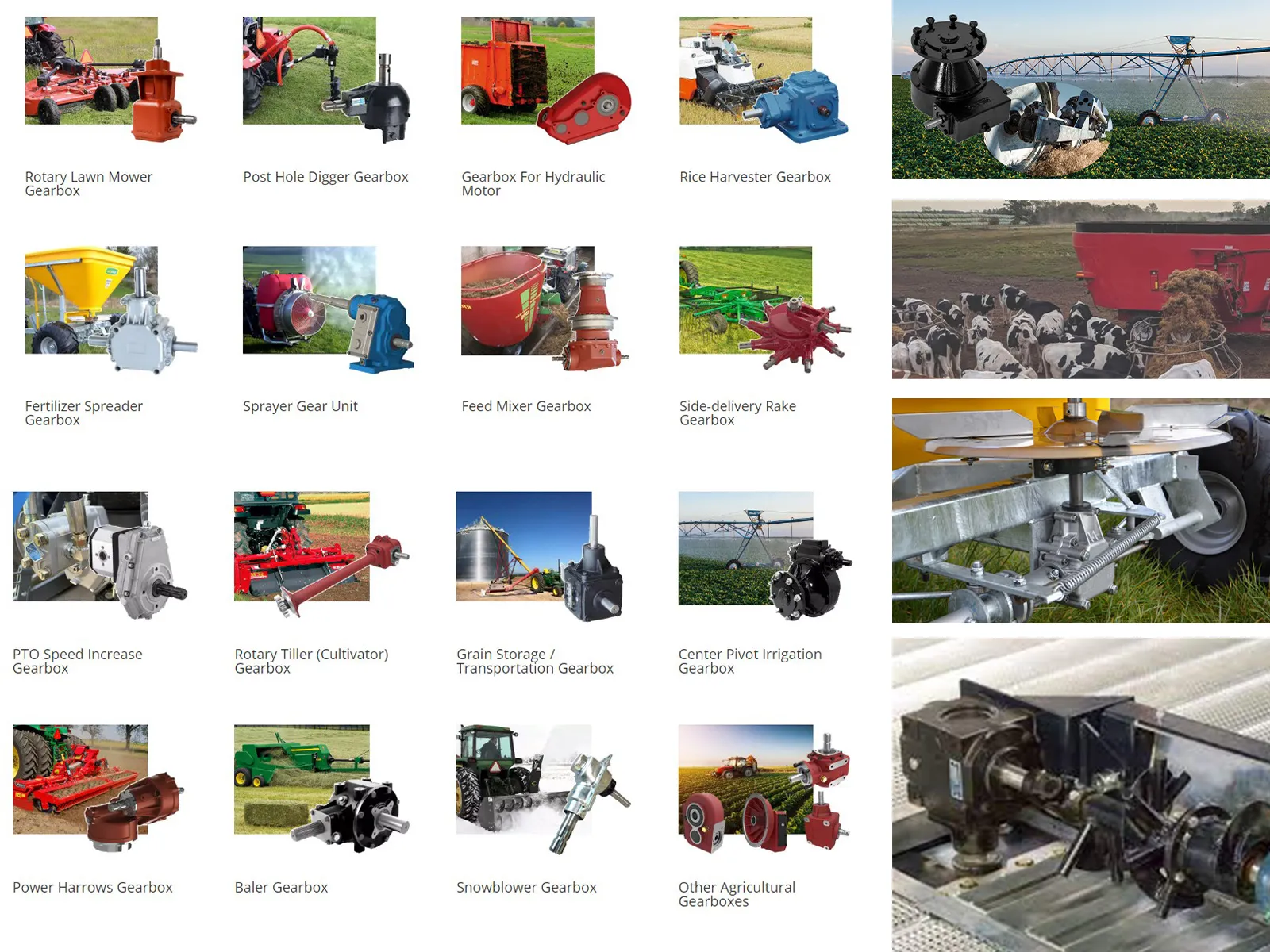
Mantenimiento y reemplazo del husillo: cómo saber cuándo actuar.
A diferencia de las cajas de engranajes de la toma de fuerza, que fallan repentinamente, los husillos de la plataforma de corte suelen degradarse progresivamente. Reconocer las señales de alerta temprana y actuar antes de que se produzca una falla catastrófica evita daños secundarios en el soporte de la cuchilla, la placa de la plataforma y los husillos adyacentes.
⚠️ Vibración excesiva a velocidad de disco
Un nivel de vibración nuevo o aceptable que aumenta a lo largo de la temporada indica que se está desarrollando holgura en los cojinetes. Para comprobarlo, sujete el disco (con la máquina detenida y completamente aislada) y muévalo lateralmente: un movimiento del eje superior a 1-2 mm en el soporte de la cuchilla indica holgura en los cojinetes y requiere el reemplazo inmediato del husillo.
⚠️ Fuga de aceite en la salida del pozo inferior
La presencia de aceite visible en la parte exterior de la carcasa del husillo, debajo de la placa de la plataforma, indica una falla en el sello inferior. El funcionamiento continuo con un sello que gotea permite que las fibras de hierba entren en el rodamiento a través del sello dañado, acelerando el desgaste abrasivo en la pista inferior del rodamiento. Reemplace el sello o el husillo completo si la falla del sello ha estado presente durante más de unas pocas horas de funcionamiento.
⚠️ Ruido de traqueteo o rechinido a baja velocidad
Accione la toma de fuerza (PTO) a baja velocidad y escuche un sonido áspero y cíclico proveniente de una posición específica del disco; este es el ruido característico de los rodamientos debido a daños o contaminación en la pista de rodadura. A menudo desaparece a máxima velocidad, ya que la zona dañada gira demasiado rápido para producir la frecuencia audible; este efecto de enmascaramiento hace que muchos operadores subestimen la gravedad del problema.
📋 Intervalo de inspección rutinaria
Compruebe la holgura del eje y el estado de la boquilla de engrase cada 50 horas de funcionamiento. Engrase el eje en cada revisión de 50 horas con grasa de complejo de litio NLGI n.° 2; la ubicación de la boquilla de engrase varía según el modelo. Al inicio de cada temporada, retire los soportes de las cuchillas e inspeccione el eje inferior para detectar marcas de desgaste por fricción en la ranura de la chaveta del soporte y la ranura del anillo de bloqueo.
¿Por qué los fabricantes y talleres de segadoras de discos eligen Korea Ever-Power?
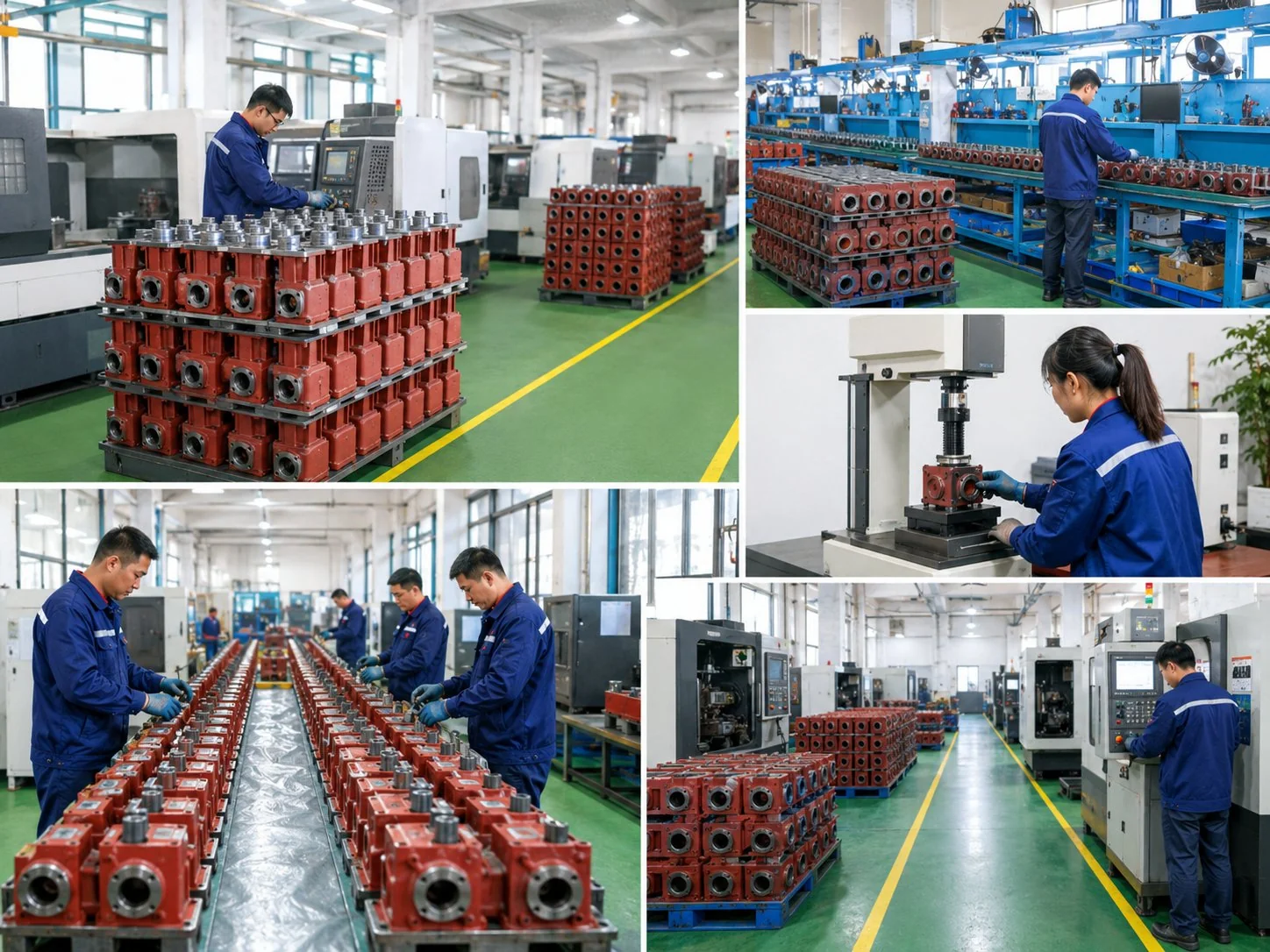
Mecanizado de precisión de asientos de cojinetes: línea de producción de husillos para segadoras
La fabricación de un husillo para segadora de discos con las tolerancias que determinan la uniformidad de la altura de la cuchilla y la vida útil del rodamiento requiere una capacidad de mecanizado de precisión que va más allá de la producción estándar de cajas de engranajes agrícolas. Korea Ever-Power Agricultural Machinery Co., Ltd.Los equipos de torneado y rectificado CNC de la empresa se encargan de la redondez del eje del husillo, la planitud de la cara de la brida y las tolerancias del asiento del cojinete de la serie EP-MDH en la misma planta de producción que las cajas de engranajes cónicos de la serie HC, de mayor tamaño, utilizando el mismo flujo de trabajo de gestión de calidad y el mismo procedimiento de prueba final de inspección 100%.
Para los talleres de maquinaria agrícola coreanos y japoneses, el plazo de entrega de 3 a 5 días desde los almacenes regionales de Korea Ever-Power evita que una avería en el husillo provoque varias semanas de inactividad de la máquina. Se aceptan pedidos de una sola unidad sin cantidad mínima, lo que hace que la serie EP-MDH sea accesible tanto para pequeños talleres de reparación y agricultores individuales como para clientes de producción OEM. Se prepara la documentación de exportación completa para cada envío, lo que facilita el despacho de aduanas en toda la región de Asia-Pacífico.
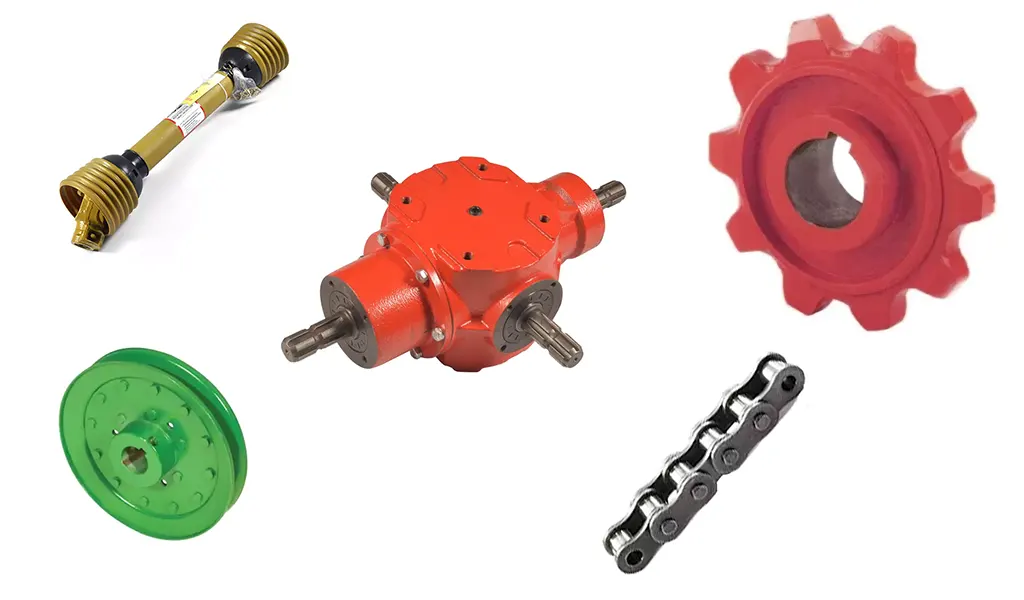
Complete su sistema de transmisión para segadora de discos.
El husillo EP-MDH es un componente de la cadena de transmisión completa de la segadora de discos. Korea Ever-Power suministra componentes compatibles para las demás etapas:
Lo que dicen los clientes sobre la serie EP-MDH
Preguntas frecuentes — Serie de husillos para segadoras EP-MDH
Información adicional
| Editor | Cxm |
|---|
Productos relacionados
-
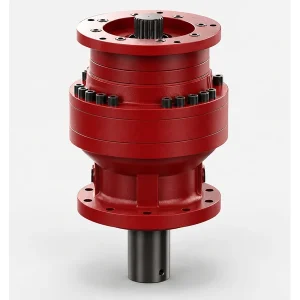
Reductor de engranajes planetarios EP-PGR60 — 60 kW, relación 12,41:1 para accionamiento de motor eléctrico
-
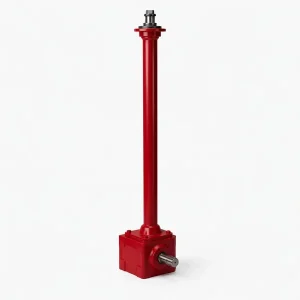
Caja de engranajes de transmisión agrícola EP20100.131.00 – 100 CV, reducción 13:1, 600 RPM, brida de 8 pernos
-
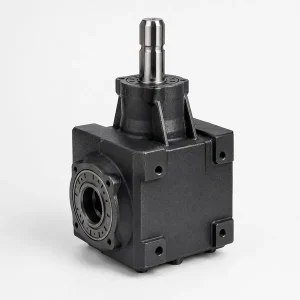
Caja de engranajes multiplicadora de velocidad para empacadora EP01-672 – 50 HP, relación doble 1,92:1 y 1,47:1
-
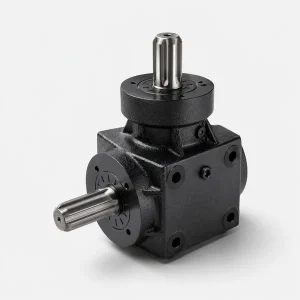
Caja de cambios para empacadora ligera de balas redondas EP-BGB8 – 30 CV, dos relaciones
-
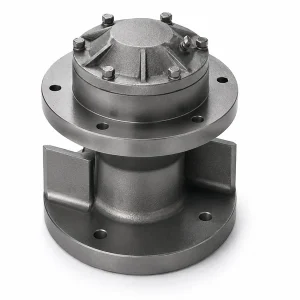
Cubo de cojinete para segadora de discos rotativa EP-RTD50 y EP-RTS50: variantes de eje compacto y extendido.
-
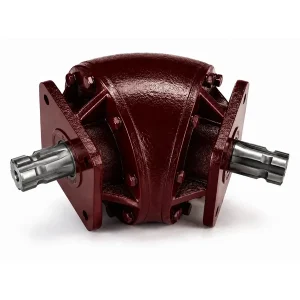
Caja de engranajes para esparcidor de fertilizante EP-AG135 – 50 HP, doble salida de 45°, accionamiento de doble disco
-
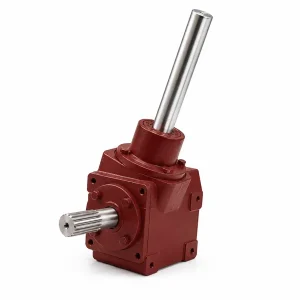
Caja de engranajes de ángulo EP-HC-68 grados – 30 HP, ángulo de eje de 68°, transmisión de toma de fuerza con relación 1:1
-
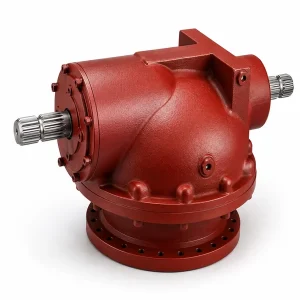
Caja de engranajes para empacadora de balas redondas EP-HC-40002 – 85 HP, servicio pesado